Magnesium: The Mighty Mineral for a Healthy Body
When it comes to maintaining good health, most people tend to focus on getting enough of the macronutrients like protein, carbohydrates, and fats. However, micronutrients such as vitamins and minerals are just as essential for a healthy body. One mineral that often gets overlooked but is vital for numerous bodily functions is magnesium.
In this article, we will explore what magnesium is, why it’s important for our health, how much we need daily and where can we get it from.
What is Magnesium?
Magnesium is a naturally occurring mineral that plays a crucial role in the proper functioning of many systems in our body. It’s involved in more than 300 enzymatic reactions that regulate various biochemical processes in our body.
Our bodies cannot produce magnesium; hence it must be obtained through diet or supplements. Magnesium exists in different forms such as magnesium oxide, citrate chelate and glycinate among others.
Why Is Magnesium Important For Our Health?
1) Maintains Bone Health: About 60% of the body’s total magnesium content resides in the bones. Therefore it makes sense that adequate intake of this mineral can help maintain bone density and prevent osteoporosis.
2) Helps Regulate Blood Sugar Levels: Magnesium helps regulate insulin sensitivity by improving glucose uptake into cells which results in better blood sugar control. This helps reduce the risk of type 2 diabetes.
3) Supports Cardiovascular Health: Adequate levels of magnesium have been linked with lower blood pressure levels and reduced risks of heart disease.
4) Eases Anxiety And Stress: Low levels of magnesium have been associated with increased anxiety symptoms; therefore supplementation may help alleviate these symptoms.
5) Aids In Muscle Function And Recovery: Magnesium plays an essential role in muscle contraction and relaxation; hence athletes require higher amounts to support their intense workouts. Proper hydration along with sufficient intake can also help reduce muscle cramps and soreness.
Recommended Daily Intake of Magnesium
The recommended daily intake (RDI) of magnesium varies by age, gender, and lifestyle factors such as pregnancy or lactation. Here is a breakdown:
– Adult men: 400-420mg
– Adult women: 310-320mg
– Pregnant women: 350mg
– Lactating women: 310-360mg
It’s important to note that athletes may require higher amounts due to increased sweat loss during exercise.
Food Sources of Magnesium
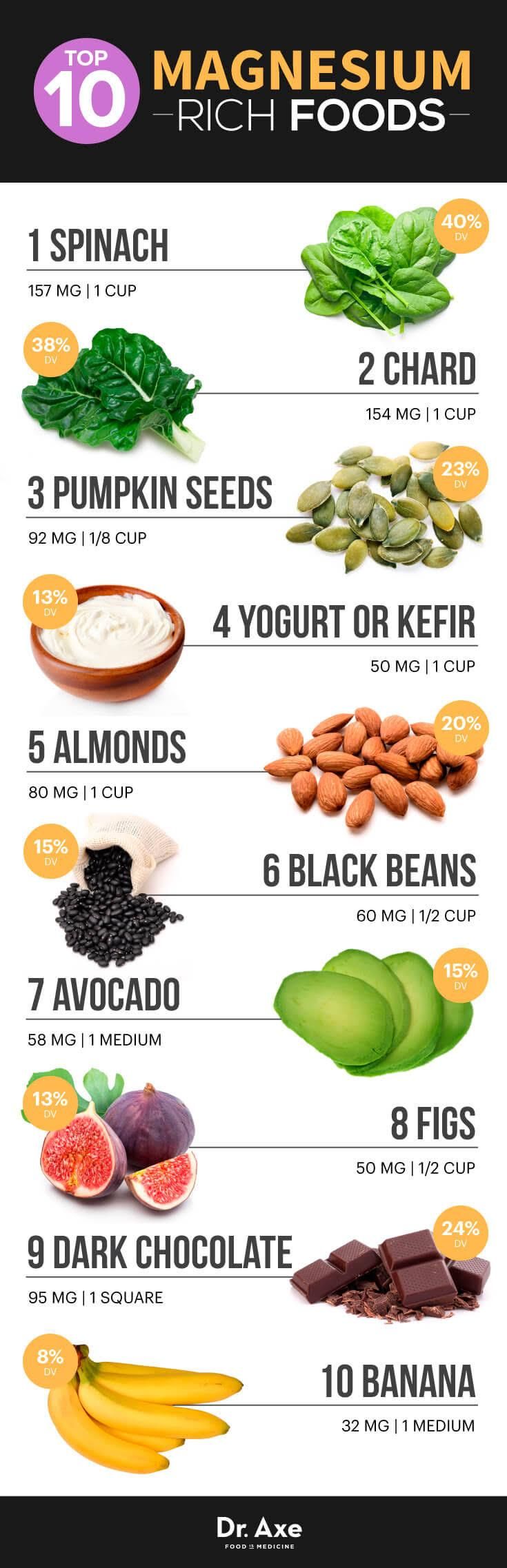
Magnesium can be found in several food sources. Here are some foods rich in magnesium:
1) Leafy Greens: Spinach, kale, and collard greens are excellent sources of magnesium.
2) Nuts And Seeds: Almonds, cashews, pumpkin seeds and chia seeds contain significant amounts of magnesium.
3) Whole Grains: Brown rice, quinoa, oats and whole wheat bread are good sources too.
4) Legumes: Black beans, lentils and chickpeas are good vegetarian options too.
5) Seafood And Meat: Salmon, halibut and chicken breast also provide decent amounts of this mineral.
Supplements
In cases where dietary intake is not sufficient enough; supplements can be taken. There are several forms available like tablets or capsules which contain different types of magnesium compounds. It’s essential to consult a doctor before taking any supplements if you have pre-existing medical conditions or taking prescription medication as they may interact with each other leading to adverse effects on health.
Conclusion
From maintaining bone health to supporting cardiovascular function; it’s clear that adequate intake of magnesium plays an essential role in overall health. With the variety of food options available along with supplementation where necessary; ensuring our bodies get enough magnesium should be relatively easy for most people.
Adding more leafy green veggies into salads or snacking on nuts/seeds between meals are easy ways to increase intake. By making small changes in our diets, we can reap the benefits of this mighty mineral for optimal health.

Leave a Reply