Panel Discussion: Gluten-free
Moderator: Welcome to our panel discussion on gluten-free. Today we have a group of experts with us who will be sharing their knowledge and opinions on this topic. Let me introduce our panelists.
Panelist 1: Hi, I am a registered dietitian and nutritionist.
Panelist 2: Hello, I am a chef specializing in gluten-free cuisine.
Panelist 3: Hi, I am a food scientist and researcher studying the effects of gluten on health.
Moderator: Thank you for being here today. So let’s start with the basics – what is gluten?
Panelist 1: Gluten is a protein found in wheat, barley, rye, and other grains. It gives dough its elasticity and helps it rise during baking.
Moderator: Why has there been such an increase in people adopting a gluten-free diet?
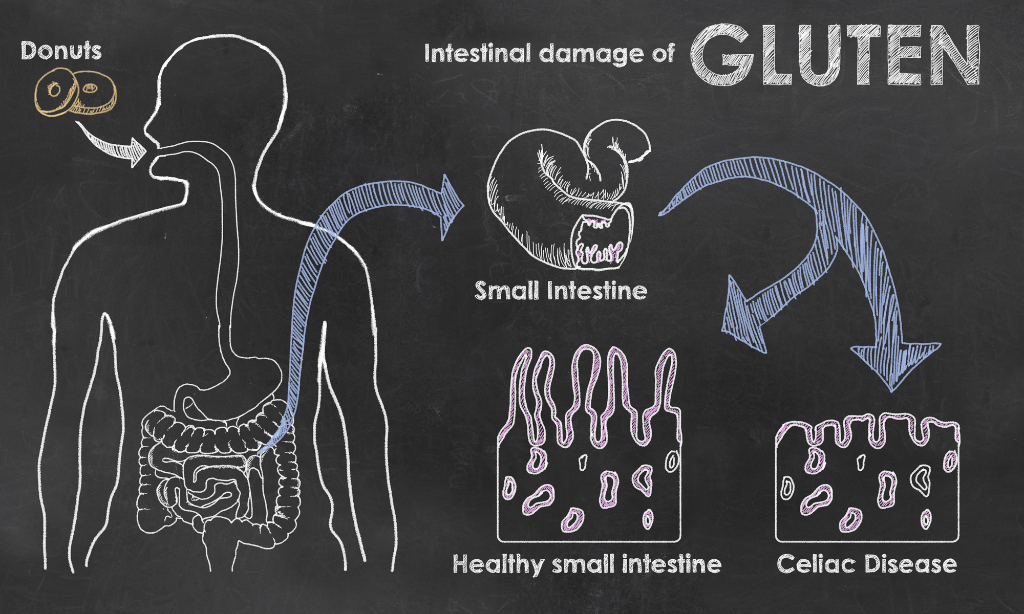
Panelist 2: There are several reasons why people may choose to go gluten-free. Some have celiac disease or non-celiac gluten sensitivity, which means they cannot digest gluten properly and may experience symptoms like abdominal pain, bloating, diarrhea or fatigue after consuming it. Others believe that avoiding gluten can lead to weight loss or improve overall health because they associate it with inflammation-related conditions like arthritis or skin problems.
Panelist 3: However, there is little scientific evidence to support these claims about reducing inflammation outside of those who suffer from celiac disease or non-celiac sensitivity. In fact, following an unnecessarily restrictive diet can potentially lead to nutrient deficiencies if not balanced correctly by alternative sources of nutrients.
Moderator:. What are some common misconceptions about eating food free from Gluten?
Panelist 1:. One misconception is that all foods labeled “gluten-free” are healthy options when that might not always be accurate as many processed foods substitute refined carbohydrates for the wheat flour leading to high sugar content which should also be avoided in excess amounts. It’s important to read the ingredients list carefully and make informed choices.
Panelist 2: Another misconception is that gluten-free foods are tasteless or bland, but there are many delicious options available now. As a chef, my job is to make sure that even those who don’t have any dietary restrictions would enjoy eating gluten-free dishes.
Moderator: Finally, what advice would you give someone who wants to try a gluten-free diet?
Panelist 3: Before starting any new diets or making significant changes in your food habits, it’s always best to consult with a registered dietitian or nutritionist who can help design a balanced plan tailored for your needs and preferences.
Panelist 1: Also be mindful of hidden sources of gluten in processed foods like soy sauce or seasonings which may contain wheat derivatives. Paying attention and reading labels while grocery shopping is essential.
Panelist 2: And finally, keep an open mind about trying new foods! There are so many great options out there that won’t break the bank when planned correctly.
Moderator: Thank you all for sharing your insights on this topic today!

Leave a Reply