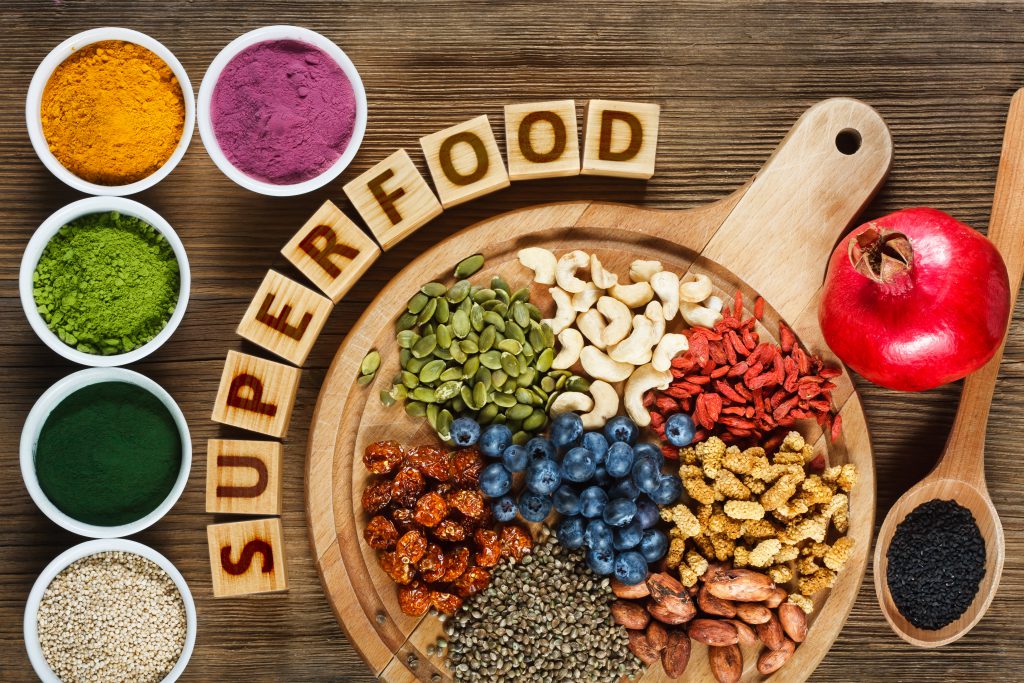
Q: What are Superfoods?
A: Superfoods are nutrient-dense foods that are rich in vitamins, minerals, and antioxidants. These foods have been shown to provide numerous health benefits, including reducing the risk of chronic diseases such as heart disease, diabetes, and cancer.
Q: What makes a food a superfood?
A: A food is considered a superfood when it contains high levels of nutrients that promote good health. Superfoods can be plant-based or animal-based and come in many forms such as fruits, vegetables, nuts & seeds, whole grains, fatty fish like salmon or tuna etc.
Superfoods also possess beneficial compounds such as polyphenols (found in berries) which act as antioxidants protecting our cells from damage caused by free radicals. Omega-3 fatty acids (found in walnuts) help reduce inflammation throughout the body. Probiotics (found in fermented foods like yogurt) support digestive health by promoting a healthy balance of gut bacteria.
Another key factor that sets superfoods apart is their ability to improve overall wellbeing beyond just providing essential nutrients. For instance,
turmeric has anti-inflammatory properties that may help alleviate symptoms associated with arthritis while dark chocolate has been shown to boost mood thanks to its serotonin boosting effects.
Q: What are some examples of Superfoods?
A:
1. Berries – Strawberries,
2. Leafy Greens – Spinach,
3. Nuts & Seeds – Almonds
4. Whole Grains – Quinoa
5. Fatty Fish – Salmon
6. Fermented Foods – Kefir
7. Spices – Turmeric
8.Dark Chocolate
9.Cruciferous Vegetables- Broccoli
10.Legumes – Lentils
Berries contain high levels of vitamin C and anthocyanins (a type of flavonoid), which have anti-inflammatory properties making them great for immune system support.
Leafy greens like spinach contain high levels of folate, a B-vitamin that helps support brain function and cognitive health.
Nuts & Seeds like almonds are a good source of protein, healthy fats, and fiber which can help keep you feeling full throughout the day.
Whole Grains like quinoa are rich in fiber which aids digestion and also contain essential amino acids making it an excellent alternative to animal-based proteins.
Fatty Fish like salmon is packed with omega-3 fatty acids which have been shown to improve heart health by reducing inflammation throughout the body
Fermented Foods such as kefir promote gut health by providing probiotics – beneficial bacteria that live in our digestive system.
Spices like turmeric contain a compound called curcumin which has powerful anti-inflammatory properties making it great for managing pain associated with arthritis or other inflammatory conditions.
Dark Chocolate contains flavonoids that may boost mood while also improving heart health thanks to its antioxidant properties.
Cruciferous Vegetables such as broccoli are high in fiber, vitamins C,E,K & potassium all vital for overall cellular health and immune system function.
Legumes such as lentils offer an abundance of plant-based protein, dietary fiber and minerals including iron making them an excellent choice for vegetarians or vegans looking to meet their nutritional needs.
Q: Can superfoods replace traditional medicine?
A: While superfoods offer numerous benefits when included in a balanced diet, they should not be considered a replacement for conventional medical treatment. It’s important to consult your doctor before making any significant changes to your diet or lifestyle especially if you’re dealing with chronic illness or taking medication. Superfoods should be viewed as part of an overall healthy eating plan rather than a cure-all solution on their own.
Q: How can I incorporate these foods into my daily diet?
A: You don’t need fancy smoothie bowls or expensive powders to enjoy the benefits of superfoods! There are plenty of ways to incorporate these nutrient-dense foods into your daily meals without breaking the bank. Here are some tips:
1. Add berries to your breakfast: Try adding a handful of fresh or frozen berries to oatmeal, pancakes, or yogurt for an antioxidant-packed start to your day.
2. Make leafy greens the star of your salad: Swap out iceberg lettuce for nutrient-packed spinach or kale in salads.
3. Snack on nuts & seeds: Keep a small container of mixed nuts and seeds at work or in your bag for a quick and easy snack on-the-go.
4. Swap refined grains for whole grains: Replace white bread with whole-grain bread, swap rice with quinoa, and try different varieties of pasta such as brown rice noodles.
5. Incorporate fatty fish into your weekly meal plan: Try grilling salmon or tuna steaks once a week instead of relying solely on chicken or beef.
6. Experiment with fermented foods like kefir – add it to smoothies, mix it in with cereal/granola etc
7.Use spices liberally when cooking – adding turmeric powder to soups/stews curries can help boost flavour while also providing health benefits
8.Try swapping out milk chocolate for dark chocolate next time you have a sweet tooth craving.
In conclusion, Superfoods offer numerous health benefits that can support overall wellness when included as part of a balanced diet – they can be easily incorporated into everyday meals making healthy eating more accessible than ever before!

Leave a Reply