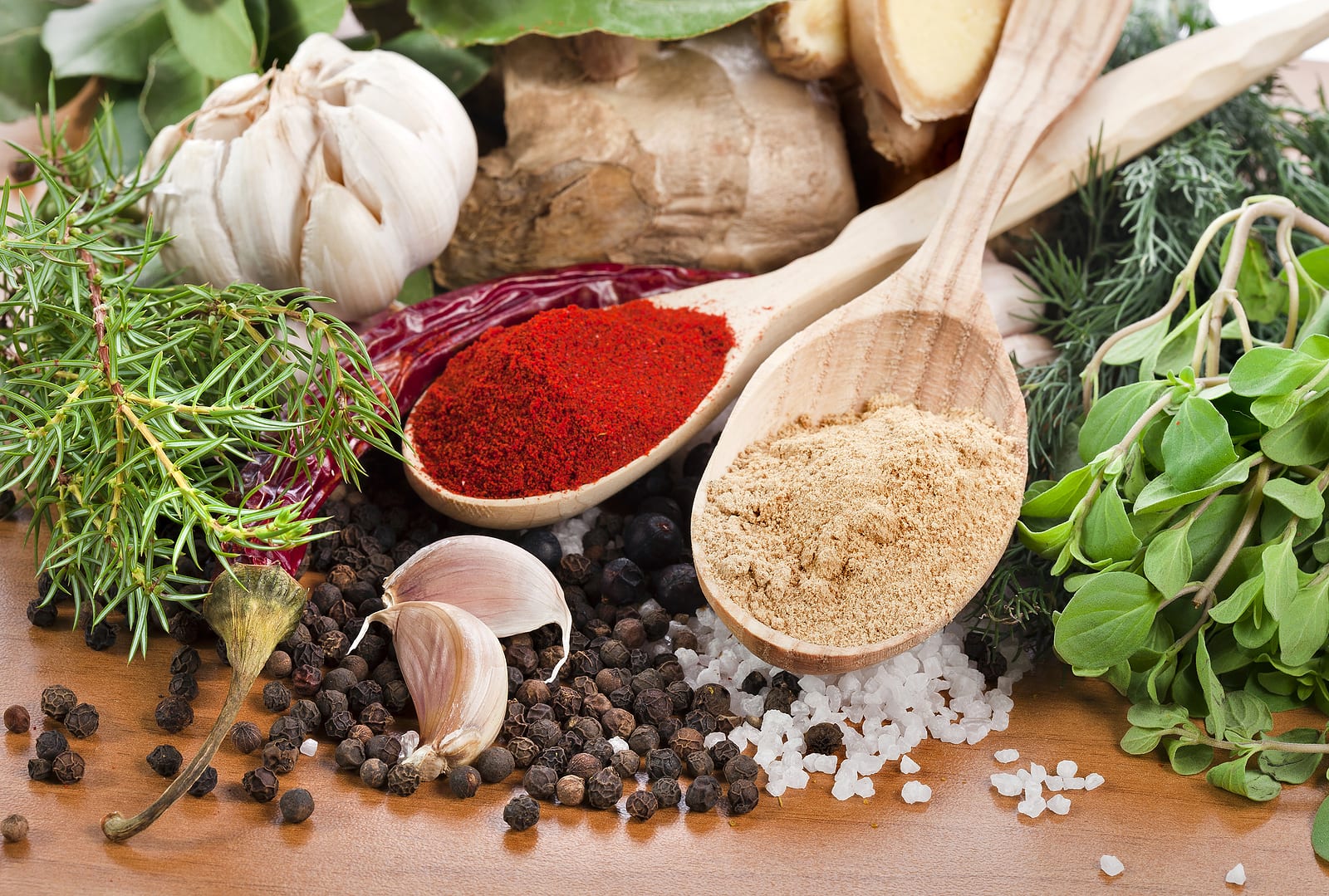
Herbs and spices have been used for thousands of years to add flavor and depth to food, but they also offer a range of health benefits. From reducing inflammation to aiding digestion, incorporating herbs and spices into your meals can enhance both the taste and nutritional value of your diet.
Here are some of the top herbs and spices that you should consider adding to your pantry:
1. Turmeric: This bright yellow spice is commonly found in Indian cuisine and has gained popularity as a powerful anti-inflammatory agent. Curcumin, the active ingredient in turmeric, has been shown to reduce pain, swelling, and stiffness in people with arthritis. It may also help lower blood sugar levels and improve brain function.
2. Cinnamon: Known for its sweet yet spicy flavor, cinnamon is a versatile spice that can be used in both sweet and savory dishes. It has been shown to lower blood sugar levels by improving insulin sensitivity, making it an excellent choice for people with type 2 diabetes or those at risk of developing it.
3. Ginger: Another popular ingredient in Asian cuisine, ginger has long been used as a natural remedy for nausea and digestive issues. Studies have also found it to have anti-inflammatory properties that may help alleviate pain from conditions such as osteoarthritis.
4. Rosemary: This fragrant herb adds a distinctive aroma and flavor to meat dishes such as roasted chicken or lamb chops. It contains compounds that may improve memory function by increasing blood flow to the brain.
5. Garlic: While technically not an herb or spice, garlic is a flavorful addition to many dishes that offers numerous health benefits due to its sulfur-containing compounds called allicin. These include lowering cholesterol levels, reducing blood pressure, and boosting the immune system.
6. Basil: A staple in Italian cooking, basil adds a fresh burst of flavor when added raw or cooked into pasta sauces or soups like minestrone soup recipe . It contains antioxidants that may protect against cellular damage and reduce inflammation.
7. Sage: Used in both sweet and savory dishes, sage has been found to improve memory function and mood by enhancing the activity of certain neurotransmitters in the brain. It also contains compounds that may help lower blood sugar levels.
8. Thyme: This herb is often used to flavor stews, soups, and roasted vegetables thanks to its earthy taste. Thyme is a good source of vitamin C, which can boost immunity as well as improve skin health.
9. Oregano: A pungent herb commonly used in Mediterranean cuisine, oregano has potent antioxidant properties due to its high concentration of phenols. It also contains compounds that have antimicrobial effects against bacteria like E.coli and Salmonella.
10. Black pepper: While it might seem like a simple seasoning, black pepper actually offers several benefits beyond adding heat to your food. Its active ingredient piperine has been found to enhance nutrient absorption from food while also having anti-inflammatory effects.
Incorporating herbs and spices into your diet doesn’t have to be complicated – start by experimenting with different flavors in your favorite recipes or trying new dishes from around the world that feature these ingredients prominently. By doing so, you’ll not only add depth and complexity to your meals but also reap their many health benefits!

Leave a Reply