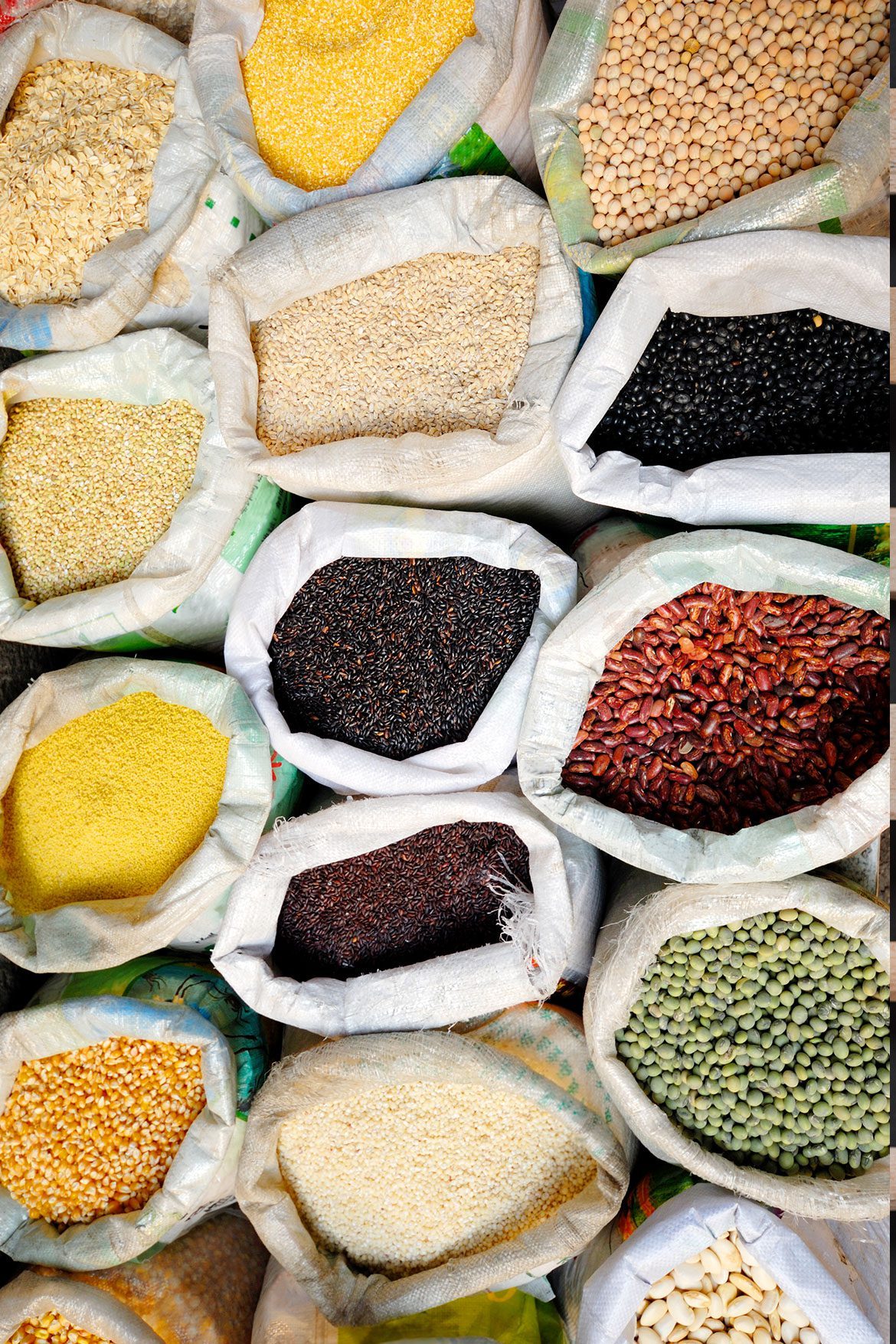
Gluten-free grains are an excellent source of nutrition for those who have celiac disease, gluten intolerance or sensitivity. While wheat, barley and rye contain gluten and should be avoided by individuals with these conditions, there are several other grains that can be consumed without any issue.
1) Quinoa: Quinoa is a popular grain that is high in protein and fiber. It also contains essential amino acids such as lysine and tryptophan which make it an excellent food choice for vegetarians. Additionally, quinoa is rich in minerals like iron, magnesium and manganese which help to support bone health.
2) Brown rice: Brown rice is a whole grain rice that has not been stripped off its bran layer unlike white rice. This makes it high in fiber content and also helps to regulate blood sugar levels. Moreover, brown rice contains antioxidants that may help prevent chronic diseases like cancer.
3) Millet: Millet is another gluten-free grain that is commonly used in making breads or porridge-like dishes. It is rich in calcium and magnesium which supports strong bones while providing essential nutrients like vitamin B6 and zinc.
4) Buckwheat: Despite its name, buckwheat does not contain any wheat but rather belongs to the family of smartweed plants. Buckwheat flour can easily replace regular flour when making pancakes or muffins due to its nutty flavor profile. It contains flavonoids (rutin & quercetin), lignans (a type of phytoestrogen), proteins & carbohydrates necessary for good health.
5) Amaranth: Amaranth seeds are another great source of plant-based protein containing all nine essential amino acids needed by the body. They also provide a good amount of fiber along with vitamins A, C & E plus minerals such as calcium, iron & potassium.
In conclusion, incorporating gluten-free grains into your diet can offer numerous benefits including improved digestion, weight management and reduced risk of chronic diseases. Experiment with different grains to find what suits your taste buds and dietary needs.

Leave a Reply