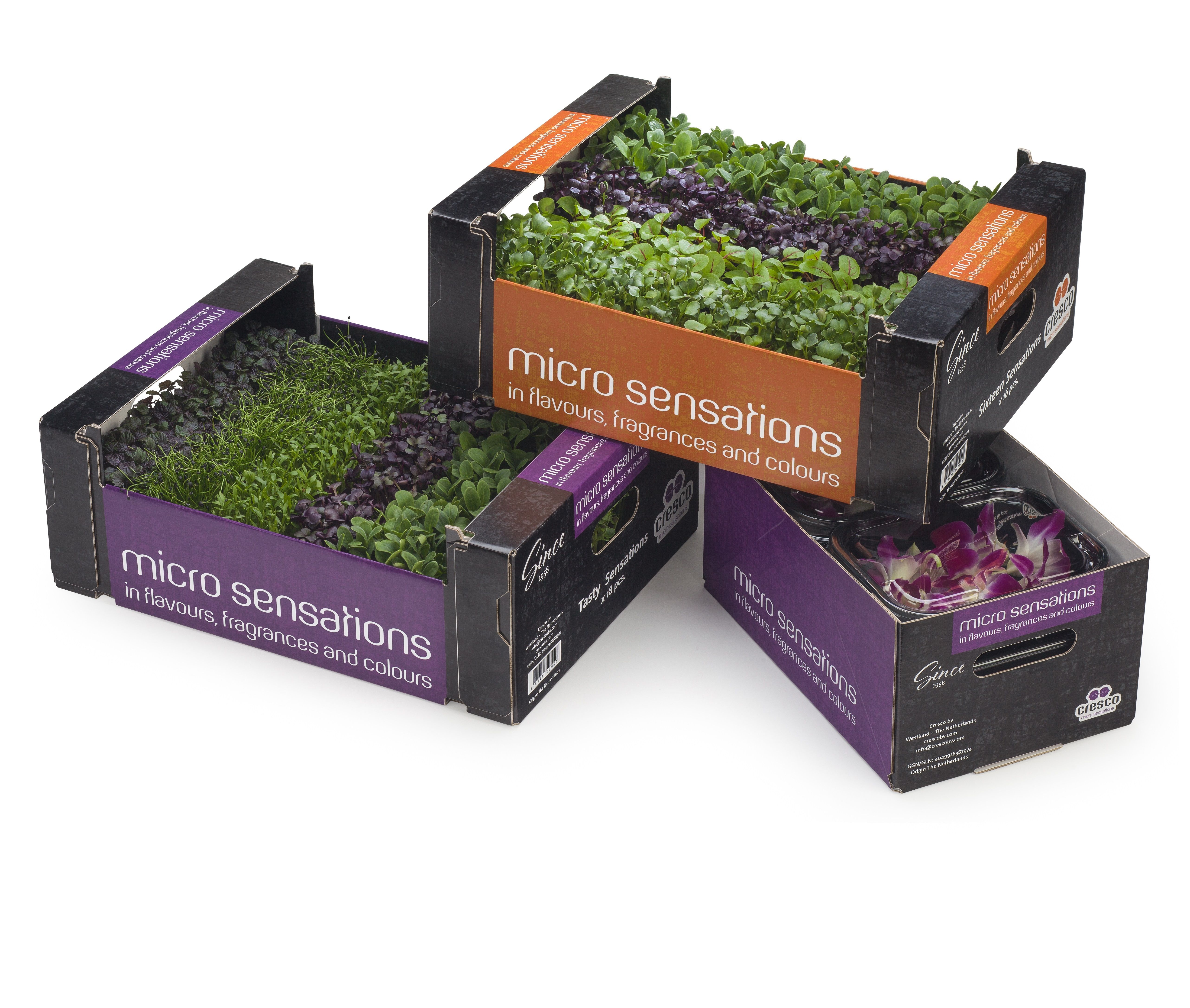
Microgreens are a great way to add some fresh and healthy greens to your diet. They’re packed full of vitamins, minerals, and antioxidants, making them the perfect addition to any meal. Plus, they’re incredibly easy to grow at home! All you need is some seeds, soil, and the right container.
In this article, we’ll be discussing the best containers for growing microgreens so that you can get started with this healthy habit right away!
1. Seed trays
Seed trays are one of the most popular types of containers for growing microgreens. These trays are shallow and have small holes in the bottom for drainage. They come in various sizes and materials such as plastic or terracotta.
When using seed trays to grow microgreens, it’s important to choose a tray size that fits your needs. If you’re just starting out with microgreen gardening, a smaller tray may be better suited for you because it will require less soil and fewer seeds.
2. Mason jars
Mason jars are another popular option for growing microgreens because they’re inexpensive and readily available. To use mason jars as a container for your microgreens, simply fill them halfway with soil or potting mix before sprinkling your seeds on top.
To create drainage holes in your mason jar lid without damaging it permanently (and thus rendering it useless), use an awl or nail punch tool instead of drilling through the lid itself.
3. Plastic cups
Plastic cups make great containers for growing single servings of microgreens because they’re small enough to fit on windowsills or other narrow spaces where other larger containers might not fit well.
To use plastic cups as a container for your microgreens, fill them halfway with soil or potting mix before adding water until dampened slightly but not overly saturated (overwatering will kill off many varieties of seedlings). Then sprinkle your seeds on top before covering loosely with plastic wrap — poke small holes in the plastic wrap to allow for air circulation.
4. Egg cartons
Egg cartons make great containers for growing microgreens because they’re biodegradable and can be composted after use. To use an egg carton as a container for your microgreens, simply fill each cup with soil or potting mix before planting the seeds on top.
When using egg cartons to grow your microgreens, it’s important to choose a variety of seed that will not outgrow the size of the cups — most varieties will do well in this container but larger ones like sunflower and pea shoots may require a deeper vessel.
5. Tupperware containers
Tupperware containers are perfect for growing microgreens because they’re durable and come in various sizes and shapes. To use Tupperware as a container for your microgreens, simply fill it halfway with soil or potting mix before sprinkling your seeds on top.
When using Tupperware to grow your microgreens, it’s important to avoid overwatering since these vessels do not have drainage holes. Instead, check the moisture level often and water sparingly when necessary.
6. Window boxes
Window boxes make great containers for growing larger quantities of microgreens because they provide ample space while still being compact enough to fit on windowsills or balconies. To use a window box as a container for your microgreens, simply fill it with soil or potting mix before sprinkling your seeds on top.
When using window boxes to grow your microgreens, it’s important to choose one that has drainage holes so that excess water does not accumulate at the bottom causing root rot — alternatively you could place rocks or pebbles at the bottom of the box which helps promote better drainage overall.
In conclusion…
There are many different types of containers you can use when growing microgreens at home: seed trays, mason jars, plastic cups, egg cartons, Tupperware containers, and window boxes. Each one has its own unique advantages and disadvantages depending on your specific needs.
Regardless of which container you choose, make sure it’s clean and free of any debris before planting your seeds. Also, be sure to keep a close eye on the moisture level of your soil or potting mix — overwatering can quickly kill off seedlings while underwatering will cause them to dry out and die as well.
Happy gardening!

Leave a Reply