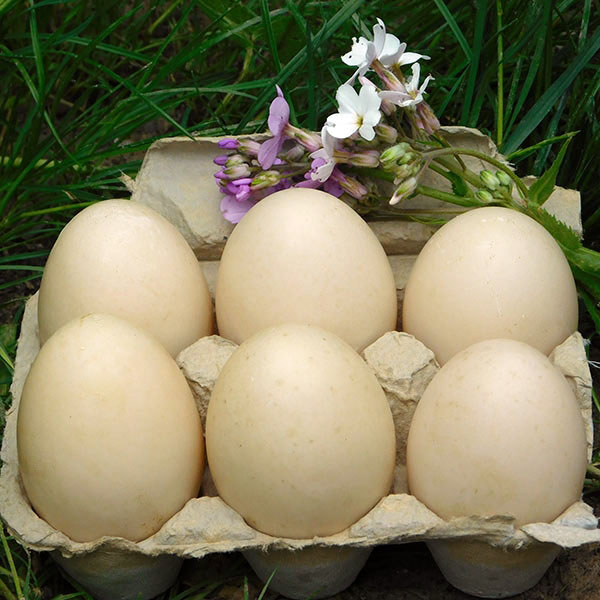
Free-range duck eggs are becoming increasingly popular among people who seek healthier and more humane food choices. These eggs come from ducks that are allowed to roam outside of their coops, eat a natural diet, and engage in other normal behaviors such as swimming or foraging for insects and plants.
In comparison to conventional chicken eggs, free-range duck eggs contain higher levels of omega-3 fatty acids, vitamin D, vitamin E, and minerals such as selenium and iron. They also have a richer taste and texture due to their larger yolk-to-white ratio. Many people find them especially delicious when used in baking or as an alternative to chicken eggs.
It is important to note that not all “free-range” labels on egg cartons mean the same thing. The term is not regulated by any government agency so it can be used quite loosely by some producers. Ideally, free-range ducks should have access to outdoor areas with grass or water sources for at least part of the day. Consumers can do research on specific brands or visit local farmers’ markets where they can talk directly with the growers about their farming practices.
One benefit of choosing free-range duck eggs is supporting sustainable agriculture practices that promote animal welfare. By allowing ducks to live in environments similar to what they would experience naturally, producers contribute positively towards biodiversity conservation efforts while providing consumers with higher quality products.
Another advantage is avoiding exposure to pesticides and genetically modified organisms (GMOs) which may be present in conventional feed given to poultry animals raised intensively indoors. Free-range ducks consume a varied diet consisting of insects, worms, seeds, grasses which results in higher nutritional value compared to grain-fed birds.
Although free-range duck egg production comes with its own challenges such as predators or diseases like avian influenza – it’s worth noting that these risks could be mitigated through responsible management practices including biosecurity measures like limiting flock sizes or using protective netting around outdoor areas.
Finally – free-range duck eggs are an excellent option for people with allergies or intolerances to chicken eggs. Due to the differences in their protein and fat content, some individuals who experience digestive issues after consuming chicken eggs report being able to tolerate duck eggs better.
In summary, free-range duck eggs offer a more nutritious and flavorful alternative to conventional chicken eggs while promoting sustainable agricultural practices. Consumers can make informed choices by seeking out reputable brands, doing research on farming practices, and supporting local growers.

Leave a Reply