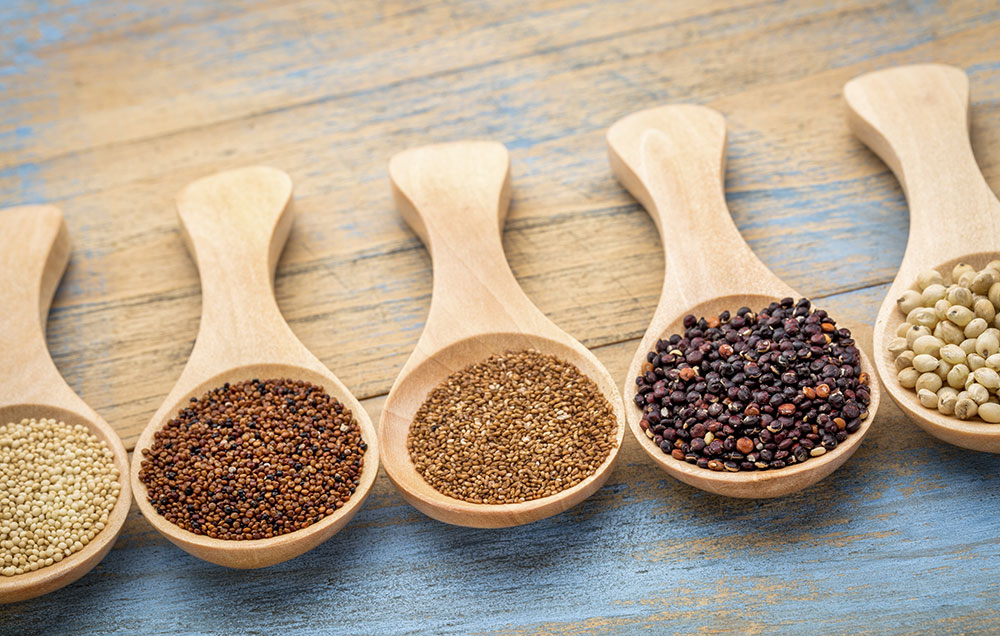
Gluten-free grains have become a popular choice for people who want to avoid gluten or are gluten intolerant. These grains are not only free from gluten but also rich in nutrients and fiber, making them a healthy option for everyone.
Here is an overview of some commonly available gluten-free grains:
1. Quinoa: This grain is high in protein, fiber, and iron. It has a nutty flavor and can be used as a substitute for rice or pasta.
2. Brown Rice: Brown rice is another great source of fiber and essential nutrients like magnesium, phosphorus, and selenium. It can be used as the base for many dishes such as stir-fries or salads.
3. Buckwheat: Despite its name, buckwheat is not related to wheat at all; it’s actually a seed! Buckwheat is high in protein, antioxidants, and minerals like magnesium and manganese.
4. Millet: This small grain is packed with nutrition including B-vitamins, iron, calcium, zinc, magnesium and potassium. It has a mild flavor that makes it perfect for use in both sweet and savory recipes.
5. Sorghum: Sorghum contains antioxidants that help fight inflammation in the body along with other beneficial nutrients like protein and fiber.
6. Oats (gluten-free): Although oats do not naturally contain gluten they may come into contact with it during processing so make sure you purchase certified gluten-free oats if you have celiac disease or are highly sensitive to gluten.
7. Amaranth: Amaranth seeds are tiny but mighty! They’re loaded with essential amino acids (which your body needs to build proteins), vitamins B6 & C along with calcium ,iron,and magnesium too!
8.Teff : Teff flour comes from an ancient Ethiopian grain . Its tiny size makes it easy to digest while being rich in fibre , iron ,calcium & vitamin C .
These gluten-free grains are versatile and can be used in a variety of dishes. They can be cooked just like traditional grains, added to soups or salads, or ground into flour for use in baking.
If you’re looking for inspiration on how to incorporate these grains into your diet, here are some ideas:
– Use quinoa instead of rice in stir-fries or as a base for grain bowls.
– Make porridge with millet by cooking it with almond milk and your favorite spices.
– Create a gluten-free pizza crust using buckwheat flour.
– Add amaranth to your breakfast routine by making it into a savory porridge topped with an egg and veggies.
– Substitute sorghum flour for wheat flour when baking cakes or breads.
In conclusion, incorporating gluten-free grains into your diet is not only necessary if you have celiac disease or gluten sensitivity but also beneficial for overall health. These grains are packed with nutrients and fiber while being deliciously versatile. So go ahead and experiment with different types of gluten-free grains – there’s no shortage of creative ways to enjoy them!

Leave a Reply