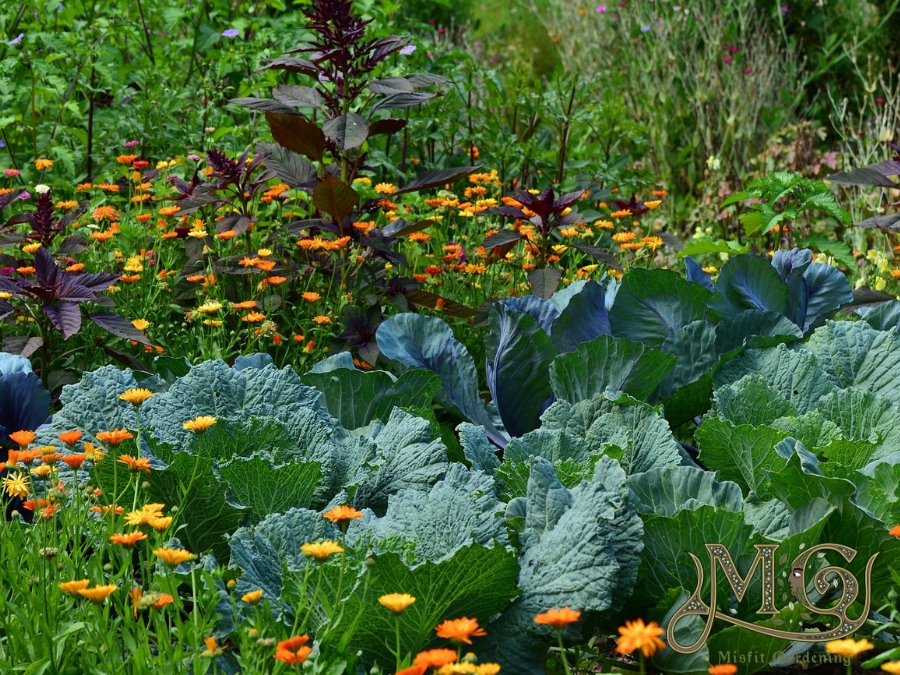
Permaculture gardening is an approach to growing food that emphasizes sustainability, biodiversity, and self-sufficiency. The word “permaculture” comes from the combination of “permanent agriculture” and “culture,” reflecting its aim to create a permanent, regenerative system that supports both humans and the natural environment.
The concept of permaculture was developed by Australians Bill Mollison and David Holmgren in the 1970s. They were inspired by traditional indigenous farming practices that had sustained people for thousands of years without damaging their surroundings. Permaculture draws on diverse fields such as ecology, biology, anthropology, and architecture to create a holistic approach to food production.
One of the key principles of permaculture gardening is designing systems that mimic natural ecosystems. This means creating diverse plant communities with different layers (canopy trees, understory shrubs, groundcovers) that provide multiple benefits such as shade, soil stabilization, pest control, nutrient cycling, and habitat for wildlife.
Another core principle is using renewable resources and minimizing waste. Permaculturists strive to minimize inputs such as water, energy, fertilizers or pesticides from outside sources by creating closed-loop cycles within their gardens. For example:
– Composting: turning organic matter into nutrient-rich soil amendment
– Mulching: covering the soil with organic materials like leaves or straw to retain moisture and suppress weeds
– Rainwater harvesting: collecting rainwater in tanks or swales for irrigation purposes
– Companion planting: growing plants together that benefit each other through shared nutrients or repelling pests
Permaculturists also focus on building healthy soils as the foundation for productive gardens. Healthy soils are teeming with microorganisms like bacteria and fungi that break down organic matter into forms plants can use. They also have good structure (crumbly texture), porosity (air pockets), water-holding capacity (not too sandy or clayey), pH balance (neither too acidic nor alkaline), and nutrient content (adequate levels of nitrogen, phosphorus, potassium, etc.).
To achieve this, permaculturists use techniques such as:
– No-till farming: avoiding plowing or digging the soil which disrupts its structure and releases carbon into the atmosphere
– Cover cropping: growing plants that add nutrients to the soil or suppress weeds during fallow periods
– Biochar: using charcoal made from organic matter as a long-lasting soil amendment that improves fertility and reduces greenhouse gas emissions
Permaculture gardening also emphasizes the importance of diversity in food production. Instead of relying on monoculture crops (e.g., vast fields of corn or soybeans), permaculturists grow multiple species together in polyculture systems. This not only creates resilient ecosystems that are less susceptible to pests or disease outbreaks but also provides a wide range of foods for humans.
Some examples of polyculture systems include:
– Food forests: mimicking natural forests with layers of fruit trees, berry bushes, nut trees, vines, herbs, and understory crops like mushrooms or ferns
– Three sisters garden: combining maize (corn), beans, and squash in a symbiotic relationship where each plant benefits from the others’ traits (e.g., nitrogen fixation by beans, support by cornstalks)
– Guild planting: assembling groups of plants that complement each other’s functions (e.g., nitrogen-fixing legumes with heavy feeders like tomatoes)
Permaculturists also value local food systems over globalized ones. They believe that communities should have access to fresh, healthy food grown nearby rather than relying on imported products shipped from far away. This means supporting small-scale farmers who use sustainable methods rather than industrial agriculture which degrades soils and pollutes waterways.
In conclusion, permaculture gardening is a holistic approach to growing food that prioritizes sustainability over short-term gains. It draws on diverse fields of knowledge and practices to create regenerative systems that benefit both humans and the natural environment. By mimicking natural ecosystems, using renewable resources, building healthy soils, promoting biodiversity, and supporting local food systems, permaculturists are creating a resilient future for all.

Leave a Reply