Intermittent Fasting and Autophagy: A Guide to the Benefits of Time-Restricted Eating
Intermittent fasting has been gaining popularity in recent years for its potential health benefits, particularly regarding weight loss and metabolic health. However, there is another aspect of intermittent fasting that is often overlooked but equally important: autophagy.
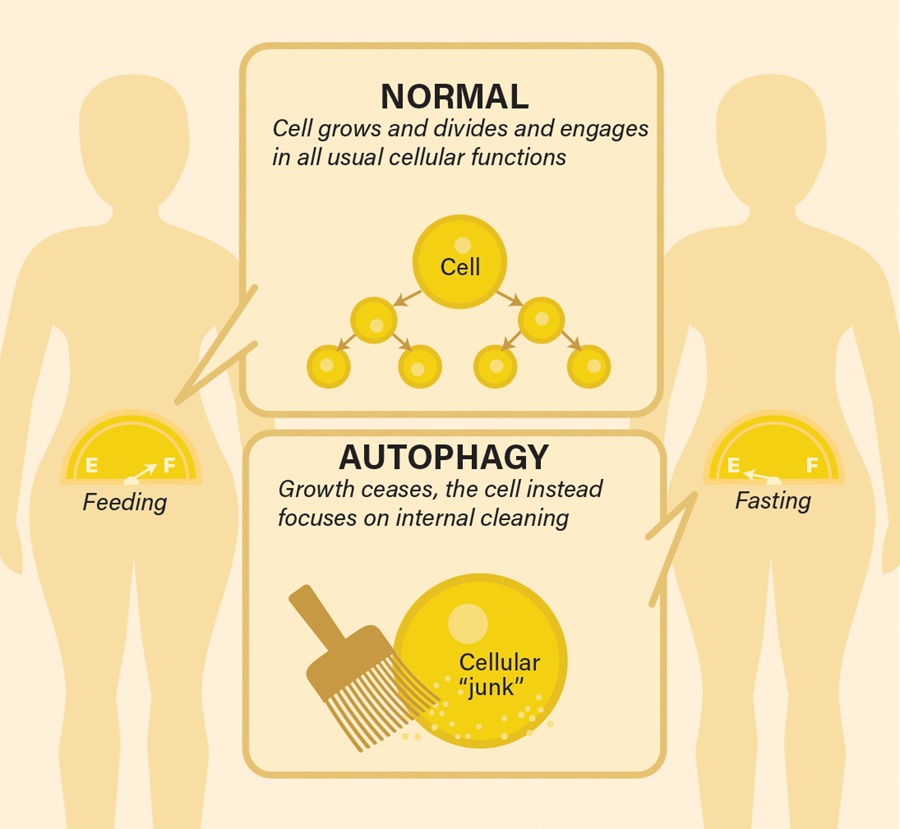
Autophagy is a natural process by which our cells clean out damaged or dysfunctional components and recycle them for energy. When we fast, our bodies switch from glucose-based metabolism to ketone-based metabolism, which triggers autophagy to kick into high gear. This results in numerous health benefits, including improved immune function, reduced inflammation, and increased longevity.
In this article, we’ll explore the link between intermittent fasting and autophagy in more detail and discuss how you can incorporate time-restricted eating into your lifestyle for optimal health.
What Is Intermittent Fasting?
Intermittent fasting (IF) involves restricting food intake for a set period of time each day or week. There are several different methods of IF, but the most common ones include:
– 16/8 method: eating all meals within an 8-hour window and fasting for the remaining 16 hours.
– Alternate-day fasting: alternating between days where you eat normally with days where you consume no more than 500 calories.
– 5:2 diet: eating normally five days per week and consuming no more than 500-600 calories on two non-consecutive days.
While some people use IF as a weight loss tool, it also has other potential benefits such as reducing insulin resistance and improving brain function.
What Is Autophagy?
As mentioned earlier, autophagy is a process by which the body rids itself of damaged components by breaking them down into their basic building blocks. These building blocks can then be used as fuel to power other cellular processes.
Autophagy plays an essential role in preventing the accumulation of damaged proteins and other molecules that can lead to disease. It has been linked to various health benefits, including:
– Improved immune function: Autophagy helps remove pathogens and infected cells from the body, reducing the risk of infection.
– Reduced inflammation: By clearing out damaged components, autophagy can reduce inflammation in the body, which is a major contributor to many chronic diseases.
– Increased longevity: Studies have shown that increased autophagy is associated with longer lifespans in animals.
How Does Intermittent Fasting Trigger Autophagy?
When we fast, our bodies switch from glucose-based metabolism to ketone-based metabolism. This metabolic shift triggers several cellular processes, one of which is autophagy.
During fasting periods, levels of insulin – a hormone that regulates blood sugar levels – decrease. This leads to an increase in glucagon – another hormone responsible for breaking down stored glucose and promoting fat breakdown.
As a result, our bodies start producing ketones as an alternative energy source. Ketones are produced from fatty acids released by fat cells during fasting periods. These ketones signal cells throughout the body to ramp up their autophagic activity as they search for additional sources of fuel.
In addition to triggering autophagy, intermittent fasting has also been shown to improve mitochondrial function (the powerhouses of our cells), reduce oxidative stress (a type of damage caused by free radicals), and enhance cellular repair mechanisms.
How Can You Incorporate Intermittent Fasting Into Your Lifestyle?
If you’re interested in trying intermittent fasting for its potential health benefits but aren’t sure where to start, here are some tips:
1. Choose a method that works best for you: There’s no one-size-fits-all approach when it comes to IF. Experiment with different methods until you find one that suits your lifestyle and goals.
2. Start slowly: Don’t jump into a 16-hour fast right away if you’re not used to it. Start with a 12-hour fast and gradually increase the fasting window over time.
3. Stay hydrated: Drink plenty of water, herbal tea, or other non-caloric beverages during your fasting periods to stay hydrated.
4. Listen to your body: If you feel dizzy, weak, or lightheaded during a fast, break it with a small snack or meal.
5. Be patient: It can take several weeks for your body to adjust to intermittent fasting. Don’t expect overnight results – be patient and consistent.
Conclusion
Intermittent fasting has many potential health benefits beyond weight loss, including triggering autophagy – a natural process that helps our cells clean out damaged components and recycle them for energy. By incorporating time-restricted eating into your lifestyle in a safe and sustainable way, you may be able to boost your immune system, reduce inflammation, and improve overall longevity. However, as with any dietary change or exercise program, it’s important to consult with a healthcare professional before starting an intermittent fasting regimen.

Leave a Reply