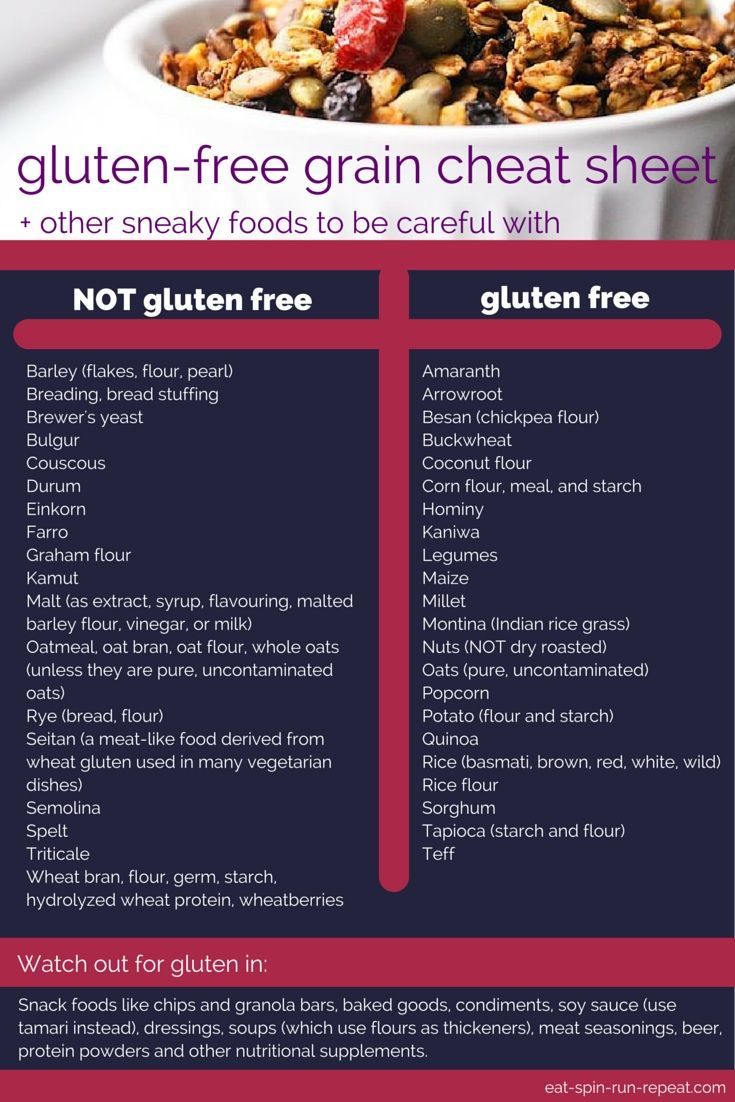
Gluten-free eating has become increasingly popular in recent years as more and more people are discovering the benefits of cutting gluten out of their diets. Whether it’s due to celiac disease or a sensitivity to gluten, there are many ways to enjoy delicious and healthy gluten-free meals. Here are the top 10 tips for successful gluten-free eating:
1. Read Labels Carefully
When shopping for groceries, make sure to read labels carefully to avoid any hidden sources of gluten. Gluten can be found in many unexpected places such as sauces, dressings, and even some medications.
2. Avoid Processed Foods
Processed foods often contain hidden sources of gluten and other unhealthy additives that can negatively affect your health. Instead, focus on whole foods such as fruits, vegetables, lean proteins, and grains like quinoa and rice.
3. Experiment with Alternative Flours
There are many alternative flours available that are naturally gluten-free such as almond flour, coconut flour, and chickpea flour. These flours can be used in baking recipes or as substitutes for traditional wheat-based products like pasta.
4. Know Your Grains
While some grains like wheat contain gluten, others do not. Popular gluten-free options include rice (brown or white), quinoa, buckwheat groats (not the same thing as prepared buckwheat cereal), amaranth seeds (great source of protein), millet (similar texture/size to couscous), teff grain (Ethiopian staple food similar in nutritional profile to quinoa), cornmeal/polenta/grits & sorghum flakes.
5. Be Mindful When Dining Out
Eating out while following a strict gluten-free diet can be challenging but there are still many dining options available if you know what to look for on menus before arriving at a restaurant; most offer online menus which ease this process further so check beforehand! Many restaurants now offer specifically tailored menus listing gluten-free options or will willingly accommodate your dietary restrictions if you ask.
6. Opt for Simple Meals
When cooking at home, opt for simple meals that focus on fresh ingredients and natural flavors rather than complicated recipes that may contain hidden sources of gluten.
7. Make Your Own Sauces and Dressings
Many store-bought sauces and dressings contain hidden sources of gluten, but it is easy to make your own using simple ingredients like olive oil, vinegar, garlic, herbs & spices. You can also replace wheat-based thickeners with cornstarch or arrowroot powder.
8. Snack Smartly
Snacking can be a great way to keep hunger at bay throughout the day but avoid packaged snacks containing wheat flour (e.g., crackers). Instead reach for healthy alternatives such as raw veggies & hummus, fruit or nut butter combos (apples and almond butter are fantastic together), rice cakes topped with avocado/cottage cheese/egg/chopped tomatoes/etc.
9. Look for Gluten-Free Certification Labels
Look out for products bearing official certification labels indicating that they have been tested and verified as being gluten-free by third-party organizations such as The Gluten-Free Certification Organization (GFCO).
10. Don’t Stress Over Slip-Ups
Don’t worry if you accidentally consume something containing gluten; it happens to everyone from time-to-time! Focus instead on eating well most of the time so when these things do happen there’s less risk of them affecting your health.
In conclusion, following a strict gluten-free diet may seem daunting at first but once you get into the habit of reading labels carefully and experimenting with new ingredients it becomes much easier to eat delicious and healthy meals without worrying about consuming gluten-containing foods. By following these tips you will not only be able to maintain a healthy lifestyle but also enjoy some delicious food while doing so!

Leave a Reply