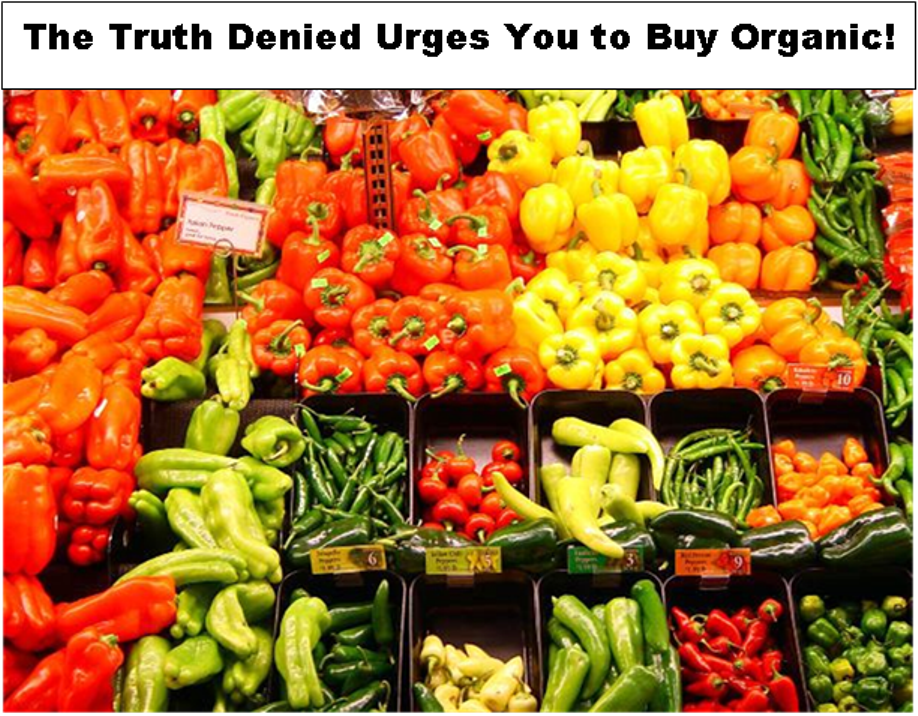
In recent years, the term GMO has become a hot topic in the world of food and agriculture. GMOs, or genetically modified organisms, are plants or animals whose genetic makeup has been altered using genetic engineering techniques. While some argue that GMOs have helped increase crop yields and reduce food costs, others believe they pose potential health risks to humans and the environment.
As a result, many consumers have turned to Non-GMO foods as an alternative. Non-GMO foods are those that do not contain any genetically modified ingredients. These foods are often labeled with a “Non-GMO Project Verified” seal, which indicates that they have undergone testing by a third-party organization to ensure they meet strict standards for non-GMO ingredients.
One advantage of choosing Non-GMO foods is that they may be better for your health. While there is still much debate about the safety of consuming GMOs, studies have shown that genetically engineered crops can sometimes contain higher levels of allergens or toxins than their non-modified counterparts. By choosing non-GMO foods, you can avoid these potential health risks.
Another benefit of Non-GMO foods is their impact on the environment. Some critics argue that GMO crops contribute to environmental degradation by promoting monoculture (the practice of growing only one type of crop in an area) and increasing reliance on pesticides and herbicides. In contrast, organic farming practices used in producing non-GMO crops encourage biodiversity and promote healthier soil.
Despite these advantages, it’s important to note that choosing Non-GMO doesn’t necessarily mean you’re making the healthiest choice possible. Many non-GMO products can still be high in sugar or other unhealthy additives like preservatives or artificial flavors. When selecting non-GMO options at the grocery store or restaurant menu be sure to focus on whole foods like fruits vegetables lean proteins nuts seeds legumes grains dairy etc..
Ultimately whether you choose GMO or Non- GMO depends on your personal beliefs values priorities and health concerns. If you do choose to go non-GMO, make sure to educate yourself about the ingredients in your food and read labels carefully. By doing so, you can ensure that the foods you eat are not only free of genetically modified ingredients but also healthy and nourishing for your body.

Leave a Reply