High-Protein Diets for Muscle Gain: Everything You Need to Know
If you’re looking to build muscle, one of the most important things you can do is focus on your diet. While there are a lot of different dietary approaches that can help promote muscle growth, high-protein diets are some of the most popular and effective.
In this article, we’ll take a closer look at what high-protein diets are, how they work, and some tips for incorporating them into your muscle-building routine.
What Are High-Protein Diets?
As their name suggests, high-protein diets are dietary approaches that prioritize protein intake above all else. Typically, these diets involve consuming anywhere from 1-2 grams of protein per pound of body weight each day.
To put that in perspective, if you weigh 150 pounds and want to follow a high-protein diet for muscle gain purposes, you might aim to consume between 150-300 grams of protein each day.
This level of protein intake is significantly higher than what most people consume on a daily basis. However, research has shown that increasing your protein intake can be an effective way to support muscle growth and improve overall body composition (1).
How Do High-Protein Diets Work?
There are several mechanisms by which high-protein diets may help promote muscle growth:
1. Increased Muscle Protein Synthesis
When you exercise with weights or engage in other forms of resistance training, it creates tiny tears in your muscles. Your body responds by repairing these tears and building new tissue to reinforce the affected area.
Protein plays a key role in this process because it provides essential amino acids – the building blocks necessary for new tissue formation. When you consume more protein than usual through your diet (i.e., following a high-protein diet), it increases the amount of amino acids available for tissue repair and growth (2).
2. Improved Satiety
One potential downside to traditional muscle-building diets is that they often involve consuming large amounts of carbohydrates and fats. While these macronutrients are important for energy and overall health, they can also be calorie-dense and less filling than protein.
On the other hand, protein is known to be a highly satiating nutrient. This means that it can help keep you feeling full and satisfied after meals, which may make it easier to stick to your diet plan over the long haul (3).
3. Increased Thermogenesis
Another potential benefit of high-protein diets is their effect on thermogenesis – the process by which your body burns calories to produce heat.
Research has shown that consuming more protein can increase the amount of energy your body expends through thermogenesis (4). This means that following a high-protein diet may help boost your metabolism and support fat loss in addition to muscle gain.
Tips for Incorporating High-Protein Diets into Your Muscle-Building Routine
If you’re interested in trying a high-protein diet to support muscle growth, here are some tips for getting started:
1. Choose High-Quality Protein Sources
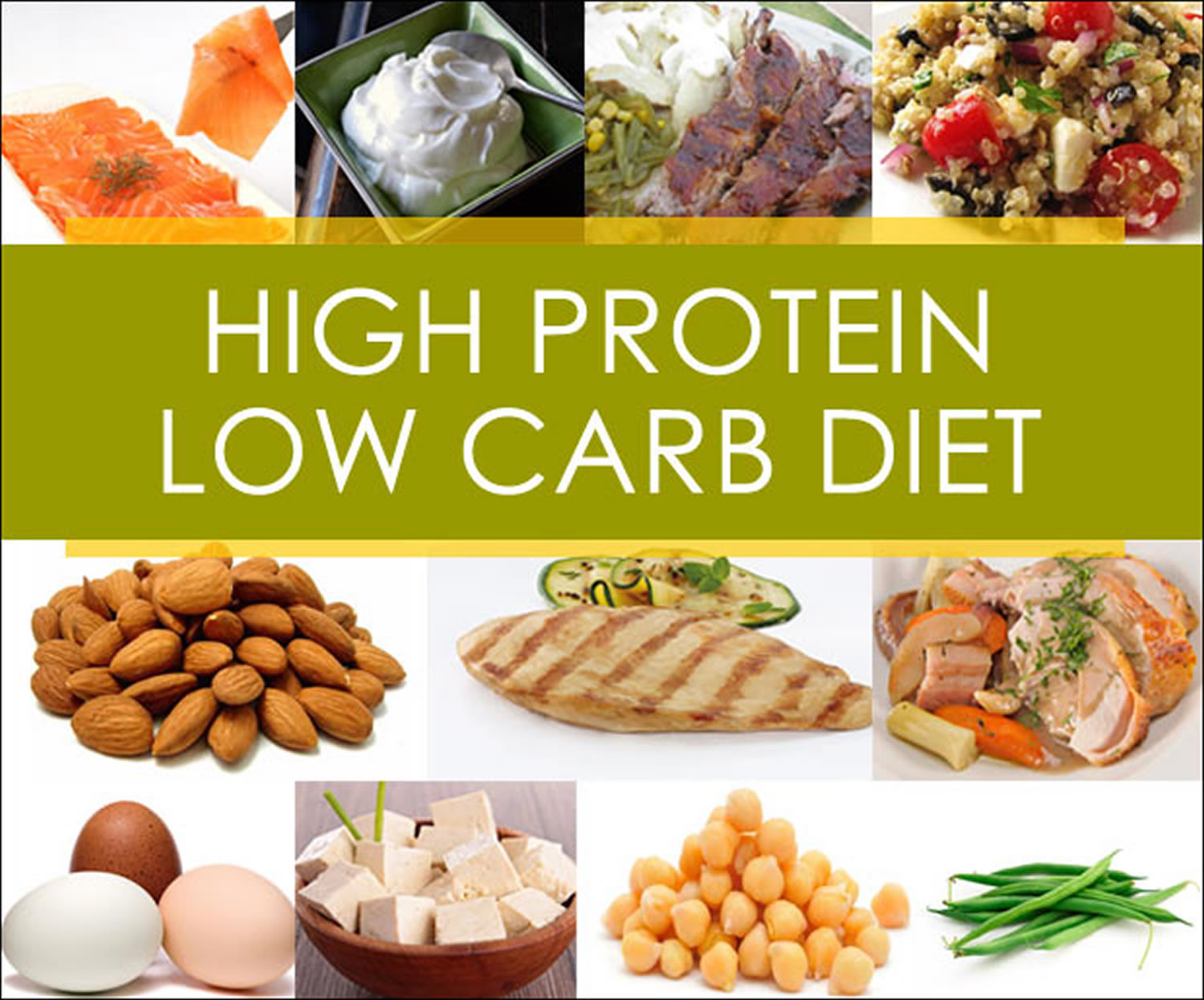
Not all proteins are created equal when it comes to supporting muscle growth. To maximize your gains, focus on incorporating high-quality sources like lean meats, poultry, fish, eggs, dairy products, legumes, nuts/seeds into your diet.
2. Spread Out Your Protein Intake
While it’s possible to consume all of your daily protein intake in one or two meals per day (i.e., “protein loading”), research suggests that spreading out your intake across multiple meals may be more beneficial for muscle growth (5).
Aim to consume 20-30 grams of protein at each meal/snack throughout the day rather than relying solely on one or two large servings.
3. Monitor Your Calorie Intake
Although increasing your protein intake can help support muscle growth directly by providing amino acids necessary for tissue repair and growth, it’s important to remember that muscle gain ultimately requires a calorie surplus (i.e., consuming more calories than you burn).
To prevent overeating or undereating, use an online calculator to determine your daily calorie needs for muscle gain based on your age, sex, weight, and activity level.
4. Be Mindful of Other Nutrients
While protein is crucial for muscle growth, it’s still important to consume other nutrients like carbohydrates and fats in moderation. These macronutrients provide energy for exercise and overall health benefits as well.
Aim to consume complex carbohydrates (e.g., whole grains) along with healthy fats (e.g., avocado) in addition to your protein intake.
Conclusion
Following a high-protein diet can be an effective way to support muscle growth if done properly. By choosing high-quality sources of protein, spreading out your intake throughout the day, monitoring your calorie intake carefully, and being mindful of other nutrients in your diet plan, you can optimize your chances of success.

Leave a Reply