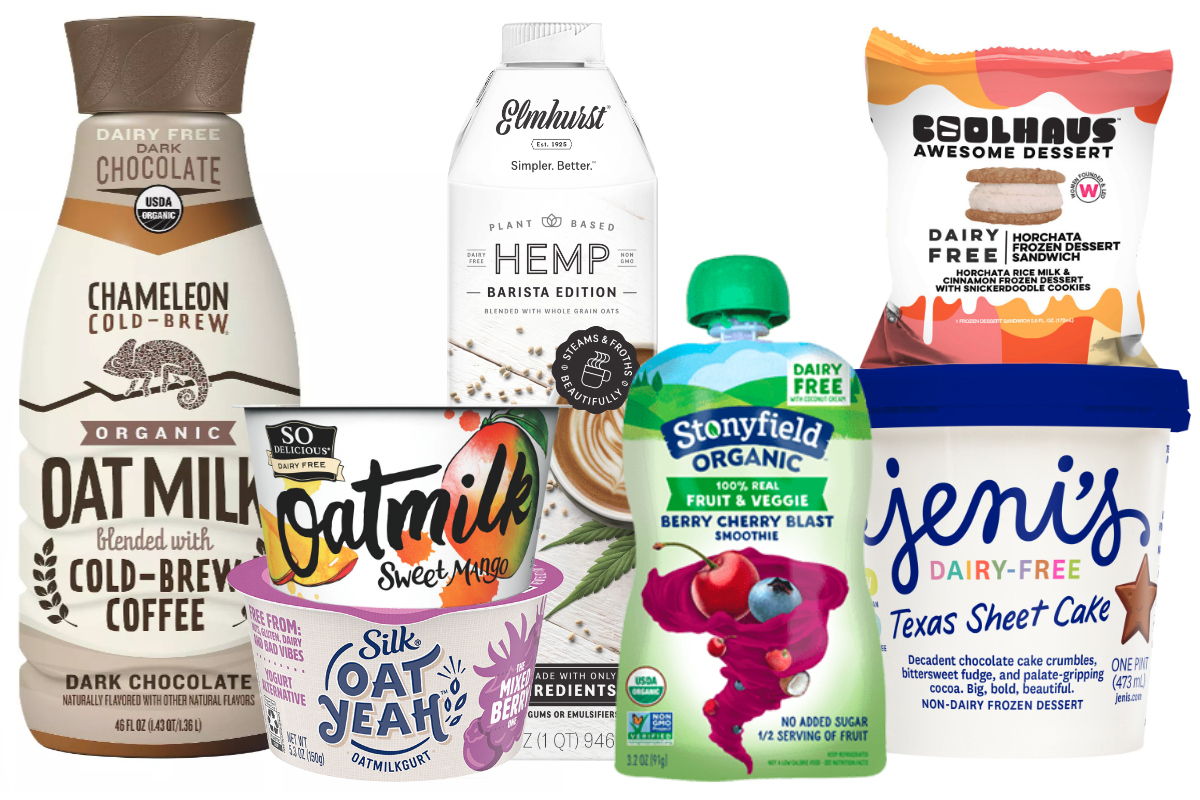
Dairy Alternatives: A Comprehensive Guide
Milk and dairy products have long been a staple in many people’s diets. However, as more individuals become health-conscious or develop lactose intolerance, the demand for dairy alternatives has significantly increased.
This guide aims to provide you with an overview of some of the most popular non-dairy milk options available today, including their nutritional profiles and potential benefits.
Soy Milk
Made from soybeans and water, Soy Milk is one of the most widely available plant-based milk substitutes. It is rich in protein, calcium, iron, and vitamin D. Compared to cow’s milk though it contains less fat but more carbohydrates per serving.
One cup (240 mL) of unsweetened soy milk provides about:
– Calories: 80
– Protein: 7 grams
– Fat: 4 grams
– Carbohydrates: 4 grams
– Fiber: 1 gram
– Calcium: 30% of the daily value (DV)
– Vitamin D: 25% DV
– Iron: 10% DV
Soy products have been linked to various health benefits such as improving cholesterol levels and reducing menopausal symptoms in women. However, there are concerns that excessive intake may negatively affect thyroid function due to its phytoestrogen content.
Almond Milk
Almond milk is made by blending almonds with water then straining off the solids. It has gained popularity over time due to its nutty flavor profile and low-calorie count. Almond milk also contains fewer carbohydrates than cow’s milk while providing significant amounts of vitamin E which plays a crucial role in skin health.
One cup (240 mL) of unsweetened almond milk provides about:
– Calories: 40
– Protein :1 gram
– Fat :3 grams
-Carbohydrates :2 grams
-Fiber :1 gram
-Calcium :20% DV
-Vitamin E :50% DV
-Vitamin D: 25% DV
Almond milk contains fewer calories than cow’s milk, making it a preferred choice for weight loss enthusiasts. However, compared to other dairy alternatives, it has lower protein content.
Coconut Milk
Coconut milk is made by blending coconut flesh and water then straining off the solids. It is thick in texture and richer in flavor than most of the other non-dairy alternatives. Coconut milk is also high in saturated fat which makes it an excellent substitute for heavy cream or butter while baking or cooking.
One cup (240 mL) of unsweetened coconut milk provides about:
– Calories: 45
– Protein: 0 grams
– Fat: 5 grams
– Carbohydrates: 1 gram
– Fiber: 0 grams
– Calcium: 10% DV
– Vitamin D: not significant
– Iron :4% DV
Despite being low in carbohydrates, coconut milk has one of the highest fat contents among all plant-based milks. Excessive intake may lead to weight gain and cardiovascular concerns due to its high saturated fat levels.
Oat Milk
Oat milk is made from oats blended with water then strained off their solids. Unlike some dairy alternatives like almond or soy that have been around for decades, oat milk is relatively new but quickly becoming popular due to its creamy texture and nutty taste profile.
One cup (240 mL) of unsweetened oat milk provides about:
-Calories :120
-Protein :3 grams
-Fat :5grams
-Carbohydrates :16grams
-Fiber :2grams
-Calcium .35%DV
-Vitamin D .25%DV
-Iron .35%DV
Oats are rich in fiber especially beta-glucan that has been shown to improve gut health by increasing good bacteria present there. It is also an excellent source of carbohydrates and has been found to improve satiety levels compared to other plant-based milks.
Rice Milk
Rice milk is made from boiled rice blended with water then strained off their solids. It is often used as a substitute for dairy products in baking or cooking due to its mild flavor profile.
One cup (240 mL) of unsweetened rice milk provides about:
– Calories: 70
– Protein: less than 1 gram
– Fat: less than 1 gram
– Carbohydrates :14grams
-Fiber :0 grams
-Calcium .2%DV
-Vitamin D .25%DV
-Iron 8% DV
While it’s naturally sweet, rice milk has the lowest nutrient content among all non-dairy alternatives. Its low protein content makes it unfavorable for individuals requiring high protein intake such as athletes.
In conclusion, there are various dairy alternatives available today that cater to different dietary needs and preferences. When choosing a non-dairy alternative, consider factors like nutritional value, taste profile, and potential health benefits associated with each option. Remember that while some may have lower calorie counts or fats, they might contain higher amounts of sugar or lack essential nutrients present in cow’s milk. Therefore always read product labels carefully before making your choice.

Leave a Reply