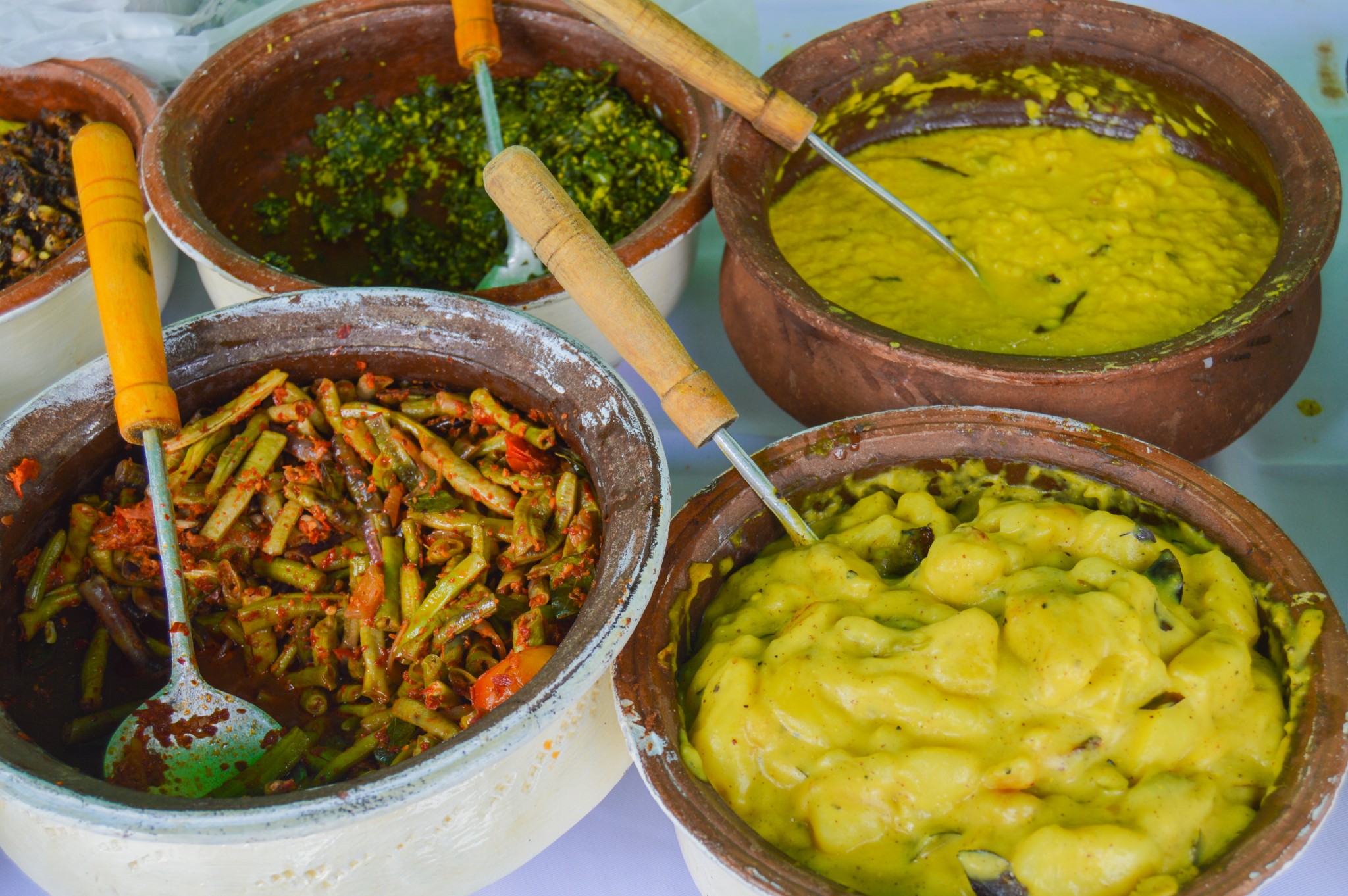
Sri Lanka, the tropical island nation located south of India, is a country with a rich history and diverse culture. Known for its stunning beaches, ancient temples, delicious cuisine, and friendly people, Sri Lanka has become an increasingly popular destination for tourists from around the world. But beyond its tourism industry lies a fascinating food culture that has been shaped by centuries of trade and colonization.
The cuisine of Sri Lanka is heavily influenced by Indian, Portuguese, Dutch and British traditions. Rice and curry are staples in Sri Lankan cuisine with coconut playing a significant role in most dishes. Coconut milk is used to add creaminess to curries while grated coconut adds texture to many traditional sweets such as kavum and kokis. The use of spices also plays an important part in Sri Lankan cooking with cinnamon being one of the most commonly used spices.
One of the unique features of Sri Lankan cuisine is hoppers (appa), which are bowl-shaped pancakes made from fermented rice flour and coconut milk. Hoppers can be eaten at any time during the day from breakfast to dinner depending on how they’re served – sweet or savory. String hoppers (idiyappam) are another popular dish made from steamed rice flour noodles that are often served with sambol or curry.
Another staple in Sri Lankan cuisine is seafood due to its location near the ocean. Freshly caught fish are incorporated into many dishes such as fish curry which typically includes pieces of firm white fish cooked in curry sauce flavored with tamarind juice, garlic cloves, ginger paste and other spices like cardamom pods.
Vegetarianism is not uncommon among locals either who may choose to follow this diet for religious or health reasons making vegetable curries just as common as meat-based ones .
In terms of drinks tea ranks high up there – it’s almost considered part of everyday life! Ceylon tea grown locally has gained worldwide recognition for its taste and quality. It’s often served with milk and sugar, but some people prefer it plain or with a slice of lime.
The food in Sri Lanka is not only delicious, but also healthy. Most dishes are made from fresh ingredients with very little processed foods used in traditional cooking. The use of spices like turmeric, cumin, coriander seeds, cinnamon and chilli powder have many health benefits such as anti-inflammatory properties which can help to reduce the risk of chronic diseases like heart disease and arthritis.
Sri Lankan cuisine also offers plenty of vegetarian options for those following a plant-based diet. Vegetables such as okra, jackfruit (polos), brinjal (aubergine) and ash pumpkin (wattakka) are frequently used in curries while lentils cooked in coconut milk is another popular dish that provides a good source of protein for vegetarians.
In conclusion, Sri Lankan cuisine has something to offer everyone whether you’re looking for meat or plant-based dishes. Its fusion of flavors influenced by its rich history makes the cuisine unique yet still approachable even for those who may be new to trying out international cuisines. So if you’re ever curious about experiencing South Asian food culture at its best then come visit Sri Lanka!

Leave a Reply