Sardinia is an island situated in the Mediterranean Sea, and its inhabitants have one of the longest lifespans globally. One contributing factor to their longevity can be attributed to their diet.
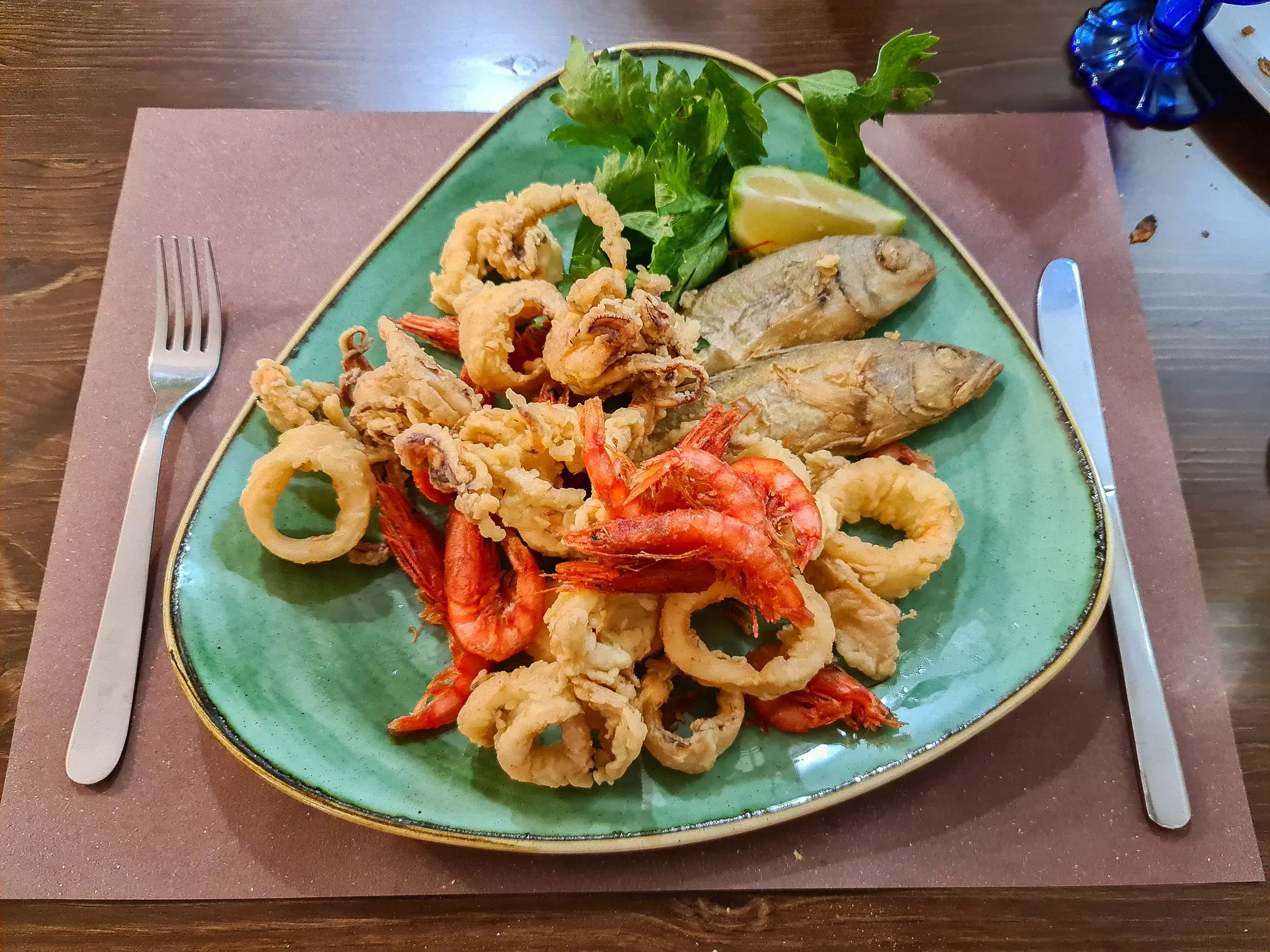
The Sardinian diet primarily consists of vegetables, fruits, beans, legumes, nuts, and whole grains. Their diet also includes seafood; however, it is not highly consumed as other Mediterranean diets. The Sardinians mostly prefer to eat sheep meat and dairy products made from sheep’s milk.
Their traditional dish called “minestrone” comprises various vegetables like carrots, potatoes, onions, celery cooked with beans and pasta or rice. They use olive oil for cooking instead of butter or margarine. Olive oil has been known to reduce inflammation in the body that could lead to chronic diseases such as heart disease and cancer.
One notable aspect of the Sardinian diet is its emphasis on consuming locally sourced food items. This means they rely heavily on seasonal produce grown within their region rather than importing foods from distant locations. As a result, they consume fresh fruits and vegetables that are rich in vitamins and minerals essential for good health.
Another staple food item in Sardinia is bread made from durum wheat flour called “pane carasau.” It is traditionally baked twice so that it becomes crispy and dry which makes it last longer without spoiling quickly. It can be eaten alone or used as a base for many dishes like pizzas or sandwiches.
Italians are famous for their love of pasta dishes; however, in Sardinia, they prepare their version using semolina flour mixed with water instead of eggs like other Italian regions do. The pasta dish served differs depending on each town’s tradition but usually includes tomato sauce with some grated pecorino cheese sprinkled over it.
Cheese plays a significant role in the Sardinian diet as well since most people consume pecorino cheese (made from sheep milk) daily because it is a good source of protein and calcium. It’s used in many dishes like pasta, pizza, or salads.
Sardinians also love their wine and have been making it for centuries using local grapes varieties that grow on the island. Their wines are known to be rich in antioxidants that can protect against heart disease and cancer if consumed moderately (one glass per day).
Many Sardinians still prepare their meals from scratch at home since fast food restaurants are not common on the island. This habit ensures that they eat fresh and healthy foods without preservatives or additives.
The Sardinian diet has been studied extensively by nutritionists worldwide due to its health benefits. One study found that people who follow this diet have lower rates of heart disease, obesity, diabetes, and other chronic conditions associated with modern lifestyles.
In conclusion, the Sardinian diet is an excellent example of how traditional diets can promote good health when followed consistently. With its emphasis on locally sourced fruits and vegetables, olive oil as a primary cooking fat, whole grains like bread made from durum wheat flour “pane carasau,” pecorino cheese as a source of protein, moderate consumption of wine rich in antioxidants; the Sardinian diet offers a range of nutritional benefits for those looking for healthier eating options.

Leave a Reply