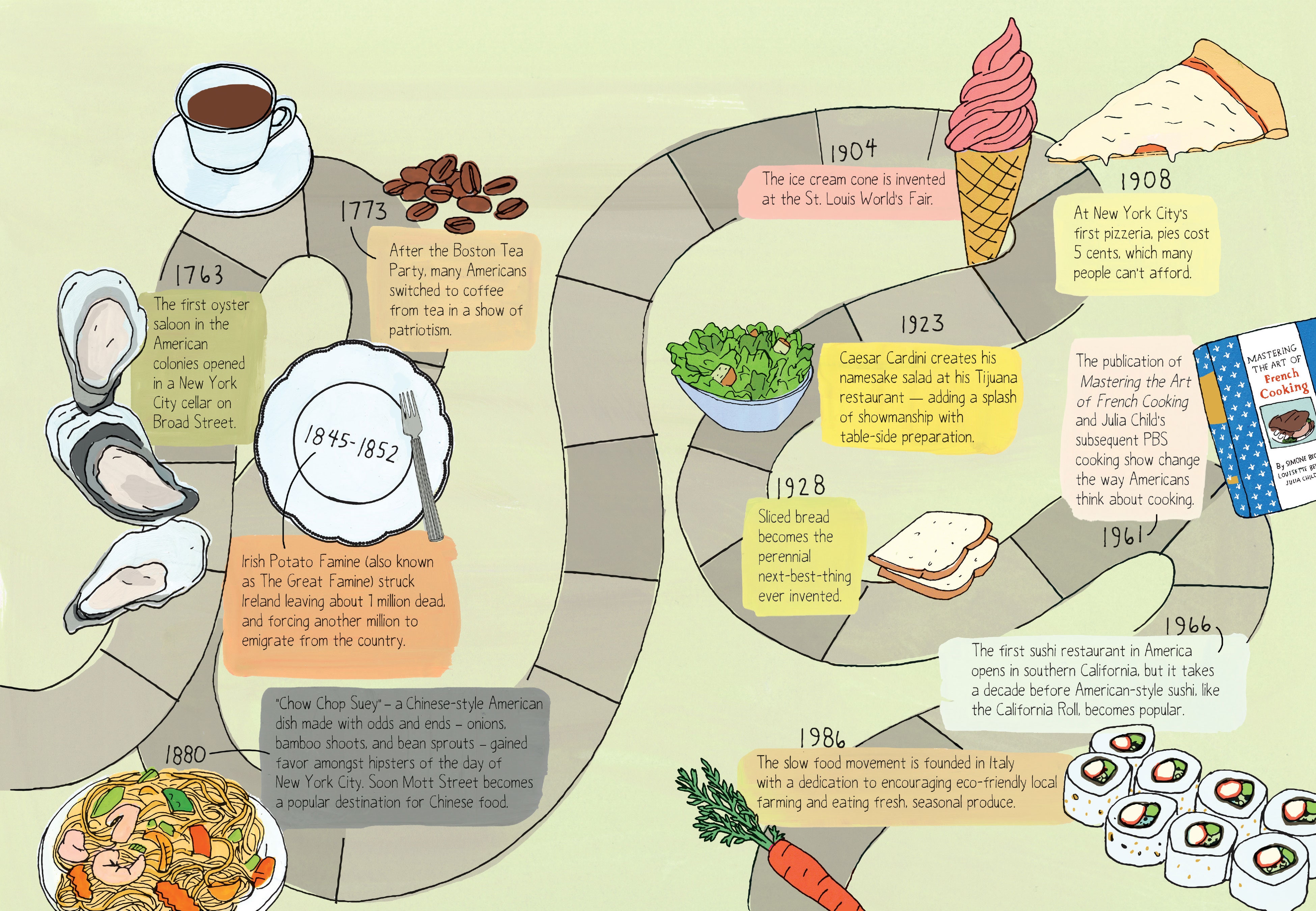
History is a fascinating subject that can provide insight into why we eat the way we do today. From ancient civilizations to modern times, food has been an important aspect of culture and society. In this article, we will explore some key moments in history that have influenced our eating habits.
Ancient Egypt
One of the oldest recorded civilizations, Ancient Egypt was known for its advanced society and impressive architectural achievements. But did you know that they were also pioneers in agriculture? The Nile River provided fertile land for crops, and Egyptians grew grains such as wheat and barley. They also raised animals like cattle, sheep, and goats for milk and meat.
The Egyptians believed in a balanced diet that included vegetables like onions, garlic, and leeks as well as fruits like figs and dates. They also used spices like cumin and coriander to add flavor to their dishes.
Ancient Greece
The Greeks valued physical fitness and believed that a healthy body led to a healthy mind. Food played an important role in their philosophy of wellness – athletes were encouraged to eat simple foods like bread, cheese, honey, and fruit.
While the common people ate mostly vegetable-based dishes with little meat or fish involved due to economic reasons; wealthy Greeks enjoyed more elaborate meals with exotic ingredients such as oysters from the Mediterranean Sea.
Roman Empire
The Romans conquered much of Europe during their reign between 27 BC to 476 AD. Their influence on food culture is still felt today – many modern-day foods originated from Roman recipes!
Romans loved feasts which often lasted for hours at time where roasted meats (especially pork), seafood (such as oysters), vegetables (like artichokes) would be served along with wine mixed with water or honeyed spiced wine called Mulsum
Middle Ages
During the Middle Ages in Europe (between the 5th century until around 1500), there was limited access to fresh produce since it wasn’t always possible to grow it in the harsh winters. This meant that people had to rely on preserved food like salted meat and fish, as well as dried fruits and vegetables.
Spices became a sought-after commodity during this time, with traders bringing them from far-off lands such as India and Asia. The upper classes enjoyed lavish meals featuring exotic spices like cinnamon, cloves, nutmeg, and ginger.
Industrial Revolution
The Industrial Revolution (1760-1840) marked a significant shift in the way we produce and consume food. Advances in technology made it possible to mass-produce goods at lower costs which made it cheaper for ordinary citizens to buy meat products for the first time.
However, this also led to unhealthy eating habits – fast food restaurants began popping up around cities offering quick but low-nutrient value burgers or fries that would quickly fill you up without providing any real nutrients or nourishment.
Modern Times
Finally, we reach modern times where health-conscious movements have become more prevalent than ever before! With an abundance of knowledge about nutrition available online or through books; people are now seeking healthier alternatives when consuming food. Many are adopting plant-based diets for ethical reasons while others are turning towards organic produce free from pesticides.
In conclusion
Food has played a vital role throughout human history – shaping cultures, economies and even politics while providing sustenance for our bodies. As the world continues to evolve so do our eating habits which is why understanding our past can help us make better choices about what we eat today!

Leave a Reply