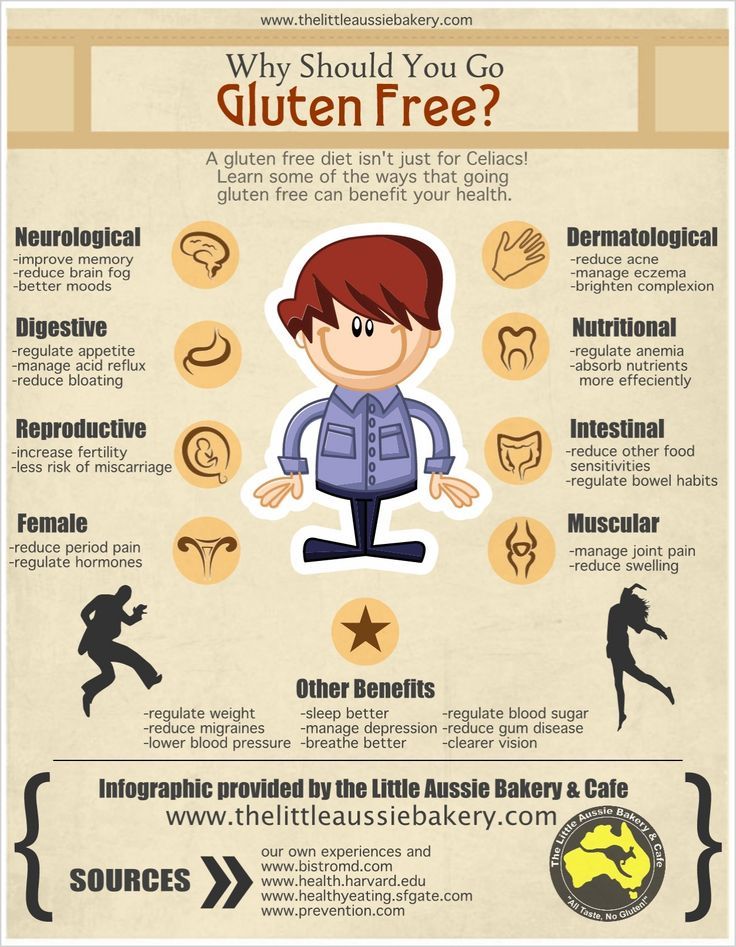
As more and more people are becoming health-conscious, the demand for gluten-free foods is on the rise. Gluten is a protein found in wheat, barley, rye, and other grains. It can cause digestive problems for some people or trigger an immune response that damages the small intestine. In this article, we’ll explore some of the benefits of gluten-free options and how they can help you achieve your healthy eating goals.
One of the most significant advantages of going gluten-free is that it eliminates many processed foods from your diet. Foods like bread, pasta, crackers, and baked goods are often high in calories and low in nutrients. By cutting out these items from your diet, you’re left with a range of whole foods to choose from that are rich in vitamins and minerals.
Gluten-free diets also have been shown to improve digestion for those who have celiac disease or gluten sensitivities. Symptoms such as bloating, gas, constipation or diarrhea may be relieved when following a strict gluten-free diet plan.
Another benefit of choosing gluten-free options is weight management. A study published by BMC Medicine found that individuals who followed a long-term gluten-free diet lost more weight than those who didn’t follow one at all; however further research needs to be conducted on this topic before drawing definitive conclusions about its efficacy.
Moreover, several studies show that consuming too much processed sugar can lead to inflammation throughout the body which increases our risk for chronic diseases like type 2 diabetes or heart disease – both conditions which celiac patients are already at greater risk for developing than individuals without any autoimmune diseases . By choosing naturally occurring sugar sources rather than highly processed ones containing added sugars (like corn syrup), you’re able to limit inflammation in your body while still satisfying your sweet tooth!
There’s no reason why flavor should be sacrificed when opting for gluten free alternatives! From quinoa bowls topped with fresh vegetables to savory lentil soups and hearty salads featuring roasted sweet potatoes or butternut squash, the possibilities are endless when it comes to hearty and flavor-packed gluten-free recipes.
Gluten-free options can be found in many grocery stores nowadays making them a convenient choice for those who are always on-the-go. Options like rice cakes, gluten-free granolas, popcorn, nuts/seeds or fresh fruits/veggies can make great snacks throughout the day.
While there are many benefits to going gluten-free including improved digestion, weight management and lower inflammation levels in the body; it’s important to note that not all individuals need to eliminate gluten from their diet. Those with celiac disease should strictly avoid gluten-containing products as even small amounts of this protein can trigger an immune response. Individuals with non-celiac gluten sensitivity may also benefit from a low-gluten diet plan but should consult their healthcare provider before making any significant dietary changes.
In conclusion, incorporating more whole foods into your diet by opting for naturally occurring sugar sources and consuming fewer processed foods is always a good idea! By choosing healthy options like quinoa bowls or lentil soups instead of breads and crackers containing added sugars – you’re able to limit inflammation while still enjoying delicious meals!

Leave a Reply