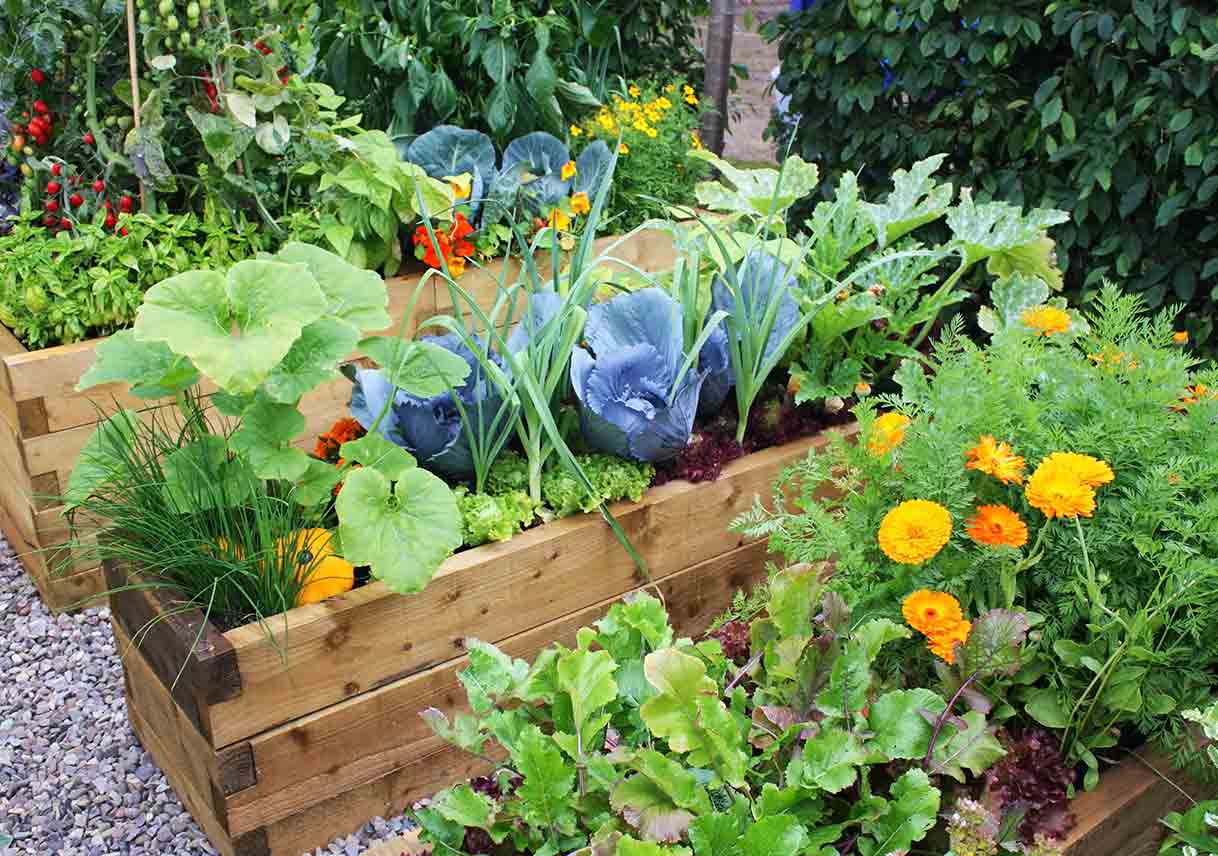
Edible landscaping is a great way to beautify your garden while also producing fresh, healthy food for you and your family. It’s a sustainable and eco-friendly practice that is becoming increasingly popular among homeowners and gardeners.
Here are eight tips on how to incorporate edible landscaping into your garden:
1. Start Small
If you’re new to gardening or just starting with edible landscaping, it’s best to start small. Begin by planting a few herbs or vegetables in pots or raised beds. This will allow you to experiment with different plants and learn what works best for your soil type, sunlight exposure, and climate.
2. Choose the Right Plants
When choosing plants for your edible landscape, consider not only their aesthetic appeal but also their practicality as food sources. Some popular options include fruit trees like apple or cherry trees, berry bushes like raspberry or blueberry bushes, herbs like basil or thyme, and vegetables like tomatoes or peppers.
3. Mix it Up
Don’t be afraid to mix ornamental plants with edible ones! Incorporating flowers such as lavender can add color and fragrance while also attracting pollinators like bees and butterflies which can help increase yield from nearby vegetable crops.
4. Consider Companion Planting
Companion planting involves growing two or more crops together that benefit each other by repelling pests naturally instead of using harmful chemicals – this technique reduces the need for pesticides therefore contributing positively towards our environment . For example: Marigolds planted around tomato plants will deter nematodes (microscopic worms) that damage roots; basil grown near tomatoes enhances flavor while keeping away aphids; beans grown alongside corn provide natural support whilst fixing nitrogen into the soil.
5. Use Containers
If you don’t have enough space in your yard for a full-fledged garden bed, consider using containers instead! You can grow most fruits and vegetables in containers if they have adequate drainage holes at the bottom – plus they are portable and can be moved into the sun or shade as needed.
6. Incorporate Edible Landscape Design Elements
Incorporating design elements like paths, trellises, and water features can add interest to your edible landscape while also providing practical benefits. For example: a trellis covered in climbing beans not only looks beautiful but saves space by growing upward instead of outward; a small pond or fountain can help retain moisture for nearby plants.
7. Plan for Year-Round Harvests
To achieve year-round harvests, plan your garden layout carefully so that you have crops maturing at different times throughout the year. This will ensure that you always have fresh produce available to pick and eat!
8. Practice Sustainable Gardening
Edible landscaping is all about sustainability! Take care of your soil by using organic fertilizers such as compost or animal manure instead of synthetic ones which are harmful to soil organisms; conserve water by installing drip irrigation systems that deliver water directly to plant roots rather than spraying leaves which wastes water through evaporation; use natural pest control methods such as hand-picking insects or introducing beneficial organisms like ladybugs who feed on pests.
Edible landscaping is an excellent way to beautify your yard and provide fresh food for you and your family while also being environmentally conscious – it’s a win-win situation! By following these eight tips, you’ll be well on your way to creating a sustainable edible landscape in no time!

Leave a Reply