Diabetes Management and Prevention: A Comprehensive Guide
Diabetes is a chronic medical condition that affects millions of people worldwide. It occurs when the body fails to produce enough insulin or use it effectively, leading to high blood sugar levels. Fortunately, diabetes can be managed and prevented through proper diet, exercise, medication, and lifestyle changes.
In this comprehensive guide, we will provide you with practical tips on how to manage diabetes and prevent its onset.
1. Know your numbers
The first step in managing diabetes is knowing your blood sugar levels. Regular monitoring of blood glucose levels can help you track progress towards achieving target goals set by your healthcare provider.
2. Follow a healthy diet
A balanced diet rich in fruits, vegetables, whole grains, lean proteins such as chicken breast or fish can help keep blood sugar levels stable while providing essential nutrients for good health. Avoid processed foods high in added sugars or unhealthy fats such as trans-fat.
3. Exercise regularly
Regular physical activity helps lower blood sugar levels by increasing insulin sensitivity and improving glucose uptake into cells for energy production. Aim for at least 150 minutes per week of moderate-intensity aerobic exercise like brisk walking or cycling.
4. Take medications as prescribed
If prescribed medication by a healthcare provider it is important to take them exactly as instructed even if you are feeling well- Medications may include oral tablets or injections that help regulate blood sugar levels.
5. Manage stress
Stress can cause spikes in blood sugar levels; therefore try relaxation techniques such as deep breathing exercises or meditation to reduce stressors where possible.
6.Limit alcohol intake
Alcohol consumption may lead to low blood glucose (hypoglycemia) episodes which could be dangerous if not managed properly; furthermore excessive drinking over time may increase the risk of developing type 2 diabetes.
7.Quit smoking
Smoking increases the risk of developing type 2 diabetes due to its negative effects on insulin resistance – therefore quitting smoking is highly recommended for people with diabetes.
8. Get enough sleep
Sleep deprivation can lead to elevated blood sugar levels and insulin resistance; aim for 7-9 hours of restful sleep each night.
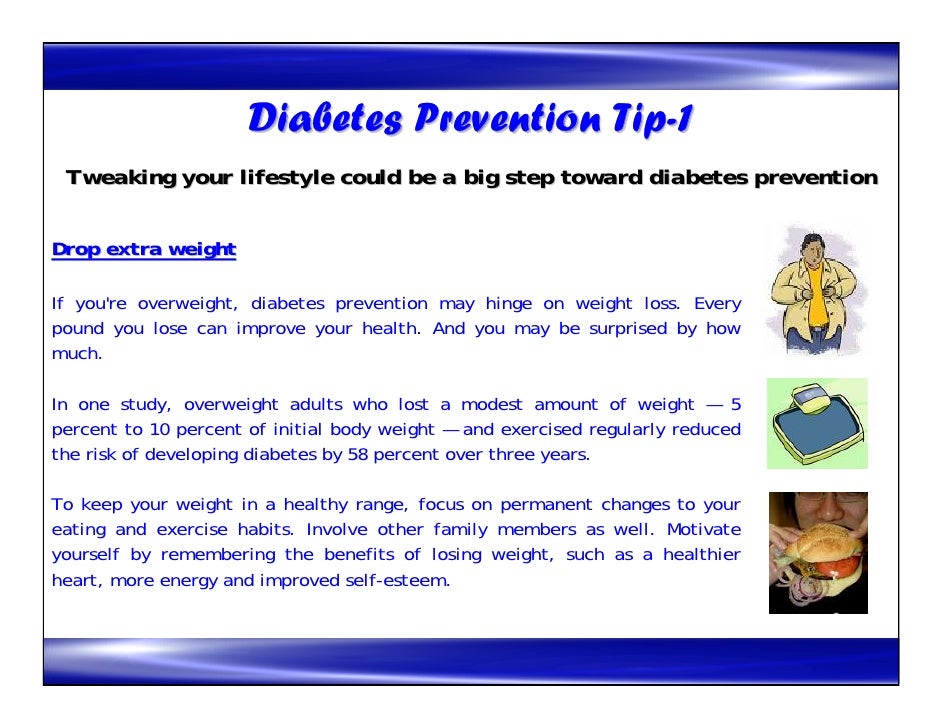
9. Maintain a healthy weight
Being overweight or obese puts you at higher risk of developing type 2 diabetes and other related conditions such as heart disease, high blood pressure, or stroke. Losing weight through proper diet and exercise can help prevent these conditions from occurring while managing diabetes.
10. Regular check-ups
Regular health checks are essential in managing and preventing the onset of diabetes- This includes annual physical exams, regular eye checkups, foot exams to ensure no nerve damage has occurred, kidney function tests amongst others.
In conclusion, Diabetes management requires a combination of interventions that include maintaining a healthy lifestyle by eating nutritious food, exercising regularly, taking medications as prescribed by your healthcare provider if necessary, reducing stressors where possible whilst getting enough restful sleep each night . Prevention measures involve making similar lifestyle adjustments such as being physically active on a regular basis while limiting alcohol intake and smoking cessation efforts when applicable. By following these simple guidelines one can effectively manage their symptoms or prevent them from presenting altogether thereby living an overall healthier life.

Leave a Reply