In today’s world, where food is readily available at our fingertips, the idea of fasting may seem like a foreign concept. However, it’s not a new idea; it has been practiced for centuries as part of religious and cultural traditions. Recently, extended fasting has gained popularity among health enthusiasts as a way to improve overall health and wellbeing.
Extended fasting refers to abstaining from food for an extended period of time – typically 24 hours or more. It can be done intermittently or consecutively over several days or weeks.
While some people may view this practice with skepticism due to concerns about malnutrition or starvation mode, research suggests that extended periods without food can have significant benefits for the body.
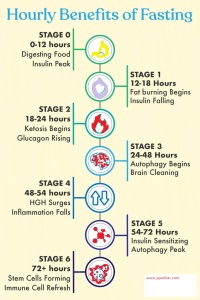
One immediate effect of extended fasting is weight loss. When we fast, the body turns to stored fat cells as its primary source of energy instead of glucose from carbohydrates in our diet. This process leads to a drop in insulin levels and increases production of growth hormone which encourages the body to burn fat while preserving muscle mass.
Moreover, studies suggest that intermittent fasting cycles such as alternate-day fasting (ADF) or time-restricted feeding (TRF) could help prevent chronic diseases such as diabetes and heart disease by reducing inflammation and oxidative stress levels in the body.
One study published in Cell Metabolism journal showed that ADF improved insulin sensitivity in healthy individuals who were overweight or obese. The participants lost around 4% of their body weight over eight weeks without restricting calories on non-fast days.
Another study published in Nutrients suggested that TRF could reduce blood pressure levels by decreasing oxidative stress levels and improving endothelial function – a fancy term for how well your blood vessels function – which ultimately reduces cardiovascular risk factors.
Additionally, prolonged periods without food have been shown to increase autophagy- cell renewal mechanism through which damaged cells are eliminated leading to healthier tissue regeneration which also lowers cancer risks if done regularly
However, it’s important to note that extended fasting isn’t suitable for everyone, particularly those with underlying health conditions such as diabetes or pregnant women. You should always consult your healthcare provider before embarking on any type of fast.
There are different methods of extended fasting, including water-only fasts and partial fasts where certain foods such as fruits or vegetables are allowed. It’s essential to be mindful of hydration during a fast and ensure you’re drinking enough fluids to avoid dehydration.
Moreover, it’s crucial to break the fast slowly by introducing easily digestible foods gradually like bone broth or soups. This will help prevent indigestion and other digestion-related issues that may arise from consuming solid food too soon after a prolonged period without eating.
In conclusion, extended fasting has gained popularity in recent years due to its potential health benefits. While research suggests that it could benefit weight loss, improve insulin sensitivity, reduce inflammation levels in the body and protect against chronic diseases when done correctly; it is not suitable for everyone.
It’s important first to speak with your doctor about whether this practice is right for you before starting an extended-fast program. Furthermore, maintaining adequate hydration and breaking the fast slowly are essential components of any successful prolonged fasting regimen. With proper preparation and guidance from a qualified healthcare practitioner, some individuals may find that extended fasting can provide significant benefits towards their overall health and wellbeing.

Leave a Reply