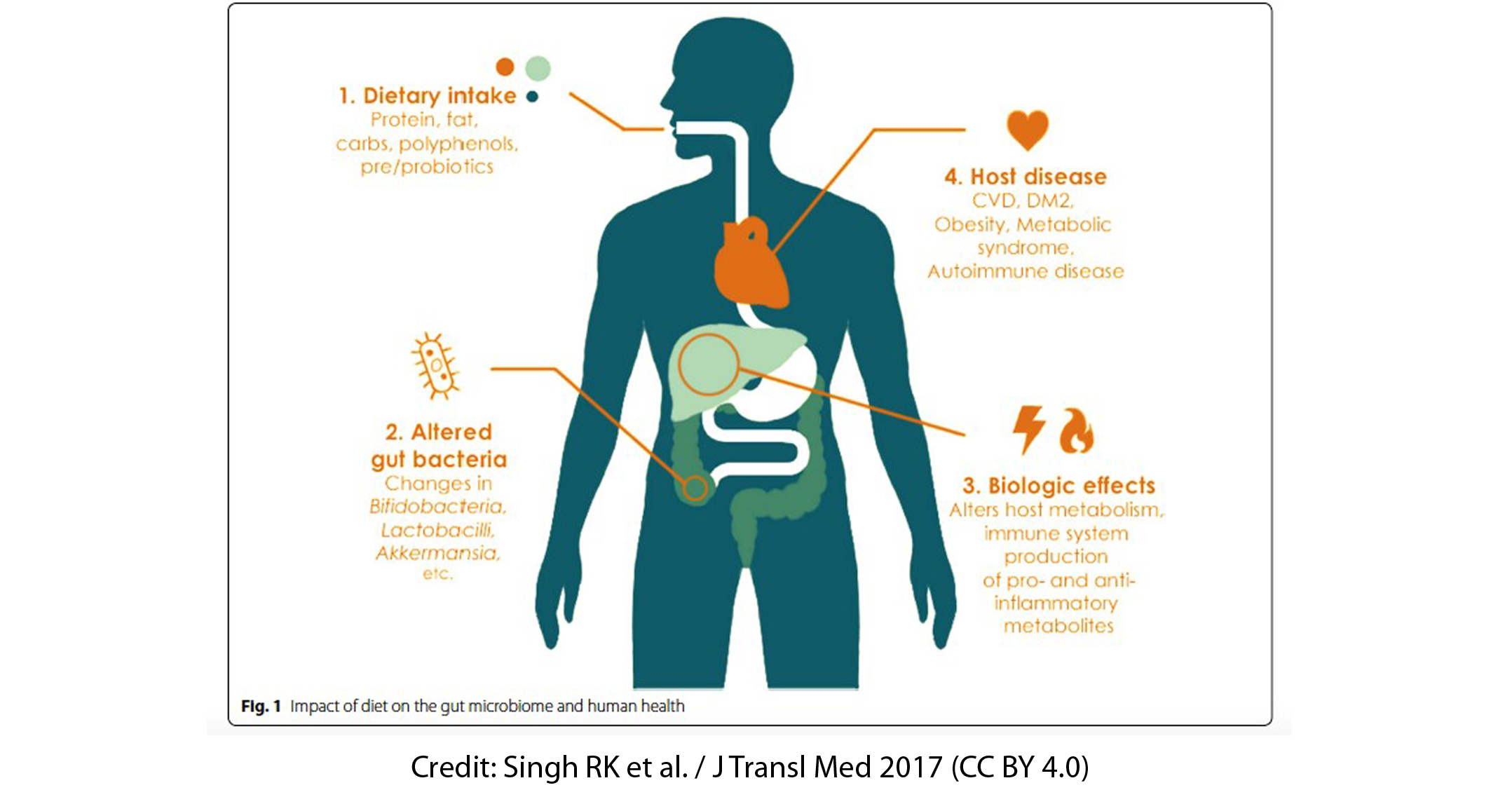
As we become more conscious of our health and well-being, gut health has come to the forefront of discussions about weight loss. The idea that a healthy gut can lead to weight loss is not new, but it has gained significant attention in recent years. In this retrospective style post, we will take a look at how our understanding of gut health and its connection to weight loss has evolved over time.
The concept of gut health dates back centuries when Hippocrates famously proclaimed that “all disease begins in the gut.” However, it wasn’t until recently that scientific research began shedding light on how our digestive system affects other areas of our body, including weight management. Studies have shown that having a diverse microbiome (the collection of microorganisms living within us) is linked to lower body fat percentage and better metabolic function.
One theory behind this link is that certain types of bacteria in our guts are better at breaking down foods for energy than others. When we consume foods high in fiber or prebiotics (which feed the good bacteria), these beneficial microbes thrive and produce short-chain fatty acids (SCFAs). SCFAs help regulate appetite hormones like leptin and ghrelin while also reducing inflammation throughout the body.
Another way our gut influences weight management is through its impact on insulin sensitivity. Insulin helps regulate blood sugar levels by allowing glucose from food to enter cells for use as energy. However, when cells become resistant to insulin’s effects (often due to chronic inflammation), glucose accumulates in the bloodstream leading to type 2 diabetes and obesity. Some studies suggest that certain strains of bacteria can improve insulin sensitivity by reducing inflammation within the body.
So how can we optimize our gut health for weight loss? Eating a diet rich in fiber-rich fruits and vegetables along with probiotic-rich fermented foods like yogurt or kefir can help support a healthy microbiome. Additionally, avoiding processed foods high in refined sugars or unhealthy fats can reduce inflammation and improve insulin sensitivity. Finally, staying active and getting enough sleep can also positively impact gut health.
In conclusion, our understanding of how gut health impacts weight loss has greatly evolved in recent years. By supporting a diverse microbiome through diet and lifestyle choices, we may be able to achieve lasting weight management success.

Leave a Reply