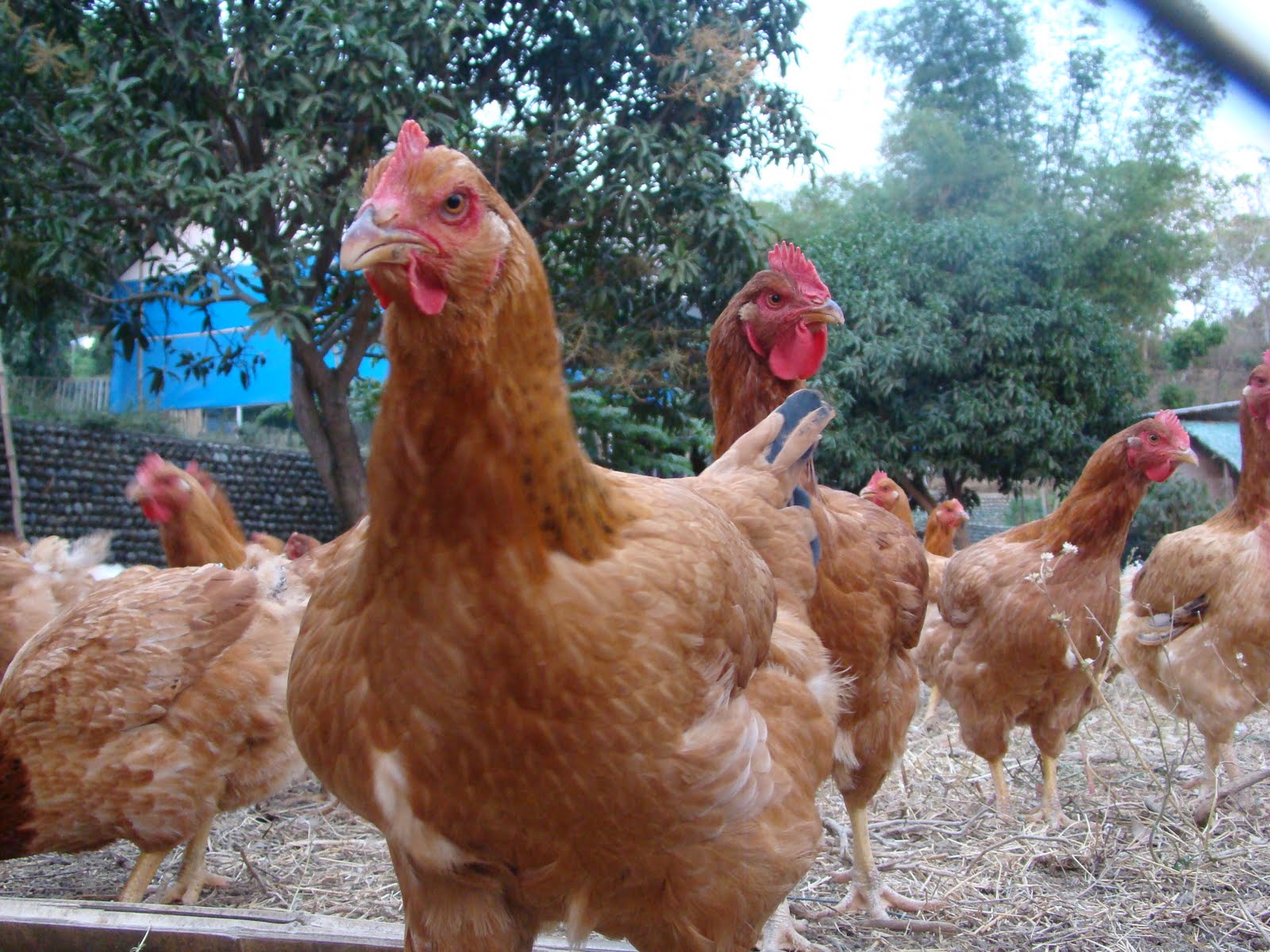
In recent years, there has been a growing trend towards free-range poultry and eggs. Many consumers are concerned about the welfare of animals and the quality of their food. Free-range products have become increasingly popular as they are perceived to be healthier, more ethical, and better for the environment.
Free-range poultry and eggs come from birds that have access to outdoor space where they can roam around freely. This is in contrast to conventional farming methods where chickens are kept in cramped conditions with limited space to move around. The idea behind free-range farming is to provide a more natural environment for the birds, which promotes their health and wellbeing.
One of the main benefits of free-range poultry and eggs is that they contain fewer chemicals than conventionally farmed products. Because free-range birds have access to outdoor space, they can eat a more varied diet which includes insects, grasses, and other plants. This means that their meat and eggs are often richer in nutrients such as vitamins A and E, Omega-3 fatty acids, and antioxidants.
Another advantage of free-range farming is that it is considered more humane than conventional farming methods. Birds have more freedom to move around which reduces stress levels compared to those confined in cages or overcrowded barns. Some studies also suggest that free-range chickens may have stronger immune systems due to exposure to sunlight and fresh air.
Despite these advantages, there are some criticisms of free-range farming methods too. One issue is that it requires more land than conventional farming because birds need outdoor space for grazing or roaming around freely. This means it can be expensive for farmers who want to adopt this method but don’t have enough land available.
Another criticism concerns animal welfare standards on some farms claiming “free range” status but not upholding high standards; thus depriving consumer confidence over whether what’s labelled ‘free range’ truly matches up with reality.
Furthermore,the cost per dozen eggs or per kilogramme/pound weight tends to be more expensive due to the increased cost of free-range farming practices. Some argue that these prices are not affordable for low-income families who may opt for cheaper, conventionally farmed products instead.
In conclusion, free-range poultry and eggs have several benefits over conventional methods. They are healthier, more humane, and better for the environment. However as with all things there is a trade-off between quality/health and cost. While some consumers are willing to pay extra for these products, others may find them too expensive or question whether they can trust labeling standards due to lack of transparency. Ultimately it’s up to each individual consumer to weigh up the pros and cons before making their purchasing decisions based on personal values priorities in terms of animal welfare, health benefits and environmental sustainability factors involved in supporting free range farming practices.

Leave a Reply