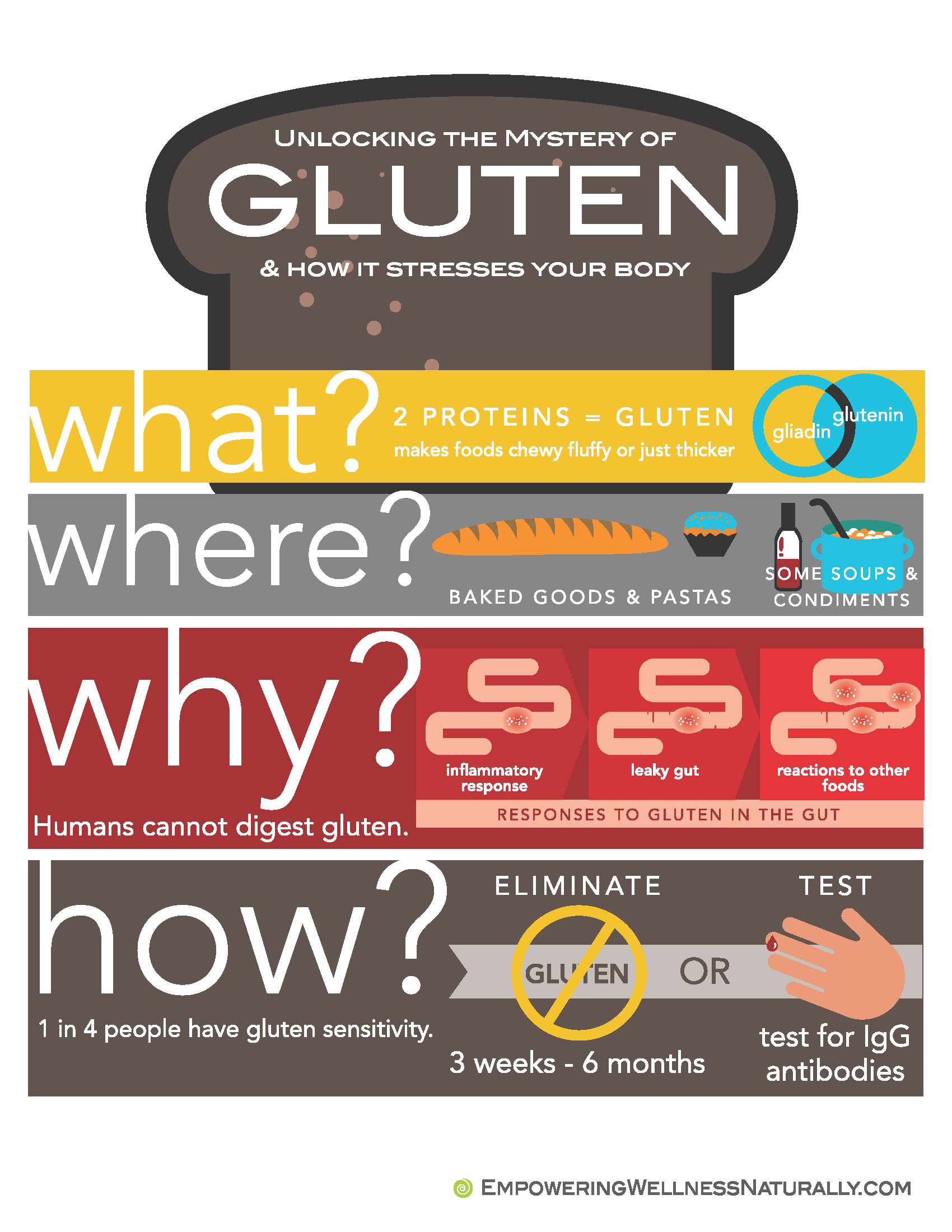
Gluten Sensitivity: Separating Fact from Fiction
Gluten sensitivity has become a buzzword in the world of healthy eating. But what is gluten, and why are so many people avoiding it? Gluten is a protein found in wheat, rye, and barley. It gives dough its elasticity and helps it rise.
For some people, consuming gluten can cause an adverse reaction. The symptoms vary but can include bloating, abdominal pain, diarrhea, constipation, fatigue and brain fog. This condition is called Non-Celiac Gluten Sensitivity (NCGS), which affects up to 13% of the population.
However, there is also a lot of misinformation surrounding NCGS. Some people believe that gluten-free diets can promote weight loss or improve overall health. However, research shows that this is not always the case unless you have celiac disease or NCGS.
Moreover, eliminating gluten from your diet without consulting with a doctor or registered dietician may lead to nutrient deficiencies since many processed foods contain added vitamins and minerals that are essential for optimal health.
In conclusion, if you suspect that you have NCGS or want to try a gluten-free diet for personal reasons; please talk to your healthcare provider before making any significant changes to your dietary habits.

Leave a Reply