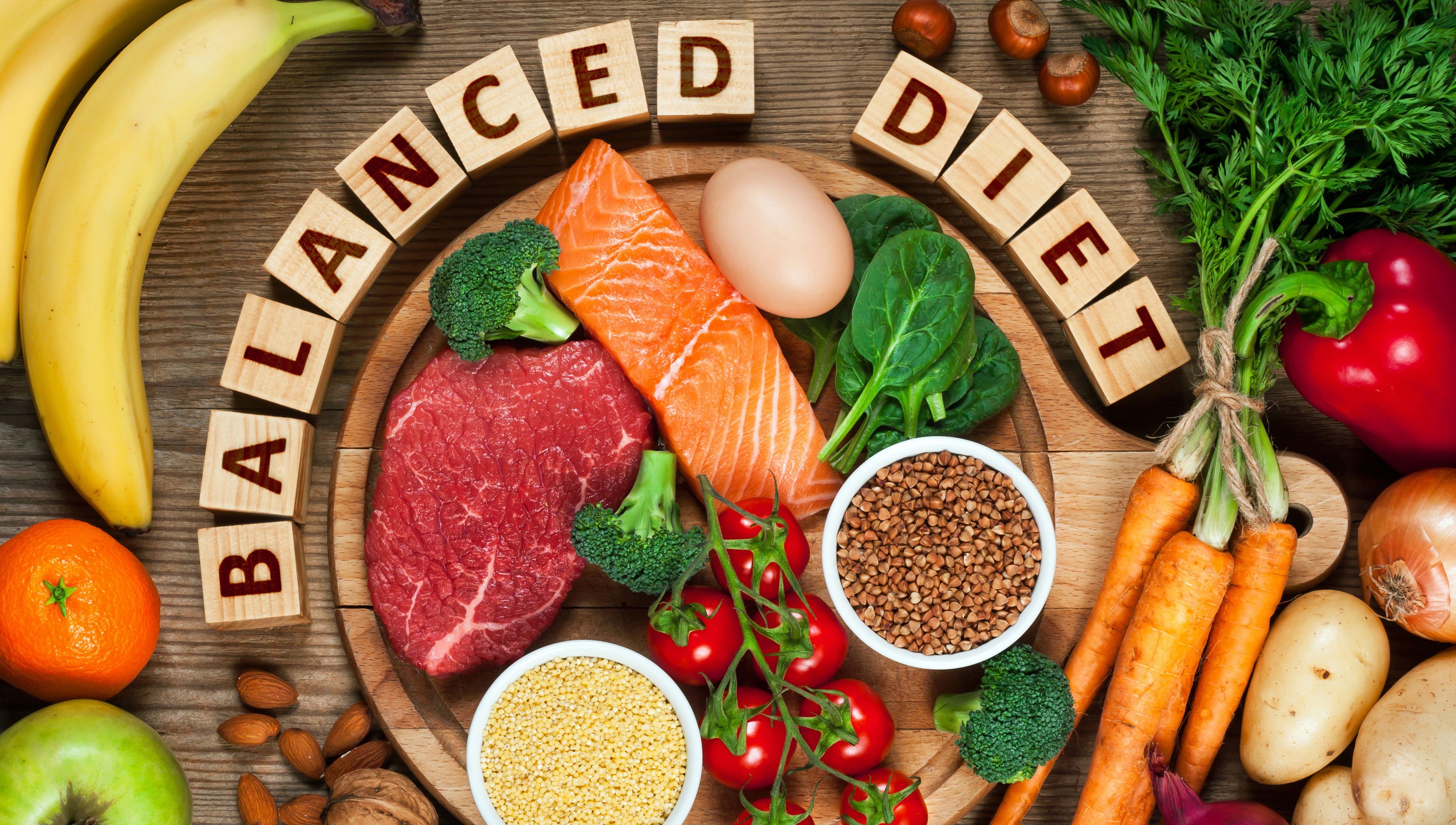
Healthy Eating: The Importance of a Balanced Diet
Eating a balanced and healthy diet is important for maintaining good health. A well-balanced diet provides the body with all the necessary nutrients that it needs to function properly. It helps to maintain a healthy weight, reduces the risk of chronic diseases, and improves overall wellbeing.
A balanced diet should include foods from all food groups in appropriate portions. These food groups include fruits, vegetables, grains, protein foods, dairy products or their alternatives. Each group has its own specific benefits.
Fruits and Vegetables
Fruits and vegetables are rich sources of vitamins, minerals, fiber and antioxidants that help to protect against chronic diseases such as heart disease and cancer. It is recommended that adults consume at least five servings of fruits and vegetables each day.
Grains
Grains provide carbohydrates which are an essential source of energy for our bodies. Whole grain foods such as brown rice, whole wheat breads or cereals have more nutrients than refined grains like white breads or pastas.
Protein Foods
Protein is essential for growth and repair of tissues in our bodies including muscles and organs; it also helps to support immune system function. Good sources include lean meats like chicken or turkey breast without skin; fish or seafood; beans; nuts or seeds.
Dairy Products
Dairy products contain calcium which is required for strong bones along with other essential nutrients like Vitamin D that help with absorption of calcium in the body. Low-fat milk or yoghurt are good choices while cheese should be eaten in moderation due to its high fat content.
Tips For Maintaining A Balanced Diet
1) Eat a variety of different colored fruits & veggies – this ensures you’re getting different vitamins & minerals.
2) Choose whole-grain carbohydrates – these provide fibre which helps keep us full & aids digestion.
3) Focus on lean proteins such as chicken breast – they’re lower in saturated fats.
4) Use good fats like olive oil, nuts or avocado to cook with.
5) Limit high-fat, high-sugar or highly processed foods.
Benefits of Eating a Well-Balanced Diet
1) Improved Energy Levels
When you eat a well-balanced diet, your body receives the nutrients it needs to produce energy. This means that you will have more energy throughout the day which can help improve productivity and exercise performance.
2) Reduced Risk of Chronic Diseases
A balanced diet helps reduce the risk of chronic diseases such as heart disease, diabetes, and some types of cancer. It also promotes healthy cholesterol levels and blood pressure.
3) Weight Management
Eating a balanced diet can help manage weight by providing essential nutrients without overloading on calories. Maintaining a healthy weight reduces the risk for obesity-related health problems such as Type 2 Diabetes and cardiovascular disease.
4) Improved Mental Health
Research has found that there is a link between eating habits and mental wellbeing. A well-balanced diet can contribute to improved mood and reduced stress levels.
Conclusion
In conclusion, eating a balanced diet is critical in promoting overall health & wellbeing. Remember to include all food groups in appropriate portions while limiting unhealthy foods; aim to make most meals at home using fresh ingredients so you know what’s going into your meals! Making small changes in your daily routine could go a long way towards achieving these goals so start making those healthier choices today!

Leave a Reply