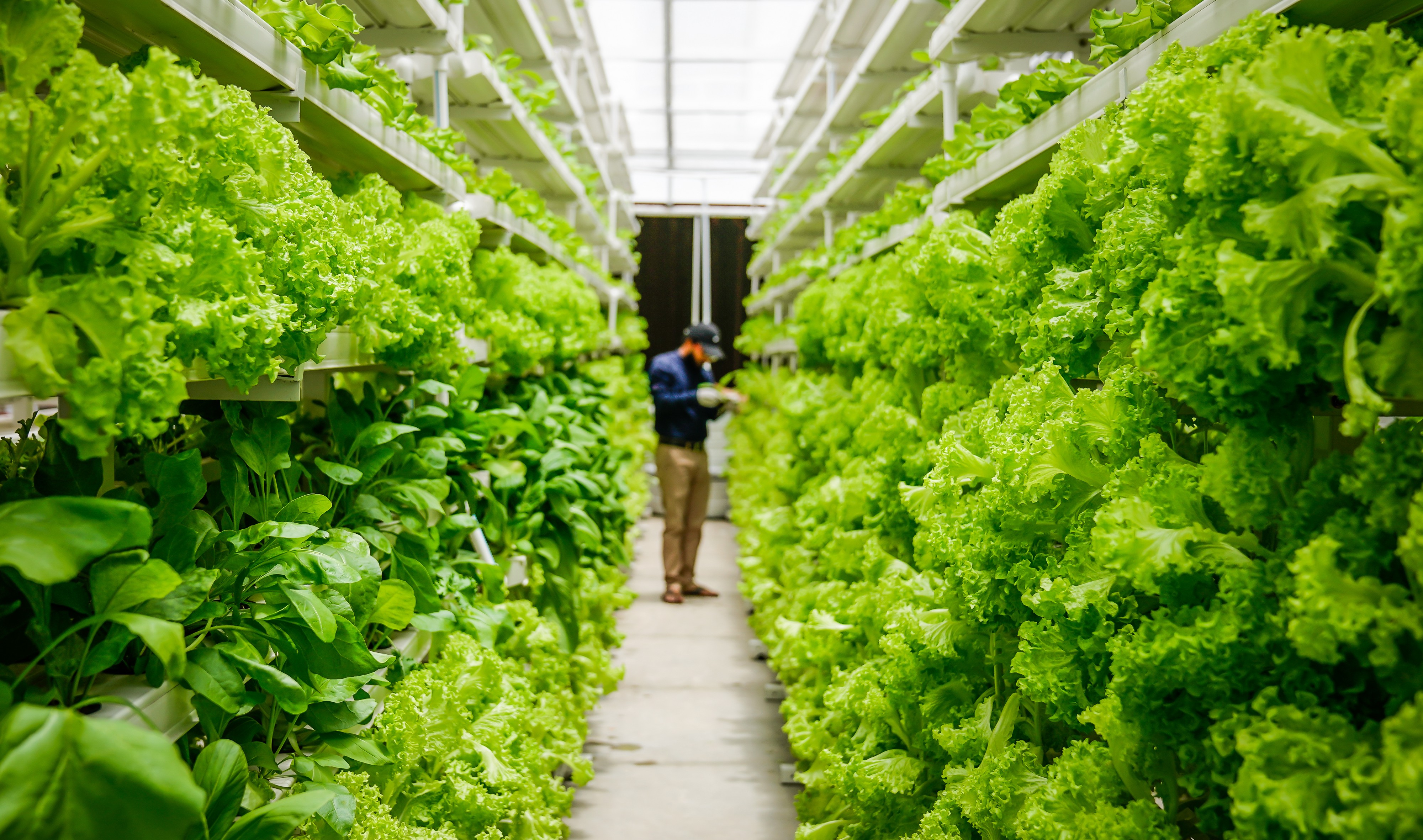
Sustainable Agriculture: The Future of Healthy Eating
In today’s world, where the demand for food is increasing at an unprecedented rate due to a growing population and changing dietary habits, it has become imperative to adopt sustainable agriculture practices. Sustainable agriculture is a system that produces food in an environmentally friendly and socially responsible way, while also ensuring profitability for farmers and their communities.
The benefits of sustainable agriculture are numerous. First and foremost, it helps preserve the natural resources that are essential for farming- soil, water, air quality, biodiversity. By using techniques like crop rotation, cover cropping, reduced tillage or no-till farming methods instead of harmful chemical pesticides and fertilizers that pollute soil and waterways; farmers can maintain fertility levels without harming the environment.
Moreover, sustainable agriculture promotes the use of renewable energy sources such as wind or solar power which reduce greenhouse gas emissions (GHG) by reducing dependence on fossil fuels. In addition to this positive impact on the environment reducing GHGs also contributes positively to global warming mitigation efforts.
Sustainable agriculture also ensures better working conditions for farm laborers who often work in harsh environmental conditions with little protection from harmful pesticides or unsafe machinery. It provides them with safe working conditions through various measures such as providing training on safety protocols or requiring protective gear during work activities.
Another key advantage of sustainable agricultural practices is its ability to foster long-term economic stability among farmers & local communities while simultaneously supporting regional economies through increased sales of locally grown produce which drives job creation contributing positively towards overall socio-economic development goals.
So how does one achieve sustainability in farming? It starts by adopting agroecological approaches that focus on enhancing ecosystem services rather than solely focusing on crop yields. Agroecology refers to scientific principles applied in designing agricultural systems based on ecological models that integrate biological diversity into production systems while minimizing negative impacts like pollution caused by conventional industrialized agriculture methods.
One example of agroecological practice being implemented worldwide is the use of cover cropping. Cover crops are plants grown in between growing seasons that help build soil fertility by fixing atmospheric nitrogen, reducing erosion and nutrient leaching, and suppressing weeds. They also provide habitat for beneficial insects such as bees or butterflies which contributes positively to pollination efforts.
Another agroecological practice is crop rotation whereby different types of crops are planted in a sequence over several years instead of relying on monoculture- single crop production system. Crop rotation improves soil health, reduces pest pressure, and increases biodiversity while delivering higher yields per unit area than monocultures.
No-till farming is another sustainable agriculture technique used globally today where minimal disturbance to the soil occurs during planting and harvesting activities unlike traditional methods that require extensive plowing or tilling. No-till minimizes erosion while preserving moisture levels in soils promoting plant growth throughout the year.
Finally, there’s an increasing trend towards organic farming practices that avoid synthetic fertilizers or pesticides altogether preferring natural alternatives like composting manure from livestock operations or using biological pest control methods such as predators like ladybugs instead of chemical pesticides. Organic foods have been proven healthier due to lower levels of toxic residues compared with conventional practices making this method highly popular among consumers seeking healthy eating options.
In conclusion, sustainable agriculture has emerged as a critical driver for achieving food security amidst changing climate patterns coupled with population growth pressures. It offers significant advantages ranging from preserving natural resources to creating job opportunities within local communities while supporting regional economic development goals.
By adopting sustainable agricultural practices like agroecology principles – cover cropping, crop rotation & no-till techniques along with organic farming methods; farmers can ensure long-term viability for themselves & their surrounding communities contributing positively towards overall socio-economic development goals while providing healthy eating options for people across the globe!

Leave a Reply