Raw Food Diets: A Memoir
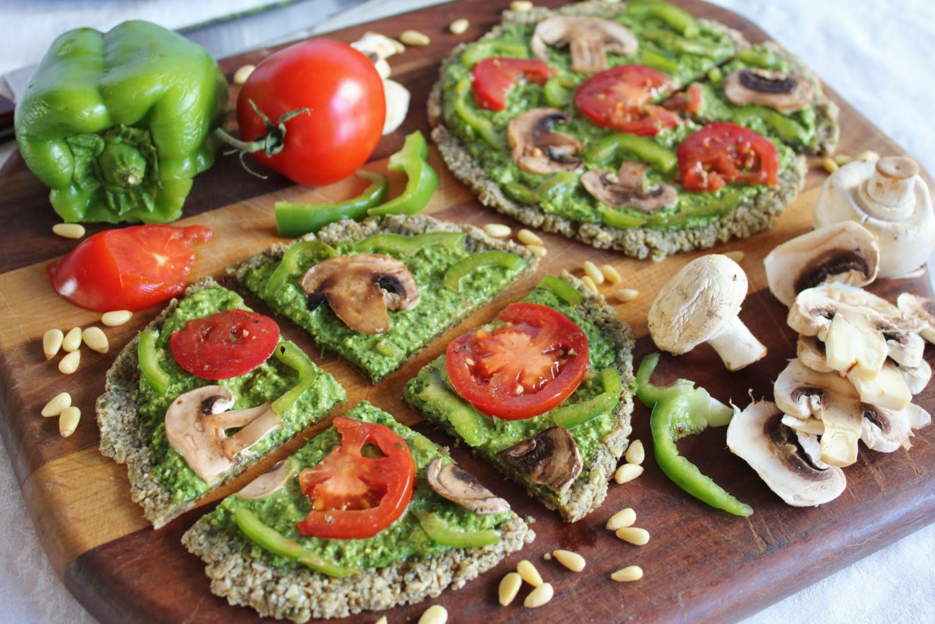
As someone who has experimented with various diets and lifestyles over the years, I must say that raw foodism is one of the most intriguing and transformative experiences I’ve had. Raw foodists consume uncooked and unprocessed fruits, vegetables, nuts, seeds, sprouts, and fermented foods in their natural state. The philosophy behind this lifestyle is that cooking destroys essential nutrients and enzymes in foods that are necessary for optimal health.
I first became interested in raw foodism after reading several books by proponents of this diet. They claimed that it could help reverse chronic diseases such as diabetes, heart disease, arthritis, and even cancer. While I was skeptical at first – how could eating only raw foods be healthy? – I decided to give it a try for a month to see if there were any noticeable benefits.
The first week was tough because I had to change my entire way of eating. Instead of grabbing a sandwich or ordering takeout for lunch, I had to prepare my meals from scratch using fresh produce. However, as time went on, I found myself becoming more creative in the kitchen as I experimented with new recipes and flavors.
One thing that surprised me about this lifestyle was how much energy I had throughout the day. Before going raw vegan (which means no animal products), I used to experience afternoon slumps where all I wanted to do was take a nap. But after switching to a high-raw diet (meaning mostly raw but some cooked foods), those dips in energy disappeared entirely.
Another benefit of following a raw food diet is weight loss. Since most fruits and vegetables are low in calories but high in fiber – which keeps you feeling full longer – it’s easy to shed excess pounds without feeling deprived or hungry all the time.
However, there are also some drawbacks to consider before jumping into any new lifestyle change blindly. One potential issue with raw veganism is that it can be challenging to get all the necessary nutrients your body needs. For example, vitamin B12 – which is essential for nerve function and red blood cell production – is only found in animal-based foods or fortified plant-based products.
Another potential downside of eating raw food exclusively is that it can be time-consuming and expensive to prepare meals from scratch. Plus, some people may find it difficult to stick with this diet long-term if they miss cooked foods or social situations where eating raw isn’t an option.
In conclusion, while I’m not a strict raw foodist anymore (I now follow a mostly plant-based diet), my experience with this lifestyle taught me a lot about nutrition and how food affects our bodies. If you’re curious about trying out raw veganism, I’d recommend starting slow by incorporating more fresh produce into your meals and gradually phasing out processed foods. Always listen to your body’s signals and consult with a healthcare professional if you have any concerns about nutrient deficiencies or other health issues.

Leave a Reply