Antioxidants are substances that help protect your cells from damage caused by free radicals. Free radicals are unstable molecules produced in our body as a result of natural processes like metabolism, and also as a result of environmental factors like pollution, smoking, and radiation. When free radicals accumulate in the body, they can cause oxidative stress which is linked to many chronic diseases like cancer, heart disease, and diabetes.
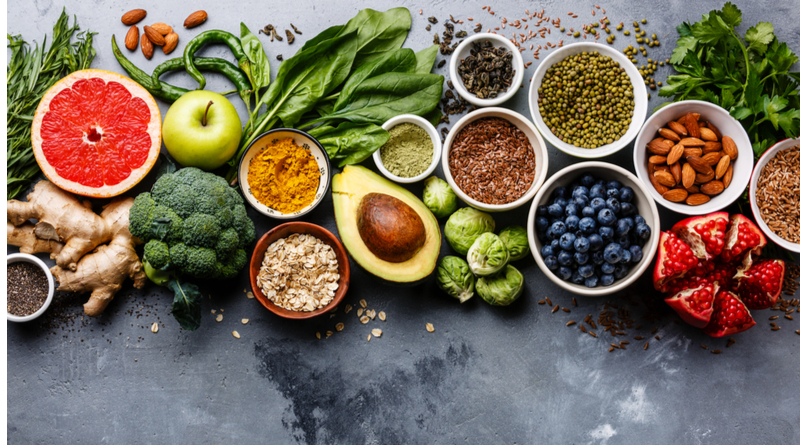
There are several types of antioxidants naturally found in foods that we eat. These include vitamins C and E, beta-carotene, selenium, flavonoids and polyphenols. Foods rich in these nutrients include fruits (berries, citrus fruits), vegetables (spinach, kale), nuts (almonds), seeds (chia seeds) whole grains (oats), legumes (lentils), fish (salmon) and spices such as turmeric.
Vitamin C is one of the most well-known antioxidants that plays an essential role in repairing tissues throughout the body. It helps reduce inflammation within cells while improving skin health by supporting collagen production. Vitamin E works alongside vitamin C to neutralize harmful free radicals before they have a chance to cause damage to cell membranes within the body.
Beta-carotene is another antioxidant found mainly in orange or yellow-colored plants such as carrots or sweet potatoes; it’s converted into vitamin A once consumed by humans. This antioxidant helps maintain healthy vision and immune function.
Flavonoids are natural compounds found primarily in plant-based foods with strong antioxidant properties such as quercetin present in apples or catechins abundant within green tea leaves; these may aid blood vessel dilation while protecting against blood clots formation.
Polyphenols exist commonly among coffee beans; they could offer anti-inflammatory effects along with improved gut health benefits when regularly ingested through coffee consumption on a daily basis.
Eating a diet rich in antioxidants can help prevent oxidative stress which leads to chronic diseases like cancer or heart disease. It’s important to consume a variety of fruits, vegetables, nuts and seeds, whole grains and legumes to ensure adequate intake of these vital nutrients. In addition to diet, getting enough sleep, reducing stress levels through exercise or meditation can also help reduce oxidative stress in the body.

Leave a Reply