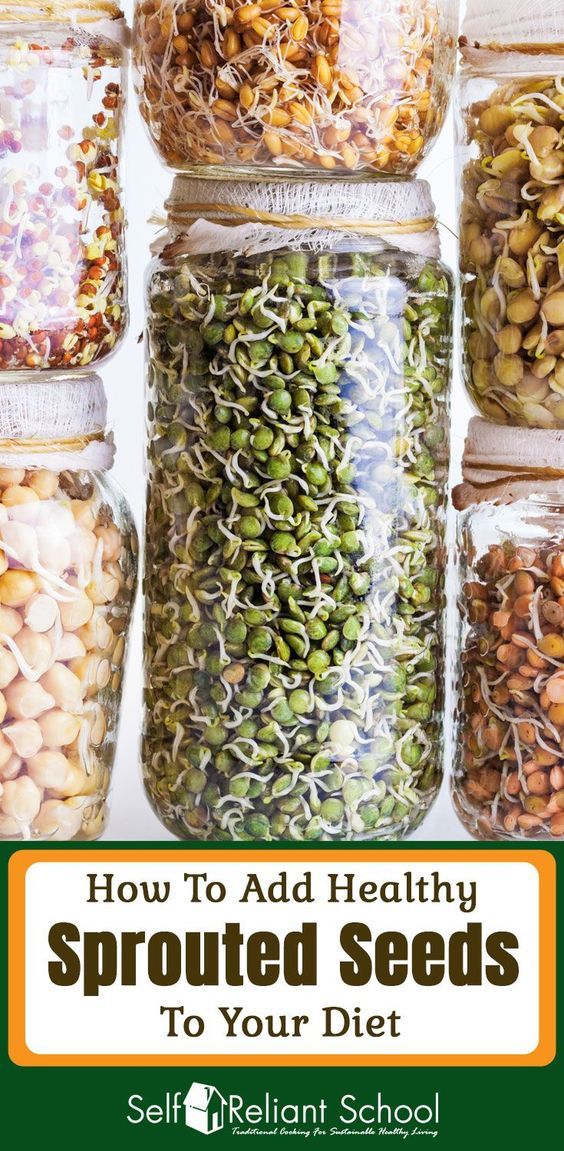
Sprouted plant-based foods have become increasingly popular in recent years, and for good reason. These types of foods offer numerous health benefits and are a great addition to any healthy eating plan.
So, what exactly are sprouted plant-based foods? They are simply plants that have been allowed to sprout before being consumed. This process helps break down the starches and proteins in the plant, making it easier to digest and more nutrient-dense.
Some examples of sprouted plant-based foods include sprouted grains like quinoa or brown rice, as well as legumes like lentils or chickpeas. Sprouts themselves can also be eaten raw or cooked as a tasty addition to salads or sandwiches.
One major benefit of consuming sprouted plant-based foods is their increased nutritional value. The sprouting process increases the levels of vitamins and minerals present in these foods, including vitamin C, folate, iron, and zinc.
Additionally, because they are easier to digest than their unsprouted counterparts, many people find that they experience less bloating or digestive discomfort after consuming sprouted plant-based foods.
Incorporating these types of foods into your diet is easy. Look for them at your local health food store or try growing your own at home with a simple sprouting kit. Whether you add them to meals regularly or enjoy them occasionally as a nutritious snack, there’s no denying the health benefits of incorporating more sprouted plant-based foods into your diet.

Leave a Reply