Introduction
In recent years, there has been an increasing interest in the role of the microbiome in human health. The microbiome refers to the trillions of microorganisms that reside within and on our bodies. These microorganisms include bacteria, viruses, fungi, and other microscopic organisms.
The microbiome plays a critical role in maintaining our health by regulating digestion, immunity, and metabolism. In this post, we’ll explore what the microbiome is and how it affects our health.
What is the Microbiome?
The microbiome refers to all of the microorganisms that reside within and on our bodies. It includes bacteria, viruses, fungi, archaea (single-celled organisms), and other microscopic organisms.
Most of these microorganisms are harmless or even beneficial to us. For example, some bacteria help us digest food while others protect us from harmful pathogens.
However, when there is an imbalance in the composition or diversity of the microbiome (known as dysbiosis), it can lead to various health problems.
How Does the Microbiome Affect Our Health?
The microbiome plays a crucial role in regulating many bodily functions that affect our overall health:
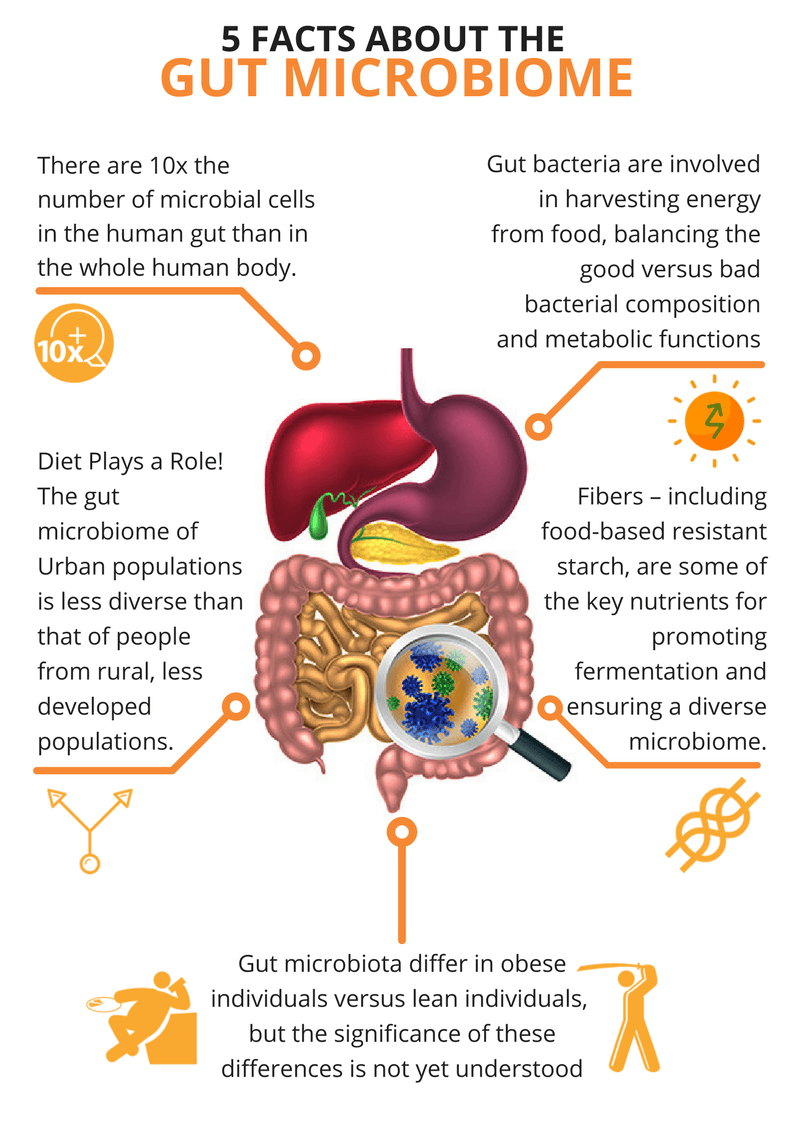
1) Digestion: The gut contains trillions of bacteria that help us digest food and absorb nutrients. When there is an imbalance in gut bacteria (such as after taking antibiotics), it can disrupt digestion leading to digestive issues such as bloating or diarrhea.
2) Immunity: The gut also plays a significant role in regulating immunity since about 70% of immune cells are found within its walls. A healthy gut keeps your immune system balanced so you can fight off infections effectively without overreacting to harmless substances like pollen or dust.
3) Metabolism: Several studies have linked changes in gut bacteria with metabolic disorders such as obesity or type 2 diabetes.
Factors That Influence Your Microbiome
Several factors can affect your microbiota’s composition; some of these factors include:
1) Diet: What you eat can significantly impact your microbiome. Eating a diet high in fiber and plant-based foods promotes the growth of healthy gut bacteria. On the other hand, consuming processed or sugary foods can lead to an imbalance in gut bacteria.
2) Antibiotics: While antibiotics are essential for treating bacterial infections, they also kill off both good and bad bacteria in the gut. Overusing antibiotics can lead to long-term changes in your microbiome.
3) Environment: Exposure to environmental toxins such as pesticides or air pollution can also affect your microbiome’s composition.
4) Stress: Chronic stress has been linked to changes in gut bacteria that may contribute to inflammation and various health problems.
How Can You Improve Your Microbiome?
Maintaining a healthy microbiome is crucial for overall health. Here are some ways you can improve your microbiota’s diversity and function:
1) Eat a healthy diet: Eating whole, plant-based foods rich in fiber promotes the growth of beneficial gut bacteria while reducing inflammation associated with unhealthy diets.
2) Avoid overuse of antibiotics: Only take antibiotics when necessary, and always follow your doctor’s instructions on how to take them correctly.
3) Reduce stress levels: Activities such as meditation or yoga have been shown to reduce stress levels that may disrupt gut bacteria balance.
4) Get enough sleep: Sleep is essential for regulating several bodily functions, including digestion and immunity.
Conclusion
In conclusion, understanding the importance of our microbial communities’ relationship with our bodies is critical for maintaining optimal health. The microbiome plays a significant role not only in digestion but also immune regulation, metabolism regulation, among others. Maintaining its balance by eating whole foods rich in fiber (prebiotics), avoiding unnecessary antibiotic prescriptions (unless medically necessary), reducing stressors like poor sleep hygiene or chronic mental pressure-all help promote optimal microbial diversity within one’s body!

Leave a Reply