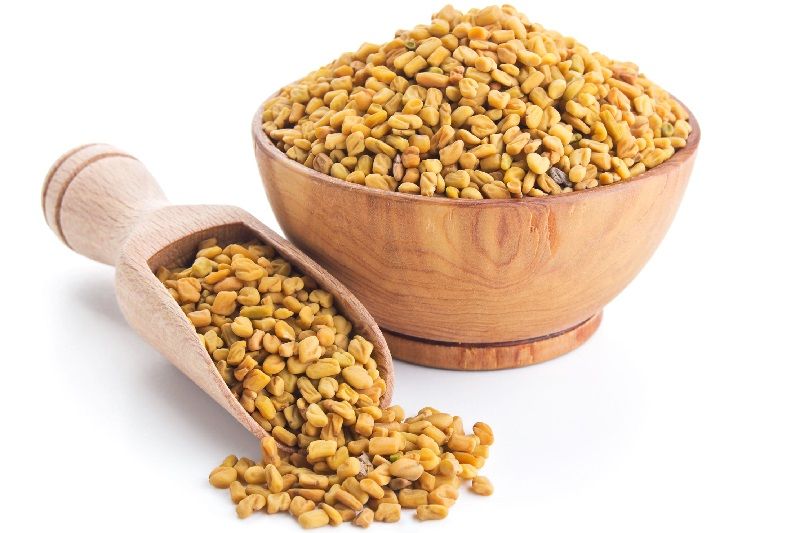
Fenugreek: A Nutritious and Medicinal Herb
Fenugreek, scientifically known as Trigonella foenum-graecum, is a plant that has been used for centuries as food and medicine. It belongs to the family Fabaceae and is native to Southeast Asia and the Mediterranean region. Fenugreek leaves, seeds, and sprouts are widely consumed in various cuisines worldwide due to their rich nutritional content.
Nutritional Profile of Fenugreek
Fenugreek is an excellent source of vitamins, minerals, fiber, and phytonutrients. The following table shows the nutritional profile of one cup (80 grams) of fenugreek seeds:
| Nutrient | Amount |
|————–|———-|
| Calories | 323 |
| Protein | 23 g |
| Fat | 6 g |
| Carbohydrate | 58 g |
| Fiber | 25 g |
| Calcium | 294 mg |
| Iron | 20 mg |
| Magnesium | 191 mg |
| Phosphorus | 356 mg |
Fenugreek seeds also contain other essential nutrients such as potassium, zinc, copper, manganese, selenium, vitamin B1 (thiamine), vitamin B2 (riboflavin), vitamin B3 (niacin), vitamin B6 (pyridoxine), folate (vitamin B9), and vitamin C.
Health Benefits of Fenugreek
1. Regulates Blood Sugar Levels
Fenugreek contains soluble fiber that slows down the absorption of carbohydrates in the bloodstream. This helps regulate blood sugar levels in people with diabetes or insulin resistance. A study published in the Journal of Diabetes Science and Technology found that consuming fenugreek extract before meals reduced postprandial glucose levels in type-2 diabetic patients.
2. Lowers Cholesterol Levels
Fenugreek seeds are rich in saponins, which are compounds that help reduce cholesterol absorption in the gut. This leads to lower LDL (bad) cholesterol levels and higher HDL (good) cholesterol levels. A meta-analysis of 11 randomized controlled trials concluded that fenugreek supplementation significantly reduced total and LDL cholesterol levels.
3. Boosts Digestive Health
Fenugreek seeds have a high fiber content that promotes bowel movement and prevents constipation. They also contain mucilage, a gel-like substance that soothes inflammation in the gut lining and reduces acidity. A study published in the Journal of Ethnopharmacology found that fenugreek seed extract improved symptoms of indigestion, heartburn, and bloating.
4. Enhances Milk Production
Fenugreek is widely used as a galactagogue, which is an agent that increases milk production in lactating women. It contains phytoestrogens such as diosgenin and genistein that mimic the effects of estrogen hormone on breast tissue. A systematic review of six randomized controlled trials found that fenugreek supplementation significantly increased milk volume without any adverse effects on mother or baby.
5. Reduces Inflammation
Fenugreek seeds contain flavonoids such as quercetin and kaempferol, which have anti-inflammatory properties. They inhibit the production of pro-inflammatory cytokines such as TNF-alpha and IL-6, thus reducing inflammation in various parts of the body including joints, skin, and respiratory tract.
6. Improves Male Sexual Health
Fenugreek extract has been shown to improve male sexual health by increasing testosterone levels naturally. Testosterone is a male sex hormone responsible for muscle growth, bone density, sperm production, libido, and mood regulation. A study published in Phytotherapy Research found that fenugreek supplementation for six weeks increased serum testosterone levels and improved sexual function in healthy men.
7. Prevents Cancer
Fenugreek seeds contain compounds such as trigonelline, diosgenin, and galactomannan that have anti-cancer properties. They induce apoptosis (programmed cell death) in cancer cells by inhibiting their growth and proliferation. A study published in the journal Carcinogenesis found that fenugreek seed extract reduced the incidence of colon tumors in rats.
How to Use Fenugreek
Fenugreek can be consumed in various forms depending on its intended use:
– Seeds: Fenugreek seeds are commonly used as a spice or seasoning in Indian, Middle Eastern, and African cuisine. They can be roasted, ground, or soaked before using to enhance their flavor.
– Leaves: Fenugreek leaves are used fresh or dried as a herb in Indian curries, soups, and salads. They have a slightly bitter taste but add a unique aroma to dishes.
– Sprouts: Fenugreek sprouts are rich in vitamins and minerals and can be added to sandwiches, wraps, or salads for an extra crunch.
– Supplements: Fenugreek supplements are available as capsules, tablets, powders or extracts for medicinal purposes. It is recommended to follow the dosage instructions provided by the manufacturer or consult with a healthcare professional before taking any supplements.
Precautions
Although fenugreek is generally safe when consumed within normal dietary amounts, it may cause adverse effects when taken excessively or for prolonged periods. Some possible side effects include:
– Diarrhea
– Bloating
– Gas
– Allergic reactions
– Hypoglycemia (low blood sugar)
– Interference with certain medications (e.g., blood thinners)
Therefore it is important to exercise caution while using fenugreek especially if you have any underlying health conditions or allergies.
Conclusion
Fenugreek is a versatile herb that offers numerous health benefits due to its rich nutritional content and medicinal properties. It is a safe and effective natural remedy for various ailments such as diabetes, high cholesterol, digestive disorders, lactation problems, inflammation, male sexual dysfunction, and cancer prevention. However, it is important to use fenugreek in moderation and consult with a healthcare professional if you have any concerns or questions.

Leave a Reply