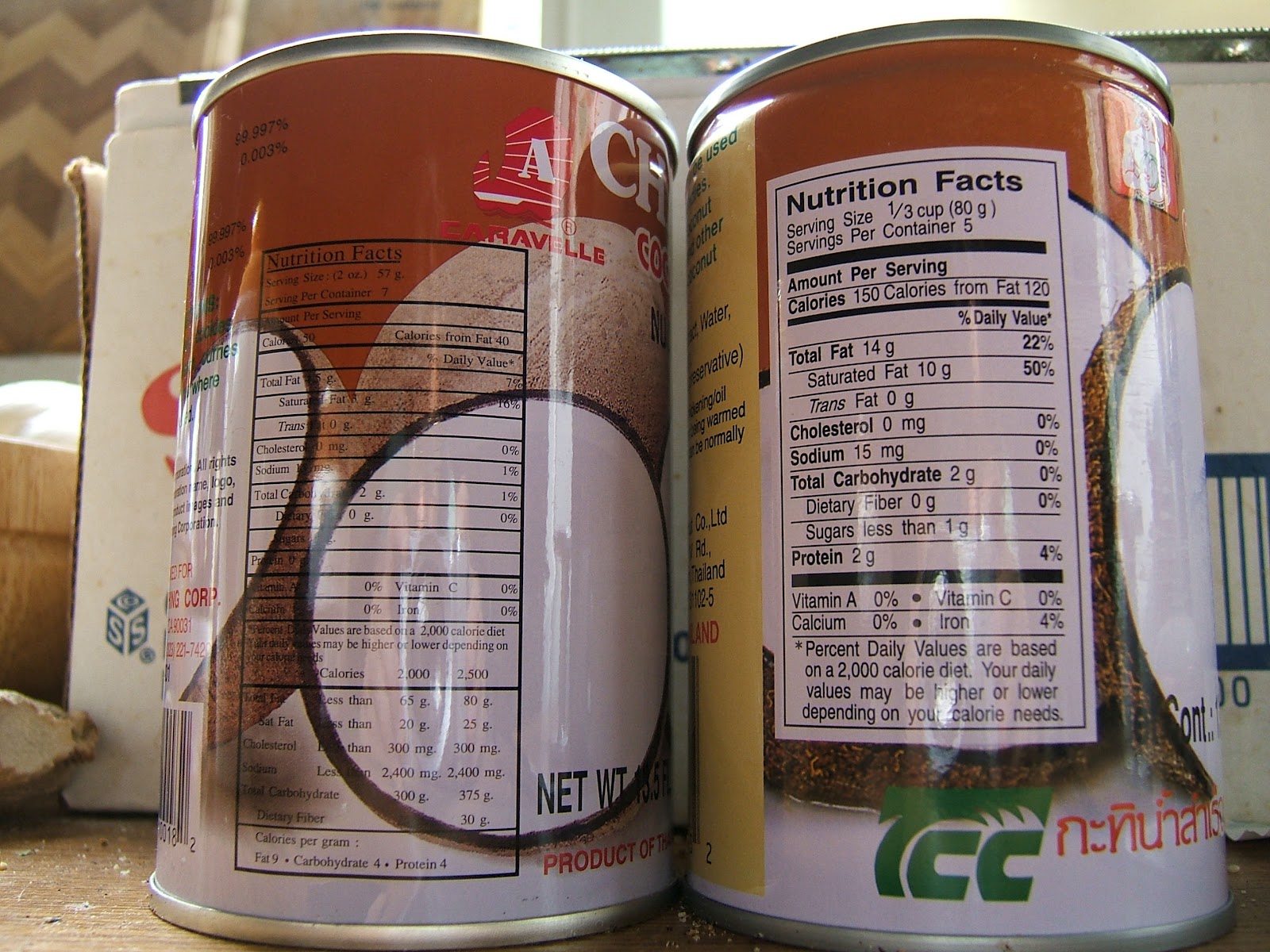
Coconut milk is a creamy, nutty-flavored liquid that has become increasingly popular in recent years as more people seek out plant-based alternatives to dairy products. Made from the meat of mature coconuts, coconut milk is rich in vitamins and minerals and is a staple ingredient in many tropical cuisines.
In this article, we will explore 20 different subtopics related to coconut milk, including its health benefits, traditional uses in Southeast Asian cuisine, differences between canned and fresh varieties, how to make your own at home, vegan cooking with coconut milk, nutritional value compared to other plant-based milks, using it as a base for curries and stews, desserts made with coconut milk and much more.
Health Benefits of Coconut Milk in Tropical Regions
Coconut milk has been used for centuries in tropical regions around the world for its numerous health benefits. One of the most significant benefits of drinking coconut milk is that it contains lauric acid – an antimicrobial fatty acid that can help support immune function by fighting off harmful bacteria and viruses.
Another benefit of consuming coconut milk is that it contains medium-chain triglycerides (MCTs), which are metabolized differently than long-chain fats found in other types of food. MCTs are easily digested by the body and converted into energy rather than being stored as fat. This means that consuming coconut oil or drinking coconut milk may help boost metabolism and promote weight loss.
Finally, studies have shown that consuming foods high in antioxidants like those found in coconuts may help reduce inflammation throughout the body – a key risk factor associated with chronic diseases like arthritis or heart disease.
Traditional Uses of Coconut Milk In Southeast Asian Cuisine
Southeast Asian cuisines such as Thai or Vietnamese use coconut milk extensively throughout their cuisine due to its unique flavor profile and versatility. It serves as a base for many curries such as green curry or Massaman curry where it adds creaminess while balancing out other flavors. Coconut milk is also used in desserts such as Thai sticky rice pudding, Filipino cassava cake or Vietnamese che ba mau.
Differences Between Canned and Fresh Coconut Milk
When it comes to coconut milk, there are two main types – canned and fresh. Canned coconut milk is made by pressing the meat of mature coconuts and then straining the liquid through a fine mesh to remove any solids. This produces a thicker, creamier product that can be stored for longer periods without refrigeration.
Fresh coconut milk, on the other hand, is made by blending grated coconut flesh with water and then straining it to separate the liquid from the solids. The resulting product has a thinner consistency than canned varieties but has a fresher taste due to being less processed.
How To Make Your Own Coconut Milk At Home
To make your own coconut milk at home you will need:
– 1 cup freshly grated unsweetened coconut
– 2 cups hot water
Instructions:
1. Place grated coconut into a blender or food processor.
2. Pour hot water over the top of the grated coconut in the blender/food processor.
3. Blend or process for several minutes until smooth.
4. Strain mixture through cheesecloth or nut-milk bag into a bowl.
5. Squeeze as much liquid out of pulp as possible before discarding leftover pulp.
Coconut Milk-Based Smoothie Recipes For A Healthy Breakfast
Coconut milk makes an excellent base for smoothies due to its creamy texture and sweet flavor profile; here are three delicious recipes that you could try:
1) Tropical Green Smoothie:
– 1/2 cup frozen pineapple chunks
– 1 banana
– 1 handful fresh spinach leaves
– 1/4 cup canned light coconut milk
Blend all ingredients together until smooth.
2) Chocolate Peanut Butter Banana Smoothie:
– 1 banana
– 1 tablespoon natural peanut butter
– 1 tablespoon cocoa powder
– 1/2 cup canned full-fat coconut milk
Blend all ingredients together until smooth.
3) Raspberry Coconut Smoothie:
– 1 cup frozen raspberries
– 1/4 cup canned light coconut milk
– 1/2 cup water or juice of your choice (orange, apple, etc.)
Blend all ingredients together until smooth.
Vegan and Dairy-Free Cooking With Coconut Milk
Coconut milk is an excellent alternative to dairy products for people who are vegan or have lactose intolerance. It can be used in place of cream or milk in many recipes such as soups, curries, and pasta sauces without sacrificing flavor or texture. Some popular vegan dishes that use coconut milk include Thai Tom Kha Gai Soup, Indian Chickpea Curry, and Vegan Alfredo Sauce.
The Role Of Coconut Milk In Caribbean Cuisine
Caribbean cuisine often features coconut milk as a key ingredient due to its tropical origins. One classic dish from the region that uses coconut milk is Jamaican rice and peas. This savory side dish features coconut milk along with kidney beans cooked with spices like thyme and garlic before being mixed with fluffy white rice.
Nutritional Value Of Coconut Milk Compared To Other Plant-Based Milks
Coconut milk has a unique nutritional profile compared to other plant-based milks such as almond or soy milk. While it does contain fewer calories than whole cow’s milk – one serving contains roughly half the number of calories – it also contains more fat per serving than most other plant-based options.
However, unlike saturated fats found in animal products like meat or cheese, the fats found in coconut oil are primarily medium-chain triglycerides which are metabolized differently by our bodies into energy instead of being stored as fat.
Using Coconut Milk As A Base For Curries And Stews
Curries and stews made with coconut milk are a common feature of Southeast Asian and Caribbean cuisines. Coconut milk adds a creamy texture to dishes while also balancing out the flavors of spices like ginger, garlic, and cumin. Some popular recipes that use coconut milk as a base include Thai Green Curry with Chicken or Caribbean Goat Stew.
Coconut Milk-Based Desserts For A Guilt-Free Treat
Coconut milk is an excellent ingredient for making desserts due to its natural sweetness and creaminess. Some popular coconut milk-based desserts include Pina Colada Sorbet, Mango Coconut Rice Pudding, or Vegan Chocolate Mousse.
The Impact Of Climate Change On Global Coconut Production
Climate change can have a significant impact on global coconut production as tropical regions where coconuts grow are often susceptible to extreme weather events such as hurricanes or droughts. Rising sea levels can also lead to saltwater intrusion into coastal soils which can damage crops over time.
Coconut Water Vs Coconut Milk: What’s The Difference?
While many people use the terms “coconut water” and “coconut milk” interchangeably – they are not the same thing. Coconut water is clear liquid found inside young green coconuts while coconut milk is made from mature brown coconuts by blending grated flesh with water then straining it through cheesecloth/nut-milk bag before squeezing out pulp until only liquid remains.
Incorporating Coconut Milk Into Your Daily Diet For Better Health
Incorporating coconut milk into your daily diet can help support healthy immune function thanks to lauric acid present in this beverage. It’s also beneficial for those looking towards weight loss due to MCTs found in this drink that metabolize differently than other types of fats found in foods like meat or cheese.
Cooking With Light Vs Full-Fat Coconut Milk
When cooking with canned varieties of coconut milk, you will typically come across two different options – light and full-fat versions. While both types can be used interchangeably in most recipes, full-fat coconut milk will provide a creamier texture and richer flavor to dishes than light varieties.
The History And Cultural Significance Of Coconuts In Pacific Islander Communities
Coconuts have played an essential role in the cultures of many Pacific Islander communities for centuries. These versatile fruits were prized for their nutritional value as well as their ability to be used in everything from cooking to building materials.
Gluten-Free Baking With Coconut Flour And Coconut Milk
For those with gluten intolerance or celiac disease, coconut flour is an excellent alternative to wheat flour due to its low-carb content and high fiber content. It can be used in baked goods like bread, muffins or pancakes when mixed with eggs or other binding agents.
How To Store Leftover Canned Or Homemade Coconut Milk Properly
Both canned and homemade coconut milk should be stored properly after use to prevent spoilage. If storing homemade varieties, refrigerate them immediately after making it; they’ll keep fresh for up to four days. Canned versions should be kept at room temperature until opened then transferred into an airtight container before being refrigerated. They can last up six months if unopened but once opened they’ll only remain good quality within 3-5 days.
Environmental Impact Of Mass-Produced Canned Coconut Products
The mass production of canned coconut products has led to concerns about the environmental impact on tropical regions where coconuts grow. Large-scale farming practices may contribute towards soil erosion if not managed correctly leading to deforestation and loss of biodiversity over time.
Coconut Oil Vs Coconut Cream Vs Coconut Butter: Which Is Best?
While all three products come from the same fruit – there are some differences between them mainly concerning fat content/texture which affects how each product performs when cooking/baking etc.; more specifically:
1) Coconut oil is extracted solely from mature coconuts’ meat that has been grated and then pressed to extract the oil. It contains no fiber or protein, making it a good option for high-heat cooking.
2) Coconut cream is made by simmering grated coconut meat in water before straining out the liquid. The resulting product is thicker than regular coconut milk and has a higher fat content, which makes it ideal for use in curries and soups that require a creamy texture.
3) Coconut butter is made from pureed coconut flesh that has been blended until smooth. It can be used as an alternative to dairy-based butter in baking recipes like cookies or cakes.
Using Leftover Pulp From Homemade Coconut Milk In Recipes
If you have leftover pulp after making homemade coconut milk, don’t throw it away! Instead, try using it in recipes like gluten-free pancakes or granola bars. You can also add it to smoothies for extra fiber and nutrition.
In conclusion, there are many different ways to incorporate coconut milk into your daily diet – whether through traditional Southeast Asian dishes or by experimenting with new recipes at home. Whether you prefer canned or fresh varieties of this versatile ingredient – one thing is certain: adding more coconut milk to your meals will help support better health while providing delicious taste experiences along the way.

Leave a Reply