The Environmental Impact of a Vegan Diet
As the world becomes more conscious about environmental issues, there is an increasing need to understand how our dietary choices impact the environment. The vegan diet has been touted as one of the most sustainable and eco-friendly diets out there. In this post, we will explore the environmental impact of a vegan diet.
Reduced Greenhouse Gas Emissions
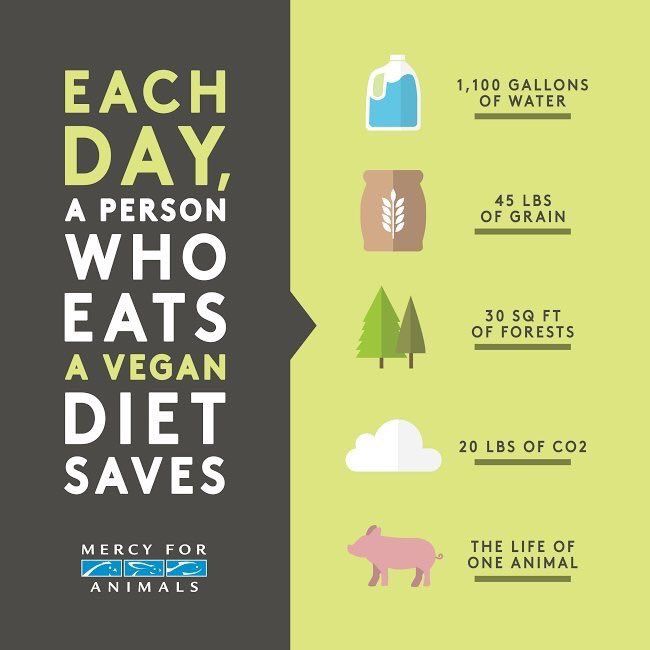
According to a study by Oxford University, food production accounts for around 25% of all greenhouse gas emissions globally. Animal agriculture alone contributes to almost 15% of global greenhouse gas emissions. The primary reason behind this is that livestock farming requires vast amounts of land, water, and energy resources.
On the other hand, plant-based diets are associated with lower greenhouse gas emissions because they require fewer resources compared to animal-based foods. By opting for a vegan diet instead, an individual can reduce their carbon footprint by up to 73%.
Less Land Use
Animal agriculture also requires more land than growing crops for human consumption. Livestock farms require space not just for animals but also for feed production and waste disposal. In contrast, plant-based diets use less land because plants are directly consumed by humans.
A recent study found that if every American switched from eating meat and dairy products to solely plant-based options or vegetarianism would free up about 1 billion acres (4 million square kilometers) of US farmland – nearly four times the size of California.
Conservation Of Water Resources
Water is another critical resource required in large quantities during animal agriculture. From raising cattle on ranches requiring ample water supply daily till processing meat at factories needing significant amounts too; animal agriculture uses significantly more water than growing crops.
For example, it takes approximately 2,500 gallons of water to produce one pound (0.45 kg) of beef while producing one pound (0.45 kg) tofu only needs around 244 gallons- that’s ten times less! Therefore, switching to a vegan diet can contribute significantly to the conservation of water resources.
Less Deforestation
Animal agriculture is also responsible for deforestation as forests are cleared out to create more land for livestock farming. This deforestation contributes not only to climate change but also biodiversity loss and soil erosion.
Deforestation is a significant environmental issue worldwide, especially in developing countries such as Brazil and Indonesia. According to the World Wildlife Fund (WWF), around 80% of the Amazon rainforest’s deforested area has been converted into pastureland for cattle grazing.
In contrast, plant-based diets require less land and have lower chances of contributing to deforestation. Therefore, by opting for a vegan diet, an individual can help curb deforestation globally.
Conclusion
Switching from an animal-based diet to a vegan one isn’t just beneficial health-wise; it’s also great for our planet! Vegan diets are eco-friendly because they require fewer resources than animal-based foods. By being mindful about what we eat, we can all play our part in making this world greener and better.

Leave a Reply