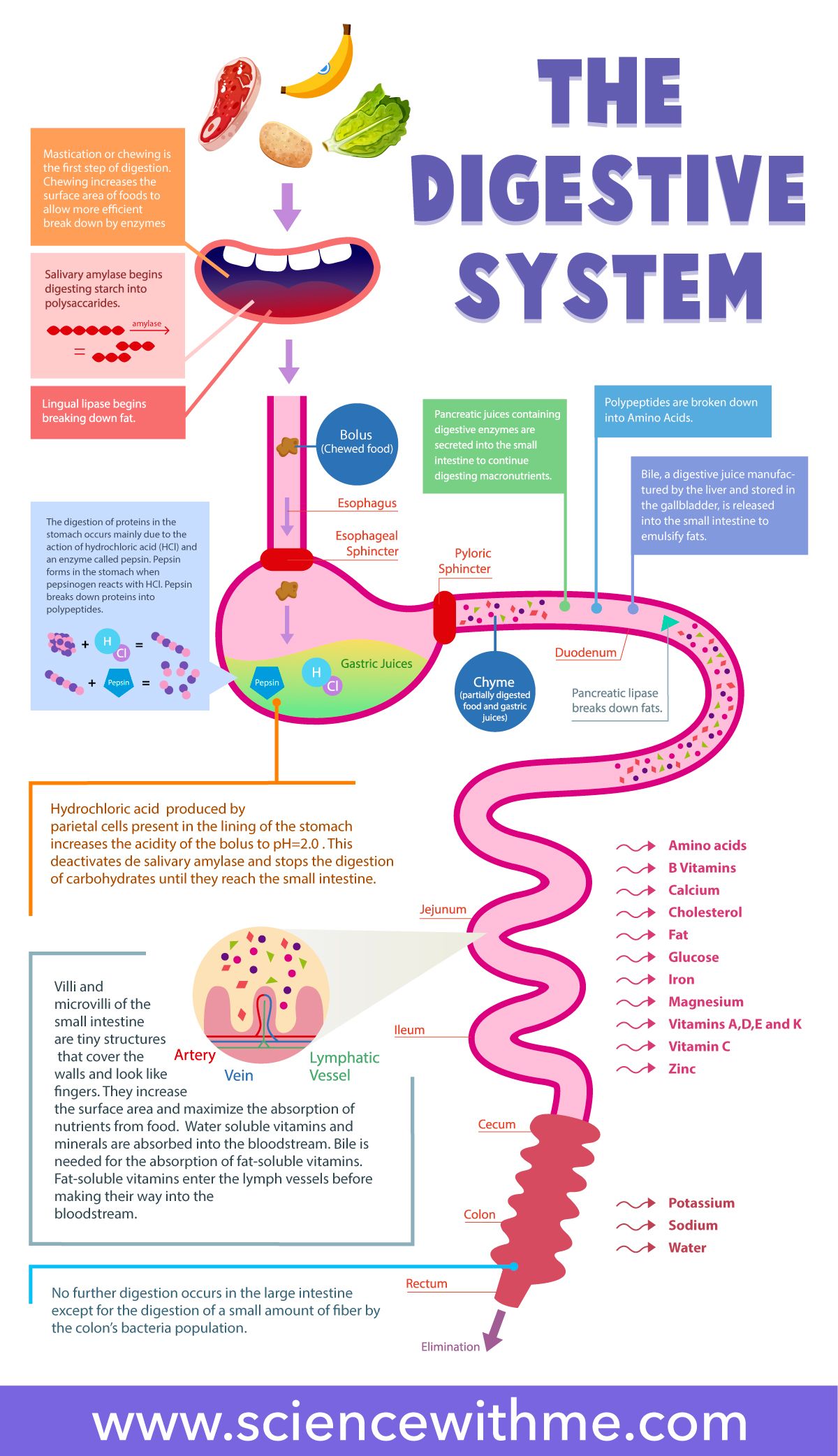
The human digestive system is a complex network of organs and processes that work together to break down the food we eat into nutrients that our bodies can use. It’s responsible for extracting energy from our food, removing waste products, and keeping us healthy overall. Understanding how the digestive system works can help us make better decisions about what we eat and how we care for our bodies.
The Digestive System: An Overview
The digestive system begins with the mouth, where food enters the body. The teeth grind up solid food while saliva moistens it and starts breaking down carbohydrates. From here, food travels through a long tube called the esophagus and into the stomach.
In the stomach, strong muscles churn and mix the contents with acidic gastric juices. This breaks down proteins and kills most bacteria in the food. Once this process is complete, partially digested food exits through another tube called the small intestine.
It’s in your small intestine where most of your digestion takes place. Here enzymes produced by both your pancreas (digestive enzymes) as well as those already present in your intestines will further break down foods so they can be absorbed into your bloodstream or lymphatic system – which are then carried throughout your body to provide nourishment for all cells.
Finally, any remaining undigested material moves on to be processed by large intestine before being eliminated from your body via rectum or anus.
Eating Habits That Support Good Digestion
Maintaining good eating habits is essential when it comes to promoting good digestion. Some tips include:
1) Eat slowly: Eating too quickly means you’re not giving enough time for saliva production which helps start breaking down carbs right off-the-bat!
2) Chew thoroughly: Chewing each bite thoroughly also aids in carb breakdown while making it easier for larger chunks of protein (meats/beans/nuts/seeds etc.) to be broken down once they enter small intestine).
3) Eat nutrient-dense foods: Eating a diet that’s high in fruits, vegetables, whole grains, and lean protein helps your body get all the nutrients it needs while supporting good digestion.
4) Drink plenty of water: Drinking enough water throughout the day ensures you stay hydrated which is crucial for all body functions including proper digestion.
5) Limit processed foods and sugar. Processed foods are often low in fiber and contain added sugars. These can cause digestive problems like bloating, gas or even diarrhea if eaten in excess.
6) Reduce intake of alcohol, caffeine or any other substance known to disrupt digestion
7) Get enough exercise: Exercise promotes healthy bowel movements by stimulating intestinal muscles which help move food along through our system more efficiently!
Common Digestive Issues
Digestive issues can have a significant impact on our quality of life. Here are some common digestive problems we may experience:
1) Constipation – This occurs when stools remain too long in large intestine resulting to hard/dry stools hence difficulty passing bowels.
2) Diarrhea – When food moves too quickly through the digestive system leading to loose watery stool
3) Acid reflux – A condition where stomach acid backs up into the esophagus causing heartburn-like symptoms such as burning pain behind breastbone area or chest discomfort after meals.
4) Bloating & Gas – Often caused by overeating (too much volume), eating specific types of carbohydrates (FODMAPs), drinking carbonated beverages or certain medical conditions such as irritable bowel syndrome (IBS).
5) Irritable Bowel Syndrome (IBS)- Chronic disorder affecting large intestines characterized by abdominal pain/cramping + changes in bowel habits such as constipation/diarrhea alternating with periods of normality
When To Seek Medical Attention
While minor cases of these issues can be addressed with simple lifestyle changes like dietary adjustments, sometimes professional intervention is necessary especially if your symptoms interfere with daily life.
If you’re experiencing severe symptoms like persistent abdominal pain, blood in your stool, or unexplained weight loss, it’s important to seek medical attention as these could be indications of more serious conditions such as Inflammatory Bowel Disease (IBD), Colon Cancer etc.
Conclusion
The digestive system is a complex and essential part of our body that deserves our attention. By eating a healthy diet, staying hydrated and getting enough exercise we can support good digestion which is key for overall health. When digestive issues arise, making simple lifestyle adjustments may be all that’s needed but if symptoms persist or become worse over time it’s best to consult with healthcare professional who will assess whether further tests are necessary.

Leave a Reply