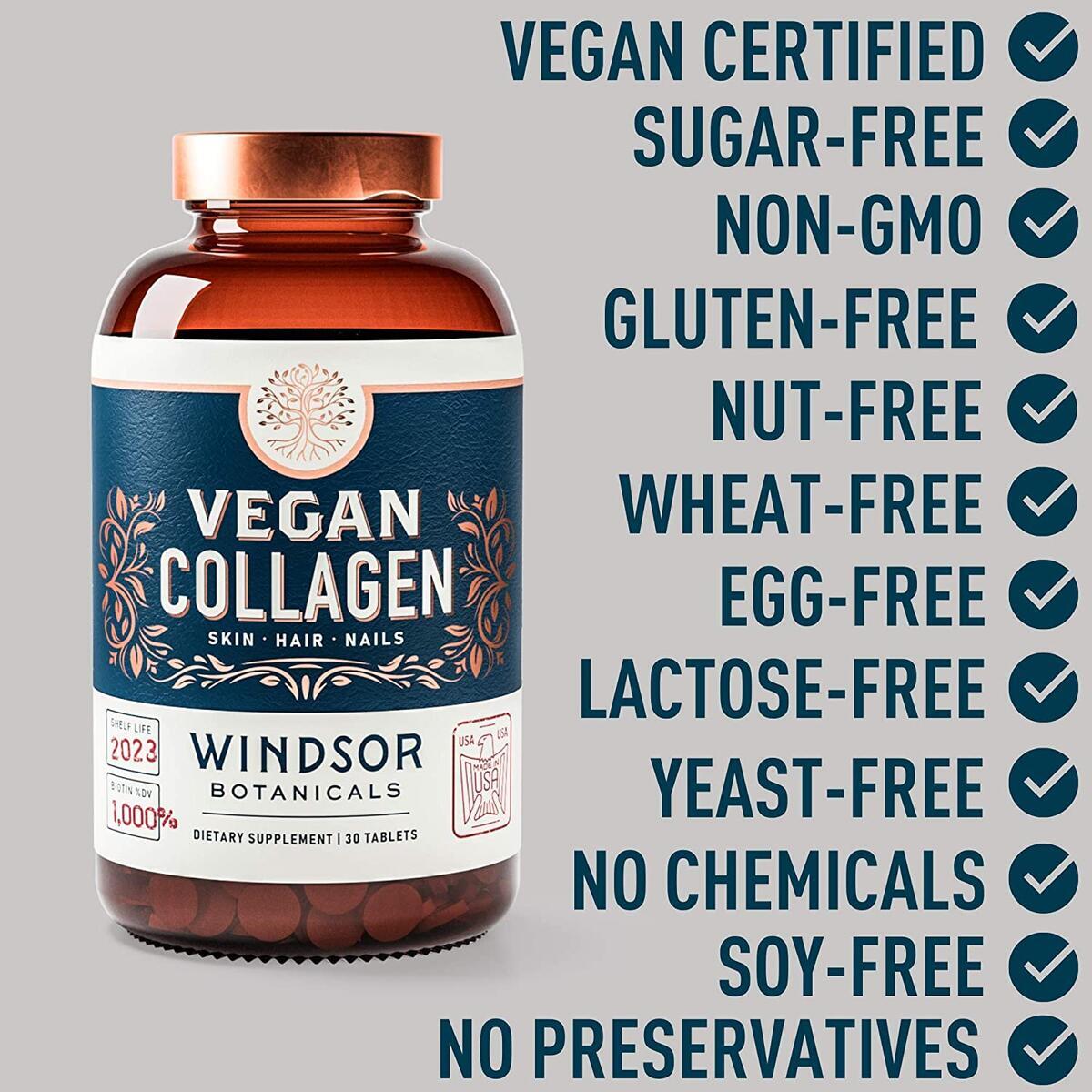
Vegan Collagen Alternatives: Frequently Asked Questions
If you’re following a vegan diet, you may be wondering how to get collagen without consuming animal products. Collagen is an essential protein that keeps skin, hair, bones, and joints healthy. But fortunately, there are plenty of plant-based alternatives to help boost your natural collagen production.
Here are some frequently asked questions about vegan collagen alternatives:
Q: What is collagen?
A: Collagen is a type of protein that makes up the connective tissues in animals and humans. It’s responsible for keeping our skin firm and elastic while supporting joint mobility and flexibility.
Q: Why do I need collagen in my diet?
A: As we age, our bodies naturally produce less collagen which can lead to wrinkles, sagging skin, joint pain or stiffness. Consuming foods rich in plant-based collagen promoting nutrients like vitamin C helps support the body’s natural production of it.
Q: What are some vegan sources of collagen-boosting nutrients?
A: Some great sources include citrus fruits (such as oranges), dark leafy greens (like kale), cruciferous vegetables (broccoli & brussels sprouts), soy products like tofu or soy milk , nuts like almonds or cashews , seeds such as chia and pumpkin seeds.
Q: Are there any specific supplements that can help with natural collagen production?
A: Yes! Many companies offer vegan-friendly supplements containing ingredients such as Vitamin C + E or hyaluronic acid which have been shown to promote healthy skin elasticity while supporting overall health. However always consult with your doctor before beginning any supplement routine.
Q: Can I make my own vegan “collagen” at home?
A: Absolutely! One popular method involves simmering leftover vegetable scraps (carrot tops/peels/onion skins) in water for several hours creating a homemade veggie broth that is not only delicious but also contains vitamins and minerals that promote collagen production.
Q: Is vegan collagen as effective as animal-based collagen?
A: While plant-based sources of nutrients to support natural collagen production are a great option, it is important to remember they work differently than traditional animal-derived collagen supplements. In addition, many vegan options may not have undergone the same clinical trials and research as traditional supplements so effectiveness may vary from person to person.
In conclusion, there are plenty of vegan-friendly ways to boost your body’s natural collagen production without consuming animal products. Whether through diet or supplementation, incorporating these plant-based alternatives can help keep your skin and joints healthy while supporting overall health and wellness.

Leave a Reply