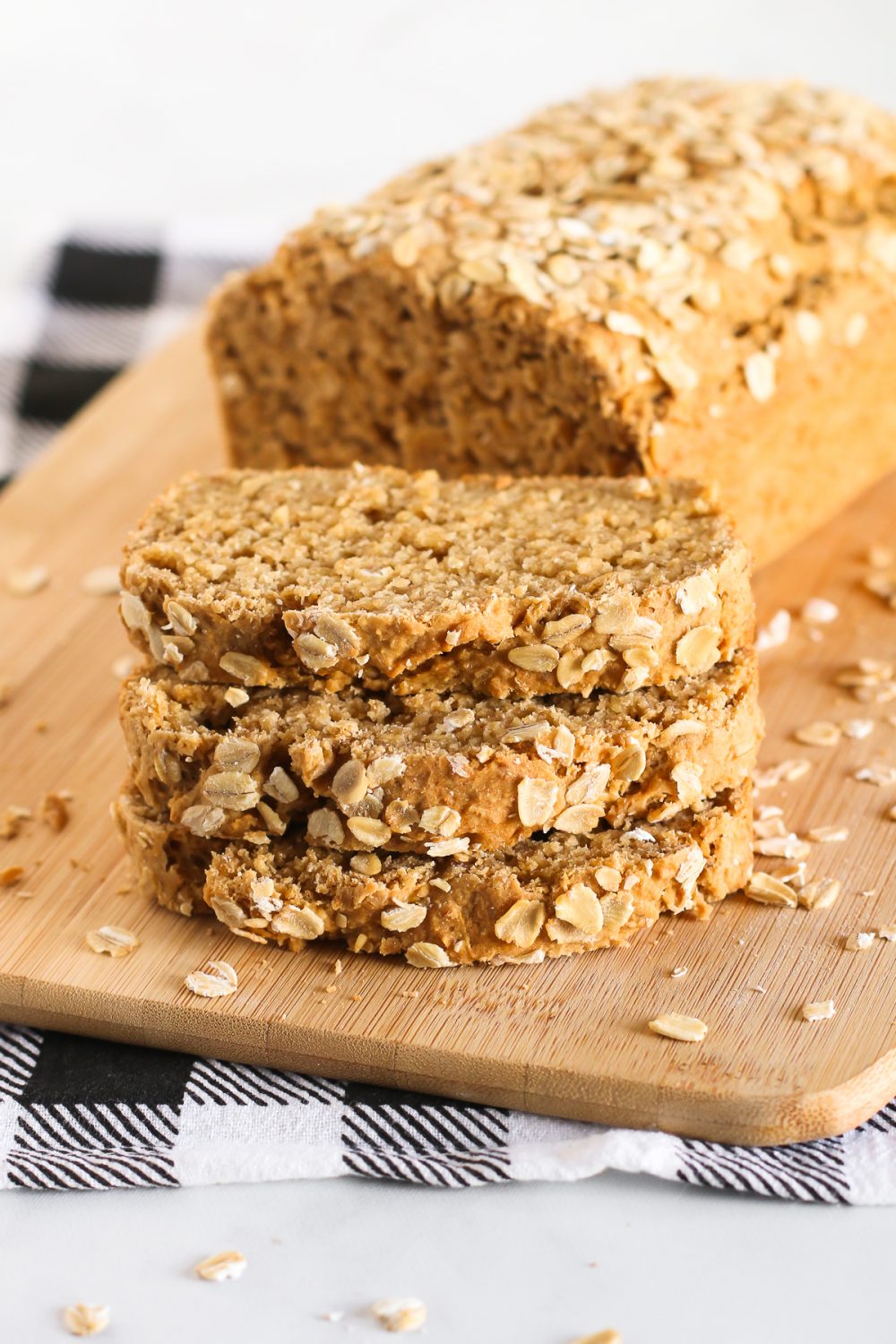
Gluten-Free Veganism: A Healthy and Compassionate Lifestyle
The intersection of gluten-free and vegan diets has become increasingly popular in recent years. While both lifestyles have their own unique benefits, combining them can lead to a healthier and more compassionate way of living.
What is Gluten-Free Veganism?
Gluten-free veganism involves eliminating all animal products from the diet while also avoiding gluten-containing grains such as wheat, barley, and rye. This can seem daunting at first but there are plenty of delicious options available that fit within this dietary framework.
Benefits of Going Gluten-Free Vegan
Improved Digestion
Eliminating gluten from the diet is beneficial for those who suffer from celiac disease or non-celiac gluten sensitivity. By removing these irritants, it allows your gut to heal and improves digestion overall. Meanwhile, following a vegan lifestyle means consuming an abundance of fiber-rich foods like fruits, vegetables, legumes which support digestive health by promoting regular bowel movements.
Reduced Inflammation
Eating a plant-based diet high in anti-inflammatory foods has been shown to reduce inflammation throughout the body which can help alleviate symptoms associated with conditions such as rheumatoid arthritis or inflammatory bowel syndrome (IBS).
Weight Loss
Following a whole food plant-based diet has been linked with weight loss due to its nutrient-dense nature that fills you up without adding excess calories. Many processed foods contain hidden sources of gluten so going gluten-free often leads people towards making healthier choices overall.
Lower Cholesterol Levels
Vegan diets are typically low in saturated fat which can help reduce cholesterol levels significantly over time. Additionally many whole grains like quinoa and amaranth are naturally free from cholesterol while still providing essential nutrients like protein and fiber.
Compassionate Living
Going vegan isn’t just about what you eat – it’s about how you live too! By avoiding animal products entirely we’re sending a message that we care about animals’ welfare too much to support the industries that exploit them. And with so many plant-based alternatives now available, it’s easier than ever to make compassionate choices in all aspects of your life.
Tips for Success on a Gluten-Free Vegan Diet
1. Plan Ahead
Having healthy snacks and meals planned out ahead of time will help you stick to your dietary goals without feeling deprived or overwhelmed.
2. Read Labels Carefully
Many processed foods contain hidden sources of gluten so always double-check labels before purchasing anything new.
3. Experiment with New Recipes
Cooking at home allows you to take control of what goes into your food, and there are plenty of delicious recipes available online that cater to both gluten-free and vegan diets.
4. Get Enough Nutrients
It is important to ensure you get enough nutrients like protein, calcium, iron, B12 and omega-3s when following a gluten-free vegan diet so include various nutrient-rich foods like legumes, nuts/seeds, tofu/tempeh in your daily meal plan.
Conclusion
Gluten-free veganism may seem challenging at first but it offers numerous benefits for health-conscious people looking for an ethical way of living while still enjoying delicious food options! By making mindful choices about what we eat every day we can improve our own wellbeing as well as contribute towards a more sustainable planet for future generations!

Leave a Reply