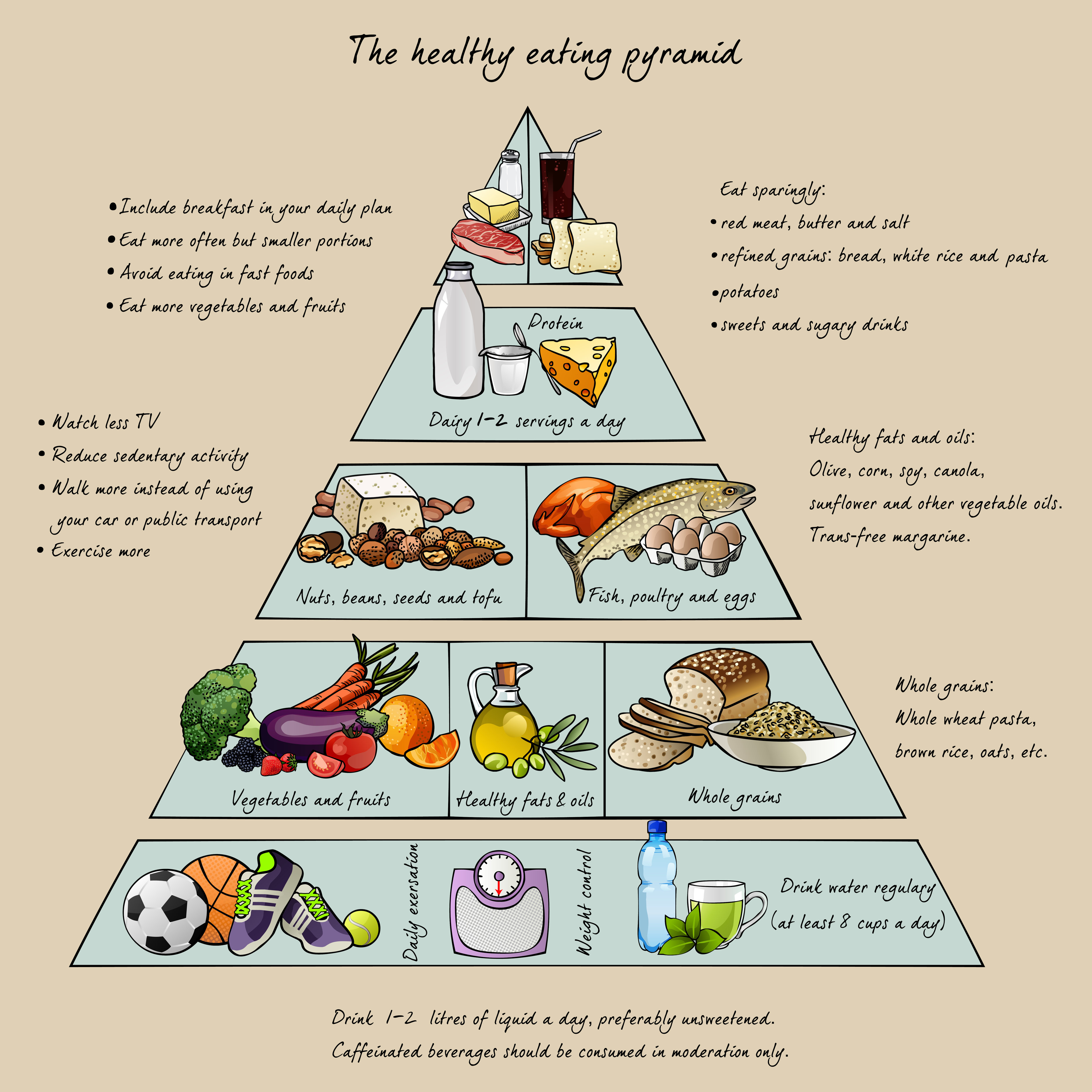
It’s a well-known fact that eating healthy is important for our overall health and well-being. However, with so much conflicting information out there, it can be hard to know what exactly constitutes “healthy” eating. That’s why we’ve put together this handy guide to help you navigate the world of healthy eating.
First and foremost, let’s talk about what not to eat. We all know that processed foods are bad news, but did you know that even some seemingly “healthy” foods can be just as detrimental? Take granola bars, for example. They may seem like a good choice for a quick snack on-the-go, but most store-bought granola bars are loaded with sugar and other additives. Instead, opt for homemade granola bars made with whole grains and natural sweeteners like honey or maple syrup.
Similarly, many people turn to protein bars in an effort to up their protein intake while on-the-go. But again, most store-bought options are full of artificial ingredients and added sugar. Instead of relying on protein bars as a source of sustenance, try packing snacks like nuts or hard-boiled eggs instead.
Now let’s move on to what you should be eating more of. It probably comes as no surprise that fruits and vegetables top this list – they’re packed with vitamins and minerals essential for optimal health! But beyond simply incorporating more produce into your diet, it’s important to pay attention to the quality of the fruits and veggies you’re consuming.
Whenever possible, choose organic produce – these items have been grown without synthetic pesticides or fertilizers (which can harm both the environment and your body). If organic isn’t available or feasible due to cost or availability issues) do your best by washing conventionally-grown produce thoroughly before consuming it.
Another key component of healthy eating is ensuring adequate hydration throughout the day. Drinking plenty of water not only keeps us feeling alert and energized but also helps flush toxins from our bodies. As a general rule of thumb, aim to drink at least 8 cups of water per day (more if you’re very active or live in a hot climate).
Of course, healthy eating isn’t just about what you eat – it’s also about how you prepare your food. Cooking methods like frying and deep-frying can add unnecessary calories and unhealthy fats to your meals. Instead, try baking, grilling, or roasting foods for a healthier cooking method.
And while we’re on the topic of fat – don’t be afraid to incorporate healthy sources into your diet! Foods like avocados, nuts and seeds contain essential fatty acids that are crucial for brain function and overall health. Just be sure to watch portion sizes as these items are still calorie-dense.
Finally, let’s talk about one of the most important aspects of healthy eating: moderation. It’s okay to indulge occasionally – in fact, denying yourself the foods you love entirely can lead to feelings of deprivation and ultimately sabotage your efforts toward healthy eating.
Instead of completely cutting out “unhealthy” foods from your diet altogether try practicing moderation instead. For example, instead of abstaining from dessert entirely after dinner every night opt for a small piece or share with someone else.
In conclusion, making healthy choices when it comes to what we eat is an essential part of living our best lives possible – but it doesn’t have to mean sacrificing all enjoyment either! By focusing on quality whole ingredients whenever possible while practicing moderation with less-healthy items and taking care when preparing our food we can set ourselves up for long-term success when it comes to nourishing both body AND soul through good nutrition practices.

Leave a Reply