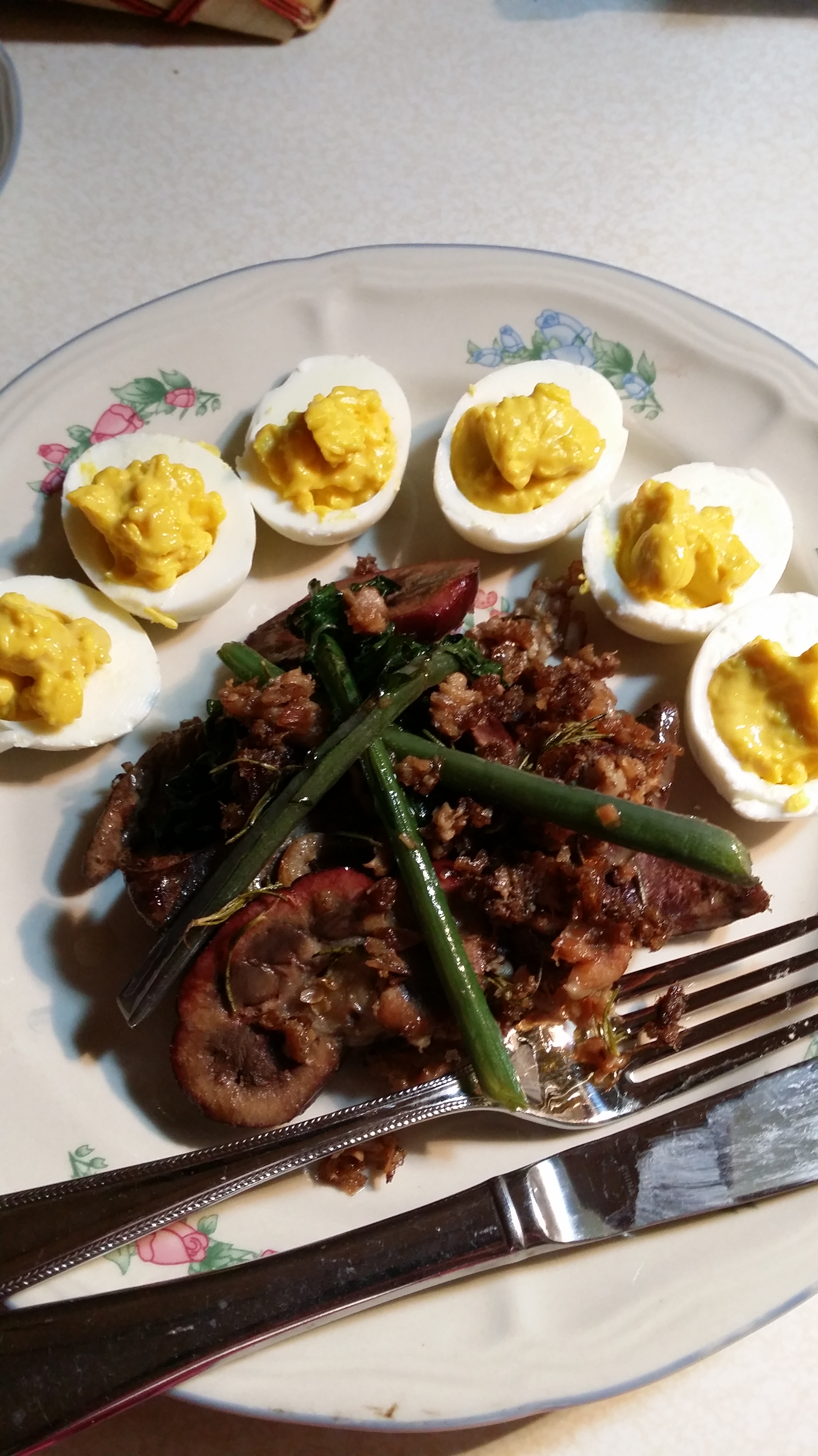
Organ meats or offal, as they are commonly known, are an important part of the paleo diet. While many people may not be accustomed to eating organ meats, they were a staple food in the diets of our ancestors and offer numerous health benefits that cannot be found in other foods. In this post, we will explore the role of organ meats in a paleo diet and why you should consider adding them to your meal plan.
Firstly, organ meats are incredibly nutritious. They contain high amounts of vitamins and minerals that are essential for maintaining good health. For example, liver is one of the most nutrient-dense foods on the planet and is packed with vitamin A, B12, iron, copper, and zinc. Kidneys contain high levels of vitamin B12 and folate while heart meat contains CoQ10 which is essential for optimal cardiovascular health.
Secondly, organ meats provide a unique source of protein compared to muscle meat like beef or chicken breast. Organ meats have a different amino acid profile than muscle meat which means they can complement each other when consumed together. Consuming both types of meat ensures you get all the necessary amino acids your body needs.
Thirdly, organ meats can help boost your immune system due to their high levels of antioxidants like glutathione and selenium. These antioxidants protect against oxidative stress caused by free radicals which contribute to chronic diseases such as cancer and heart disease.
Lastly but certainly not least importantly is that consuming organ meats supports sustainable farming practices by utilizing more parts from animals instead of just discarding them away leading to less waste.
Now let’s dive into some specific types of organ meats:
Liver – As mentioned earlier liver is one of nature’s superfoods because it contains so much nutrition per gram compared to other foods making it an excellent choice for those on restricted diets trying to obtain optimal nutrients without overeating calories; this includes people who follow Paleo or Keto diets). Liver also helps support the body’s detoxification process, making it a great addition to any cleanse.
Kidney – Kidneys are rich in vitamin B12 and folate, which are essential for maintaining optimal health. They also contain high levels of iron and copper, important minerals that help transport oxygen throughout the body.
Heart – Heart meat is an excellent source of CoQ10 which helps support cardiovascular health by reducing inflammation and oxidative stress. It’s also high in protein and contains essential amino acids needed for muscle growth and repair.
Tongue – While not as nutrient-dense as liver or kidney, tongue is still a good source of protein that can be used as an alternative to other cuts of meat like beef or chicken breast. It has a unique texture that many people find appealing when cooked properly.
When purchasing organ meats, always look for grass-fed or pasture-raised animals where possible since they will have higher levels of nutrition compared to conventionally raised animals. Additionally, it is important to note that consuming too much organ meat can lead to toxicity due to their high vitamin A content; however this risk is minimal if consumed in moderation.
Here are some tips on how you can incorporate organ meats into your diet:
1) Start small- If you’re new to eating organ meats start with small portions once per week before increasing frequency
2) Mix them up- Experiment with different types of organ meats instead of sticking with one type all the time
3) Incorporate them into meals- Add chopped liver into bolognese sauce or use heart meat as an alternative for ground beef; these options make it easier than trying whole organs on their own
In conclusion, incorporating organ meats into your paleo diet can offer significant health benefits due to their high nutritional value. They provide a unique source of protein along with antioxidants that protect against chronic diseases while supporting sustainable farming practices by utilizing more parts from animals instead of just discarding them away leading to less waste. Start small, experiment with different types, and incorporate them into meals for a delicious way to enhance your overall diet.

Leave a Reply