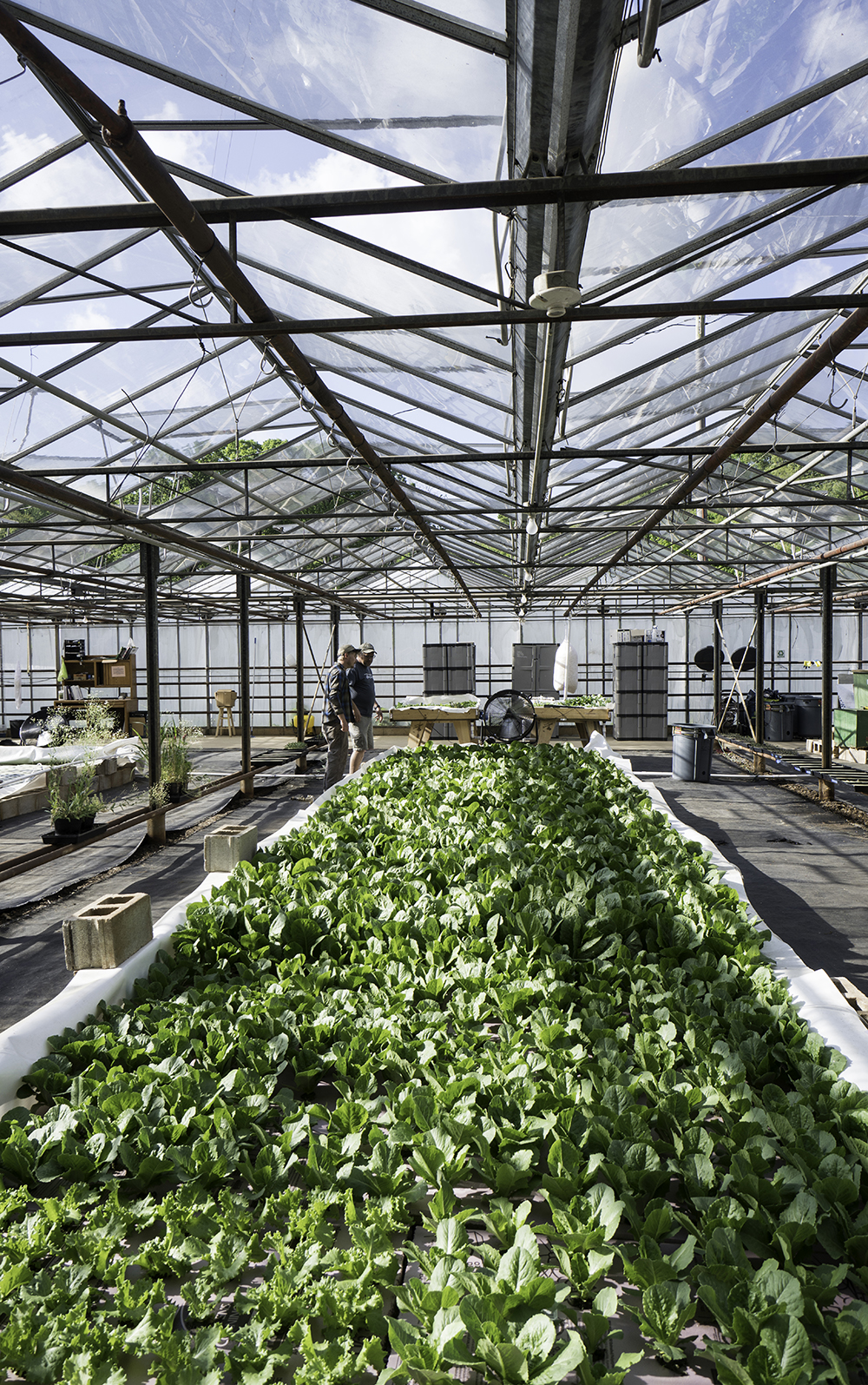
Aquaponics: A Sustainable and Efficient Way to Grow Healthy Food
As the world becomes increasingly concerned about sustainability and food security, more people are turning to alternative farming methods. One such method that has gained popularity in recent years is aquaponics. Aquaponics is a system of growing plants and raising fish together in a symbiotic relationship that creates a closed-loop ecosystem.
In an aquaponic system, plants grow in water rather than soil. The nutrient-rich water comes from the fish tank, where the fish waste provides essential nutrients for plant growth. As the plants absorb these nutrients, they help filter the water before it returns to the fish tank, creating a self-sustaining cycle.
One of the primary benefits of aquaponics is its efficiency. Because it’s a closed-loop system, there’s no need for fertilizers or pesticides that can harm both human health and the environment. Additionally, because everything happens in one place – from plant growth to fish farming – transportation costs are minimized.
Aquaponics also uses significantly less water than traditional agriculture methods. In fact, according to some estimates, an aquaponic system can use up to 90% less water than conventional farming while producing higher yields per square foot.
Another benefit of aquaponics is its versatility. It can be done on any scale – from small backyard systems to large commercial operations – making it accessible to anyone interested in sustainable agriculture.
There’s also evidence that suggests that produce grown through aquaponics may be more nutritious than conventionally grown produce due to their high levels of antioxidants and other beneficial compounds. Furthermore, because everything happens inside without exposure to external contaminants like pesticides or herbicides found outside fields; those who consume this type of food will know they are getting clean ingredients free from harmful chemicals.
While there are many benefits associated with aquaponics as an agricultural method for healthy eating habits; there are several challenges involved too—including climate control, pH balance, and the need for a reliable source of electricity.
For example, maintaining consistent temperatures is critical to both the fish and plant growth within an aquaponic system. The ideal temperature range is typically between 68-75 degrees Fahrenheit; however, this can be difficult to achieve in some locations without proper climate control measures.
Another challenge associated with aquaponics is balancing the pH levels of the water. Fish excrete ammonia which needs to be converted into nitrates by beneficial bacteria before it can be utilized by plants as nutrients. However, if the pH level drops too low or rises too high, it can harm both fish and plant growth.
Finally, because an aquaponic system relies heavily on electrical pumps and other equipment to circulate water throughout the system; having a reliable source of electricity is essential. Power outages could lead to significant losses in both fish and plant life.
Despite these challenges; many people believe that aquaponics represents a sustainable way forward for healthy eating habits around the world due to its numerous benefits such as efficiency, sustainability, versatility – making it accessible for anyone interested in sustainable agriculture – and potential nutritional advantages.
In conclusion; Aquaponics represents a promising agricultural method that offers several benefits over traditional farming methods such as higher yields per square foot with minimal environmental impact on human health due to no use of harmful chemicals like pesticides or herbicides found outside fields. While there are still several challenges associated with this method – including climate control issues and ensuring reliable sources of electricity – those who are passionate about healthy eating habits see this method as one that will pave the way towards a more sustainable future where people have access to clean ingredients grown free from harmful chemicals while also contributing positively towards our environment.

Leave a Reply