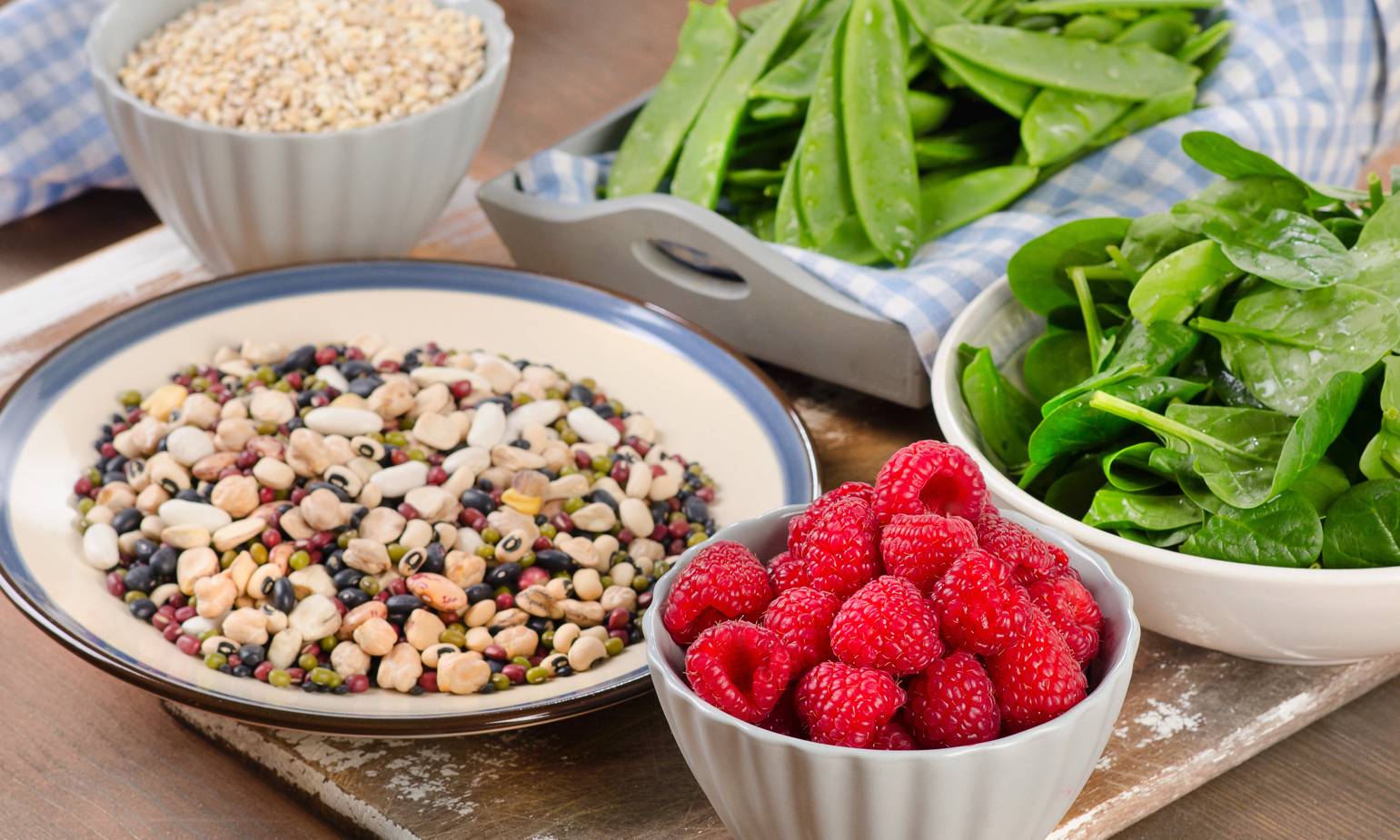
Fiber is an essential part of a healthy diet. It is a type of carbohydrate that cannot be broken down by the body’s digestive enzymes, so it passes through the digestive system mostly intact. There are two types of fiber: soluble and insoluble.
Soluble fiber dissolves in water to form a gel-like substance and can help lower cholesterol levels, regulate blood sugar levels, and promote feelings of fullness. Good sources of soluble fiber include oats, beans, lentils, apples, pears, strawberries, blueberries, carrots, and sweet potatoes.
Insoluble fiber does not dissolve in water but instead adds bulk to stool and helps waste move through the digestive system more efficiently. It can also promote regular bowel movements and prevent constipation. Good sources of insoluble fiber include whole grains like brown rice and quinoa, nuts and seeds like almonds and chia seeds as well as fruits with edible skins such as apples or berries.
While most people know that eating enough fiber is important for maintaining good health – only about 5% of Americans get enough daily intake – they may not realize how easy it is to incorporate more into their diets! Here are some tips for increasing your dietary fiber:
1) Start your day with high-fiber breakfast foods such as oatmeal or whole-grain toast topped with avocado or nut butter; alternatively you could try adding flaxseed meal to smoothies for extra protein & fibre;
2) Eat plenty of fruits & vegetables – aim for at least 5 servings per day – these provide both soluble & insoluble fibers along with vitamins & minerals that support overall health;
3) Snack on high-fibre foods like popcorn (air-popped), raw veggies dipped in hummus or nut butter;
4) Incorporate legumes (beans & lentils) into soups/stews/salads etc., which are rich in both protein & fibre;
5) Switch up grains – try swapping white rice for brown or use quinoa instead of pasta.
As with any dietary changes, it’s important to make them gradually and listen to your body. Increasing fiber intake too quickly can cause bloating, gas, and discomfort. Aim to increase your fiber intake by 5 grams per day until you reach the recommended daily amount of 25-30 grams for adults.
In conclusion, fiber is an essential part of a healthy diet that provides numerous health benefits including promoting bowel regularity, maintaining healthy cholesterol levels and promoting feelings of fullness which may aid in weight loss efforts. By incorporating more high-fibre foods into your diet, you can improve overall health while also enjoying delicious meals and snacks!

Leave a Reply