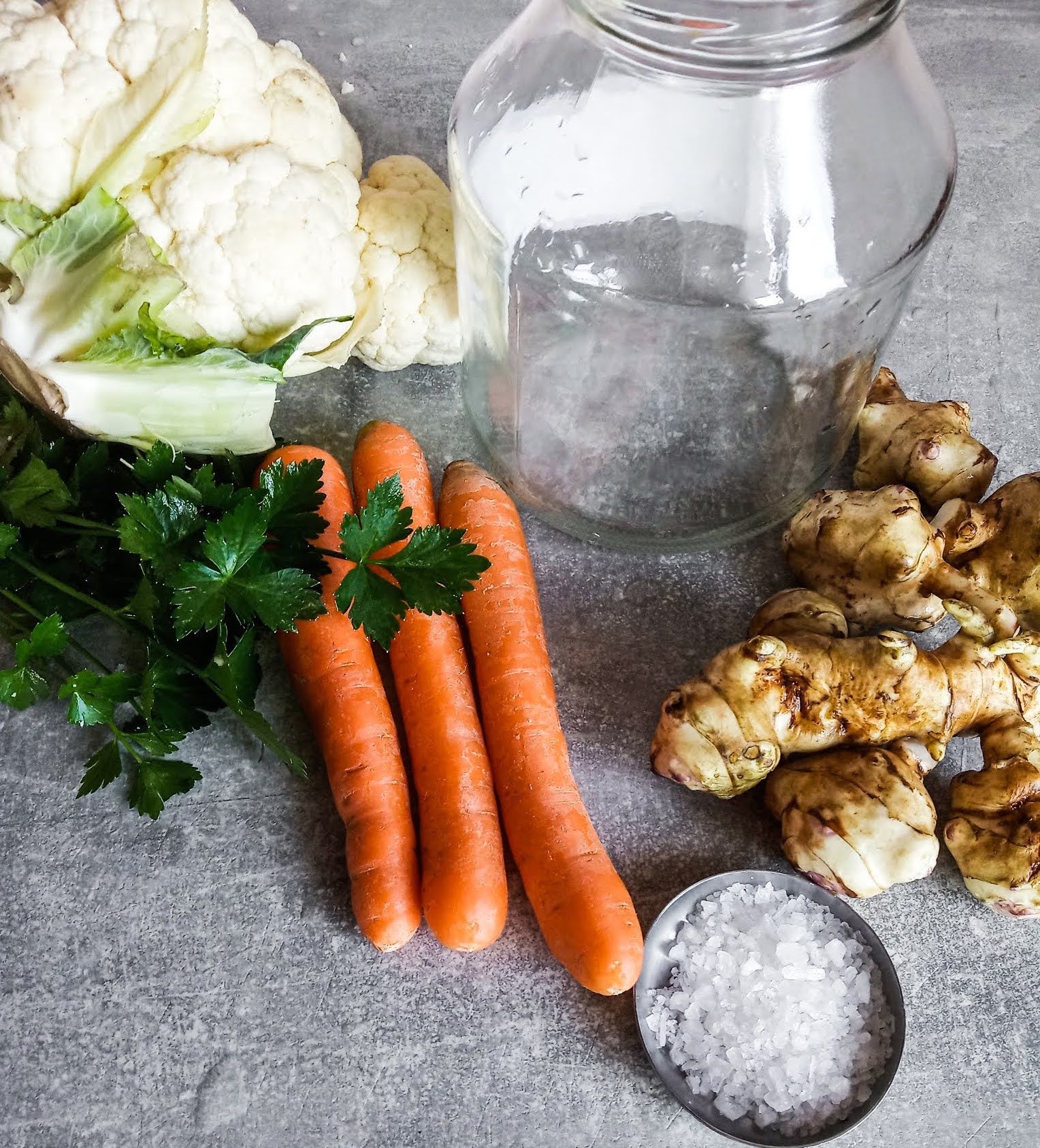
Fermented Vegetables: The Secret to a Healthy Gut
Eating vegetables is essential to maintaining good health, and it’s no secret that they’re packed with nutrients our bodies need. However, did you know that fermented vegetables can take our health to the next level? Fermentation has been used for centuries as a way of preserving food, but it also offers numerous health benefits.
Fermenting vegetables involves placing them in an anaerobic environment where bacteria convert their natural sugars into lactic acid. This process not only preserves the food but also increases its nutritional value. Here are some of the benefits of incorporating fermented vegetables into your diet:
1. Improved Digestion
The fermentation process creates beneficial probiotics known as lactobacilli and bifidobacteria that help improve gut health by restoring balance to the microbiome. These beneficial bacteria promote digestion and nutrient absorption while aiding in detoxification.
2. Increased Nutrient Absorption
Fermented foods contain higher levels of vitamins, minerals, and antioxidants than their non-fermented counterparts because the fermentation process breaks down complex molecules into simpler ones that are easier for our bodies to absorb.
3. Boosts Immunity
Approximately 80% of our immune system resides in our gut; therefore, consuming fermented foods improves overall immunity by increasing white blood cells’ production.
4. Reduces Inflammation
Chronic inflammation is linked to several conditions such as arthritis, heart disease, cancer, etc., and consuming fermented foods helps reduce inflammation by promoting healthy gut flora growth.
Now let’s dive deeper into why you should include fermented veggies in your diet:
1) Sauerkraut – A Classic Favorite
Sauerkraut is made from finely shredded cabbage mixed with salt before being left alone for a week or two under controlled conditions until fully fermented. It’s rich in vitamin C which boosts collagen synthesis besides supporting immunity against common infections like colds and flu.
2) Kimchi – A Korean Staple
Kimchi is a spicy fermented vegetable dish that originated in Korea. It’s usually made with napa cabbage, radishes, scallions, garlic, ginger, and a chili pepper paste known as gochujang. The fermentation process gives it a tangy flavor while also promoting the growth of beneficial gut bacteria.
3) Pickles – Perfectly Tangy Snack
Pickled cucumbers are common in most households as they’re easy to make by soaking cucumbers in vinegar and water before adding salt or sugar for taste. However, lacto-fermented pickles are healthier because they contain probiotics besides being rich in vitamins C and K.
4) Beet Kvass – The Immune Booster
Beet kvass is a traditional Eastern European drink made from beets that have been fermented for several days using starter cultures such as whey or sea salt. It’s high in antioxidants like betalains which help reduce oxidative stress besides improving liver function.
5) Fermented Carrots – Crunchy & Flavorful
Fermenting carrots results in an excellent source of vitamin A which supports healthy vision besides boosting immunity against infections like measles and pneumonia.
6) Ginger Carrots – Spicy & Healthy
Ginger-carrot kraut offers a unique blend of flavors combined with health benefits from both ingredients. Ginger provides anti-inflammatory properties while carrots offer antioxidant power along with fiber content to support digestion.
7) Mixed Vegetable Ferments – Variety Is Key!
Bringing together different veggies into one ferment increases the diversity of nutrients and microorganisms we consume while delivering delicious flavors packed with plenty of nutrients to keep us healthy.
In conclusion:
Adding fermented vegetables to your diet isn’t just about enjoying new flavors; it’s also about reaping the immense health benefits they provide. These foods are loaded with probiotics that improve gut health by promoting healthy digestion and nutrient absorption. They also boost immunity, reduce inflammation, and provide numerous vitamins and minerals that our bodies require to function optimally.
So why not try incorporating some fermented vegetables into your diet today? Start with a small portion and gradually increase the amount until you find what works for you. Your gut will thank you!

Leave a Reply