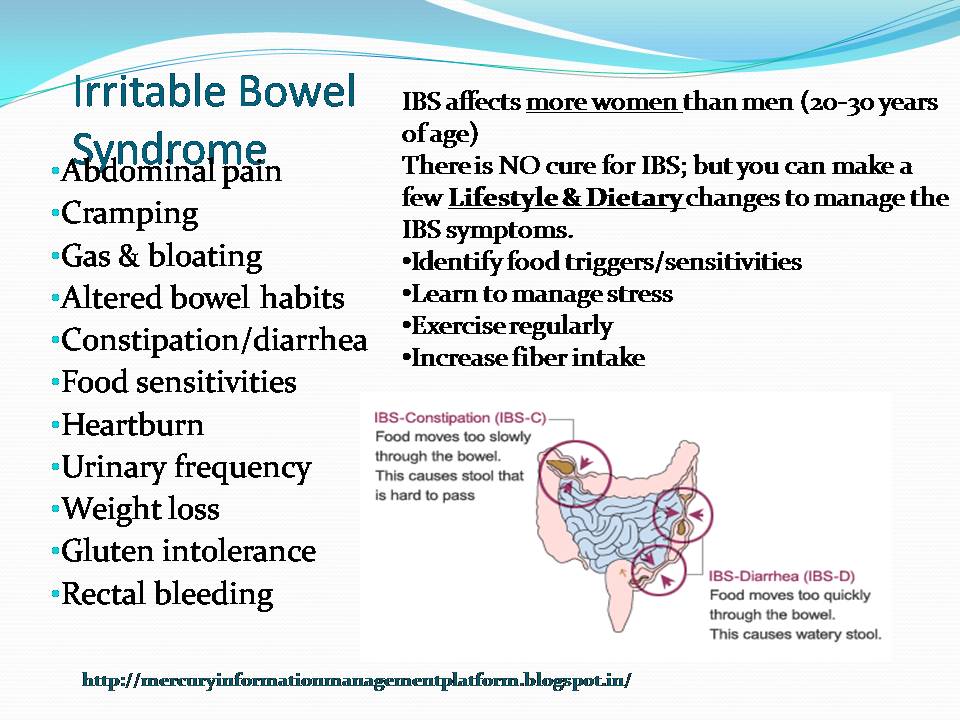
Irritable bowel syndrome (IBS) is a common disorder that affects the large intestine or colon. It’s characterized by a group of symptoms that include abdominal pain, cramping, bloating, gas, diarrhea and constipation. While there is no cure for IBS, it can be managed with dietary changes, lifestyle modifications and medication.
Symptoms of IBS
The symptoms of IBS vary from person to person but typically include:
– Abdominal pain or discomfort
– Bloating
– Gas
– Diarrhea or constipation (sometimes alternating)
– Mucus in the stool
– Nausea
The severity and frequency of these symptoms also vary from person to person. Some people may experience mild symptoms while others may have severe symptoms that interfere with their daily lives.
Causes of IBS
The exact cause of IBS is unknown but several factors are thought to play a role in its development.
1. Muscle Contractions in the Intestine: The muscles in the walls of the intestines contract and relax as they move food through your digestive system. If you have IBS, these contractions may be stronger and last longer than normal which can cause gas, bloating and diarrhea.
2. Nervous System: The nerves in your digestive system communicate with your brain which helps regulate digestion. If you have IBS, this communication process may not work properly leading to abdominal pain and other gastrointestinal issues.
3. Inflammation: In some cases, inflammation can contribute to the development of IBS especially if you suffer from inflammatory bowel disease (IBD).
4. Food Sensitivities: Certain foods like dairy products can trigger an allergic reaction or intolerance leading to gastrointestinal problems like bloating or diarrhea.
5. Stress: Stressful events like exams or job interviews can lead to worsening gastrointestinal problems for those who already suffer from IBS.
Diagnosis
There’s no specific test for IBS but your doctor can diagnose the condition based on a thorough medical history, physical exam and elimination of other potential conditions. Your doctor may also recommend further testing like blood tests, stool samples or imaging studies to rule out underlying causes of your symptoms.
Treatment
The treatment of IBS depends on the severity and frequency of your symptoms. There’s no cure for IBS but several treatments can help manage the symptoms including:
1. Dietary Changes: Certain foods can trigger IBS symptoms so it’s important to identify which foods cause problems for you. Common triggers include dairy products, gluten, caffeine and alcohol.
2. Medications: Several medications are available to treat the various symptoms associated with IBS like antispasmodics, laxatives or anti-diarrheals.
3. Stress Management Techniques: Since stress is a common trigger for IBS, techniques like meditation or yoga can help reduce stress levels leading to fewer gastrointestinal problems.
4. Probiotics: Probiotics are beneficial bacteria that live in our digestive tracts that promote healthy digestion and prevent harmful bacteria from proliferating.
Prevention
While there’s no guaranteed way to prevent IBS entirely, there are some steps you can take that may help reduce your risk:
1. Eat a healthy diet rich in fiber
2. Exercise regularly
3. Get enough sleep
4. Minimize stress through relaxation techniques
5. Stay hydrated
Conclusion
Irritable bowel syndrome (IBS) is a chronic disorder that affects millions of people worldwide causing significant discomfort and disrupting daily life activities . Although its exact cause remains unknown , lifestyle changes such as dietary modifications , medication , psychological interventions , exercise and sleep hygiene have been proven effective in managing its debilitating effects . With proper attention given towards identifying triggers , patients with this condition should be able to effectively manage their symptoms thus improving their quality of life significantly .
Please note that if you’re experiencing severe or persistent symptoms, it’s important to seek medical advice from a qualified healthcare professional.

Leave a Reply