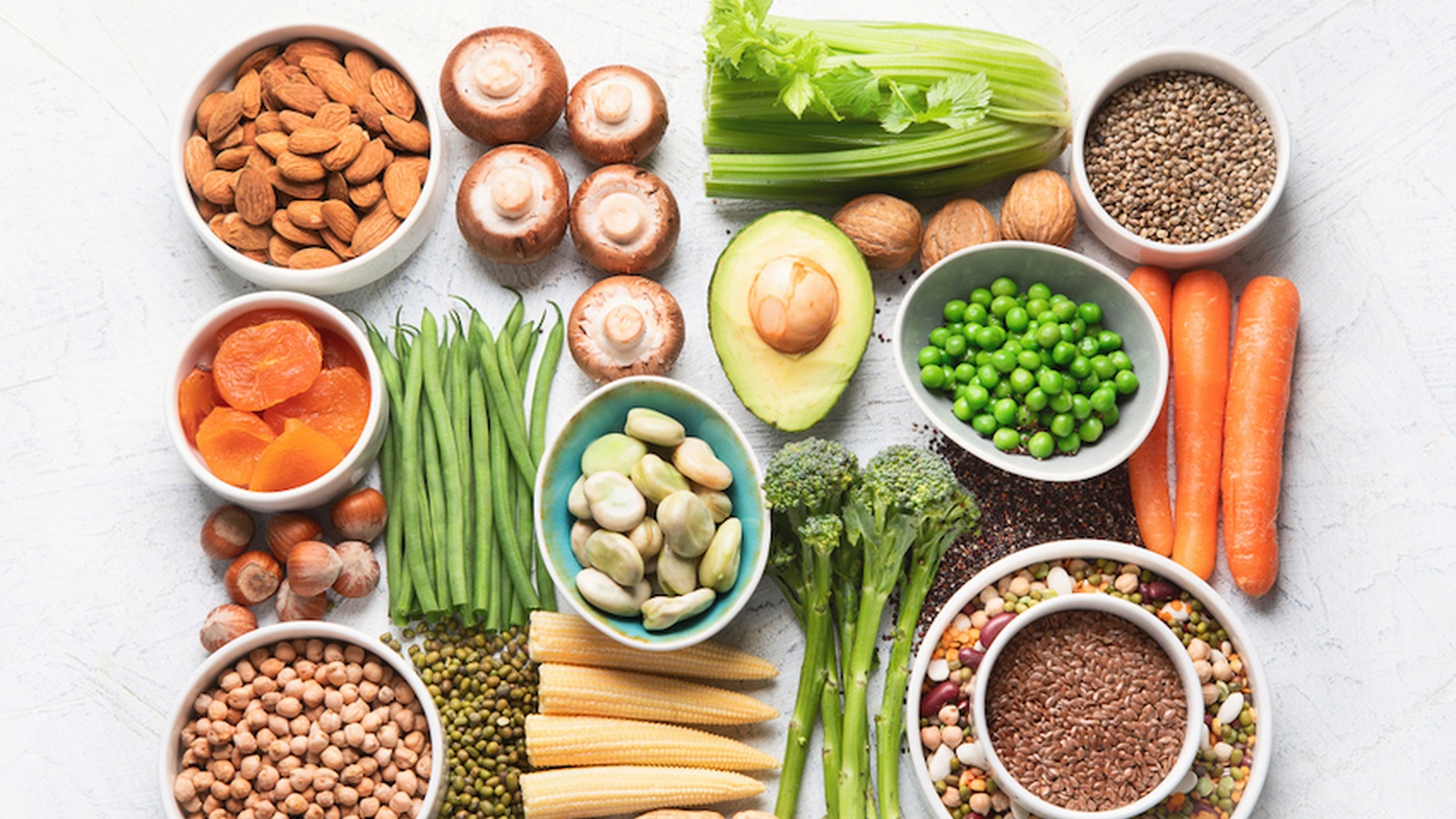
Protein is an essential nutrient that our bodies need for growth and repair. It is important to include protein in your diet, especially if you are physically active or trying to build muscle. However, not all protein sources are created equal. In this article, we will explore different types of protein sources and their nutritional value.
Animal-based Protein Sources
Animal-based proteins are complete proteins because they contain all nine essential amino acids needed by the body. These proteins come from animal products such as meat, fish, poultry, eggs, and dairy products.
Meat: Meat is a good source of protein but can also be high in saturated fat and cholesterol. Lean meats such as chicken breast or turkey breast are great options for getting adequate protein without consuming too much unhealthy fat.
Fish: Fish is another excellent source of lean protein with less saturated fat than other animal-based proteins. Salmon is a popular choice due to its high omega-3 fatty acid content which has been shown to have numerous health benefits.
Poultry: Chicken and turkey are both low-fat sources of high-quality protein that can help meet your daily requirements while still maintaining a healthy diet.
Eggs: Eggs contain all nine essential amino acids in addition to being rich in vitamins D and B12. They are inexpensive and versatile making them an easy choice for adding more protein into your diet.
Dairy Products: Milk, cheese, yogurt and other dairy products contain casein and whey – two high-quality proteins that make them excellent choices for people looking to increase their intake of animal-based proteins.
Plant-Based Protein Sources
Plant-based diets continue to grow in popularity due to their many health benefits including reducing the risk of heart disease and cancer; however plant based foods may not provide all the necessary nutrients required by human body unlike animal based foods which give us complete package.
Beans & Legumes: Beans & legumes (like lentils) offer significant amounts of dietary fiber along with protein. By combining beans or lentils with grains like rice, you can make a complete protein meal.
Quinoa: Quinoa is a gluten-free grain that contains all nine essential amino acids making it an excellent choice for vegetarians and vegans.
Nuts & Seeds: Nuts & seeds offer healthy fats along with protein which makes them great snacks to munch on when trying to increase your protein intake.
Soy Products: Soy products such as tofu, tempeh and edamame are rich in high-quality plant-based proteins. They are also low in saturated fat which makes them great options for people looking to reduce their intake of animal-based proteins.
Protein Supplements
Protein supplements come in many forms including powders, bars and drinks. While they can be convenient for individuals who need quick access to protein during busy days or post-workout recovery but always prefer natural sources over artificial supplements if possible.
Conclusion
It’s important to remember that while getting enough protein is vital for our health, it should not come at the cost of consuming too much unhealthy fats or sugars from processed foods. A well-balanced diet consisting of varied sources of lean proteins (both animal and plant based) along with fruits, vegetables and whole grains will help ensure you get adequate nutrients while maintaining good overall health.

Leave a Reply