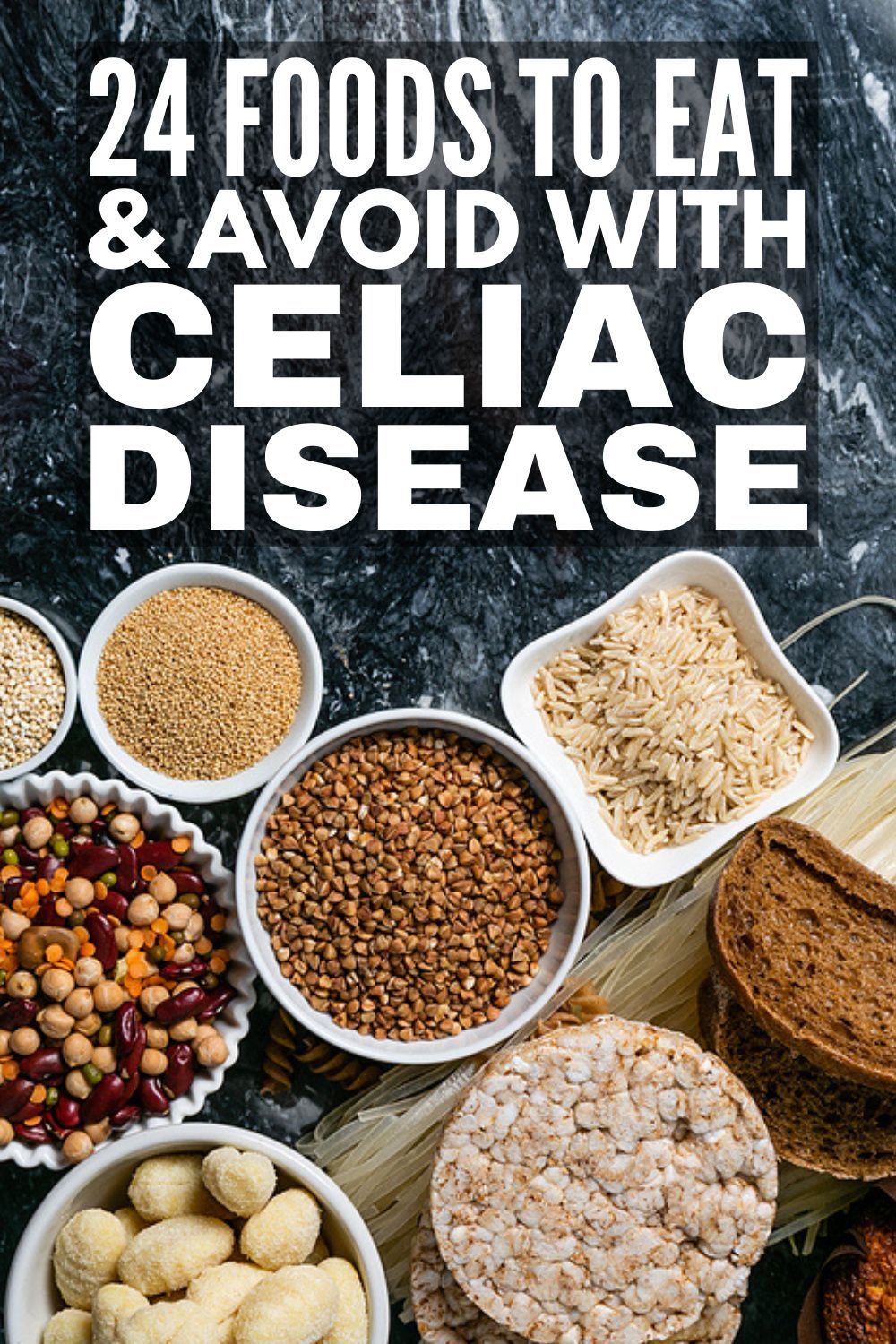
Celiac disease is a condition that affects the small intestine and causes an adverse reaction to gluten. Gluten is a protein found in wheat, barley, and rye. Celiac disease affects about 1% of the population worldwide, but many people are unaware they have it.
Here are fifteen things you should know about celiac disease:
1. Symptoms can be subtle or severe: Some people with celiac disease have no symptoms at all, while others experience digestive issues like diarrhea, bloating, and abdominal pain.
2. You can’t outgrow it: Once you develop celiac disease, you’ll have it for life.
3. It’s genetic: If someone in your family has celiac disease, you’re more likely to develop it too.
4. Diagnosis requires testing: A blood test and biopsy of the small intestine are necessary for diagnosis.
5. Gluten-free diet is the only treatment: There’s currently no cure for celiac disease other than avoiding gluten entirely.
6. It’s not just a fad diet: For those with celiac disease, eating gluten-free isn’t just a trend; it’s essential for their health and well-being.
7. Cross-contamination is real: Even trace amounts of gluten can cause problems for those with celiac disease due to cross-contamination during food preparation or packaging.
8. Gluten hides in many foods: Gluten can be found in unexpected places such as soy sauce, salad dressings, and even some medications.
9. Going gluten-free doesn’t necessarily mean healthy eating: Many processed foods labeled “gluten-free” may contain high levels of sugar or fat, so reading labels carefully is crucial.
10. Eating out requires caution: Restaurants may not always understand what being “gluten-free” means or how to prepare safe meals for customers with celiac disease
11.Support groups can help : Joining support groups made up of others with this condition could help you cope with the challenges of living gluten-free.
12. Gluten-free options are becoming more available: With the rise of celiac disease awareness, many restaurants and grocery stores now offer gluten-free alternatives.
13. It’s not just a digestive issue: Celiac disease can affect other parts of the body, including skin rashes, joint pain, and even neurological issues.
14. Non-celiac gluten sensitivity is real too: While not having celiac disease, some people may still experience symptoms from eating gluten known as non-celiac gluten sensitivity (NCGS).
15. Early diagnosis is important: If left untreated or undiagnosed for an extended period, celiac disease can cause long-term damage to the small intestine and increase the risk of other autoimmune disorders.
In conclusion, celiac disease is a lifelong condition that requires careful management through a strict gluten-free diet. While it presents challenges in daily life such as navigating food choices while eating out or cooking at home but with greater awareness about this health condition comes better support for those who have it . By staying educated on all things related to celiac disease and reaching out to others affected by it , you can live happily without letting your diagnosis hold you back!

Leave a Reply