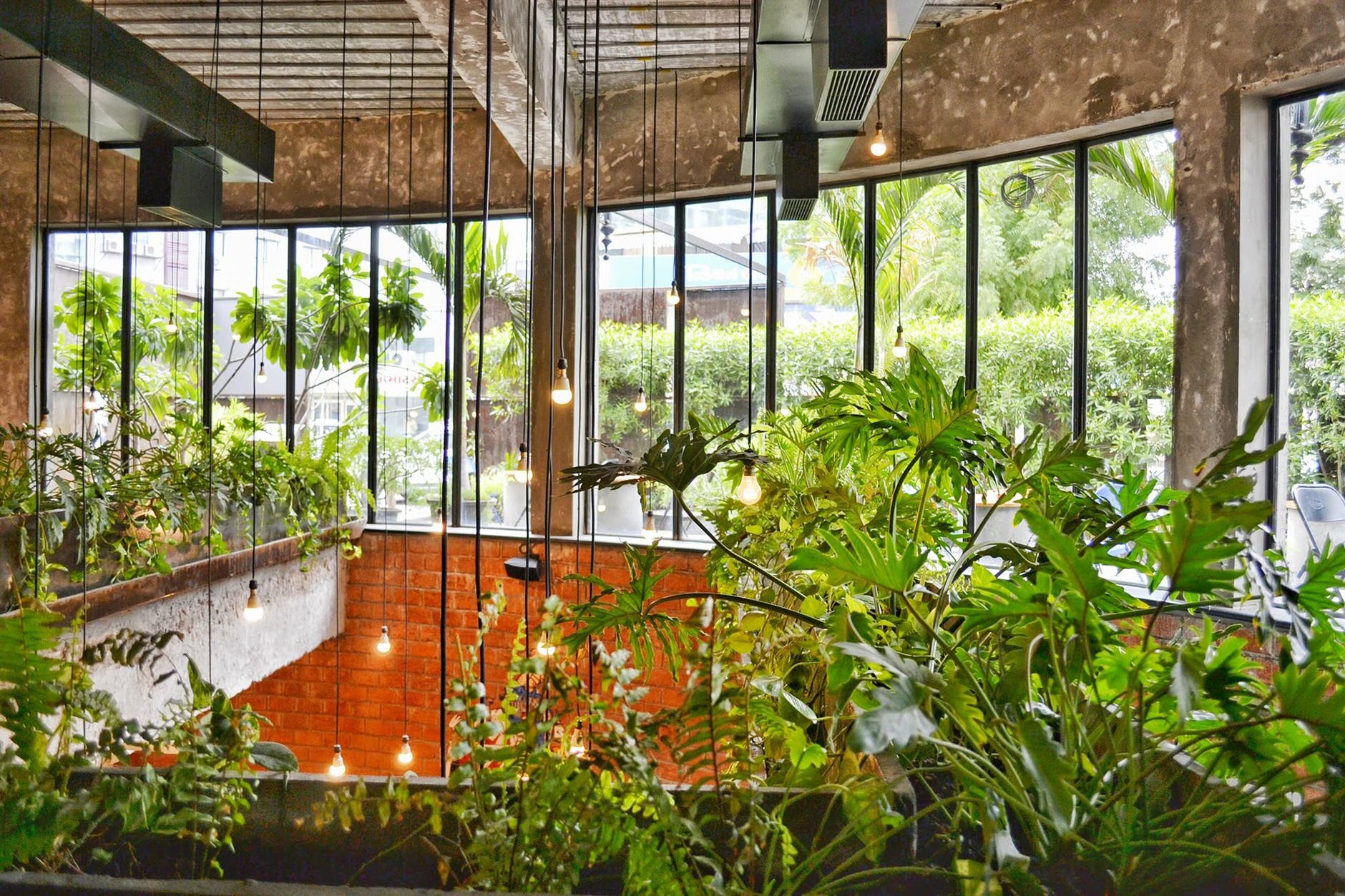
Indoor Gardening: A Complete Guide to Growing Your Own Nutritious Produce
Gardening is an excellent way to improve your overall health and wellbeing. It not only provides fresh produce but also reduces stress, promotes physical activity, and enhances mental clarity. However, gardening can be challenging for people living in urban areas with limited space or harsh weather conditions. Thankfully, indoor gardening offers a practical solution.
Indoor gardening entails growing plants indoors using containers, pots, or hydroponic systems. This method of gardening has become increasingly popular over the years due to its numerous benefits such as year-round access to fresh produce, air purification, and aesthetics.
In this article, we’ll take a close look at indoor gardening – from the types of plants you can grow indoors to the various methods you can use.
Types of Plants Suitable for Indoor Gardening
The type of plant you choose largely depends on your available space and personal preferences. Here are some common types of indoor plants that thrive:
1. Herbs: Basil, thyme, mint are some examples of herbs that grow well in containers and require minimal maintenance.
2. Leafy Greens: Spinach, kale lettuce are rich in vitamins and minerals while being easy to grow indoors.
3. Vegetables: Tomatoes have high nutritional value while peppers add flavor and color to meals.
4. Fruits: Strawberries grow well under artificial light during winter months while citrus fruits like lemons and oranges require more warmth during colder months.
5. Succulents & Cacti: These low-maintenance plants come in an array of colors and shapes that add visual appeal to any room.
Methods for Indoor Gardening
There are various ways through which one can start an indoor garden; here are some common ones:
1) Container Gardening:
Container gardens involve planting individual plants in pots or other containers filled with soil or nutrient-rich mediums such as peat moss or coconut coir. Container gardening is ideal for small spaces and easy to manage.
2) Hydroponic System:
Hydroponic systems involve growing plants in nutrient-rich water instead of soil. This method allows you to grow plants faster and more efficiently while using less space.
3) Vertical Gardening:
Vertical gardens utilize vertical wall spaces by mounting planters on them, allowing gardeners to maximize their space while still having access to fresh produce.
4) Terrariums:
Terrariums are miniature indoor gardens that involve planting small plants inside glass containers. They require minimal maintenance and add a touch of greenery to any room.
Tips for Indoor Gardening
1) Lighting: Plants need adequate light to photosynthesize, which means they need sunlight or artificial light sources like LED lights. You should ensure your plants receive enough light based on the type of plant you’re growing.
2) Temperature & Humidity: Different types of plants thrive under different temperature and humidity levels; hence it’s essential to maintain optimal conditions for your specific plant species.
3) Soil Quality: Use high-quality potting soil or substrate for container gardening as poor quality can affect plant growth adversely.
4) Watering & Fertilizing: Overwatering can lead to root rot, while underwatering can stunt growth. Ensure proper watering intervals depending on the type of plant you’re growing. Additionally, fertilize regularly with organic nutrients suitable for indoor use.
Benefits of Indoor Gardening
Indoor gardening has numerous benefits such as:
1) Nutritious Produce: Homegrown fruits, vegetables, and herbs are free from synthetic chemicals used in commercial farming methods, making them healthier alternatives full of vitamins and minerals.
2) Air Purification: Plants absorb carbon dioxide from the air during photosynthesis and release oxygen into the atmosphere resulting in cleaner air indoors.
3) Stress Reduction & Mental Clarity: Studies have shown that interacting with nature reduces stress levels, enhances mental clarity, and boosts overall wellbeing.
4) Cost-Effective: Indoor gardening is an inexpensive way to access fresh produce throughout the year while also saving money on groceries.
In conclusion, indoor gardening is an easy and practical way of growing your own nutritious produce in a limited space. Whether you prefer container gardening or hydroponics, be sure to choose suitable plants for your environment and maintain optimal conditions for their growth. So why not start your indoor garden today and reap the numerous benefits it offers?

Leave a Reply