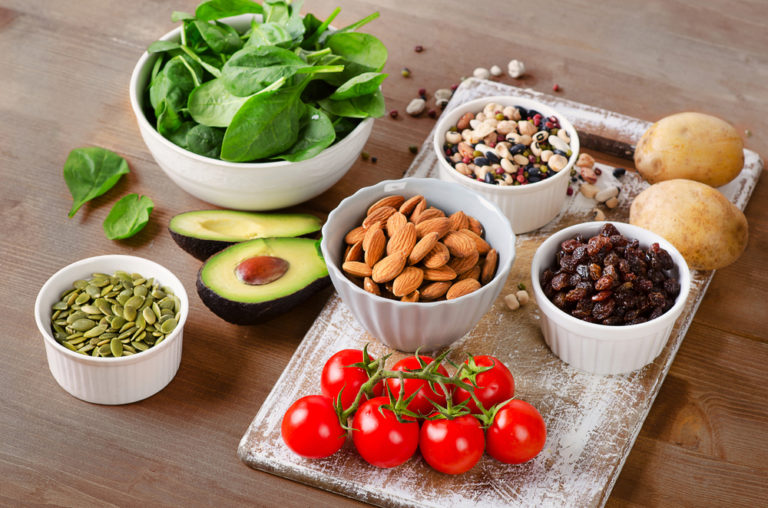
Potassium: The Essential Mineral for a Healthy Diet
When it comes to maintaining a healthy diet, one mineral that should not be overlooked is potassium. Potassium plays an important role in the body’s overall health and can be found in a variety of foods.
The first thing to know about potassium is its function in the body. This essential mineral helps regulate fluid balance, muscle contractions, and nerve signals. It also helps maintain healthy blood pressure levels and supports proper heart function.
A lack of potassium can lead to several health issues such as weakness, fatigue, cramping, constipation, and even irregular heartbeat or heart failure. Fortunately, there are many ways to add more potassium-rich foods into your diet.
One great source of potassium is bananas. A medium-sized banana contains around 400-450 mg of this vital nutrient. Other fruits like oranges, cantaloupe melons, apricots, kiwi fruit are also rich sources of potassium.
Vegetables are another excellent source of dietary potassium. Dark leafy greens like spinach or kale contain up to 800mg per serving along with other nutrients like calcium and iron that help support bone health and oxygen transport within the body system.
Other vegetables high in potassium include sweet potatoes (around 500mg per serving), avocados (more than 1000mg per avocado!), mushrooms (over 200mg per cup), squash varieties such as butternut squash has approximately 448 mg per serving size while acorn squash has around 700 mg/serving size.
Legumes such as beans and lentils are also great sources of potassium with black beans containing over 600mg per half-cup serving size while chickpeas have about 280 mg/cup; kidney beans have an impressive amount at almost double -1200mg/cup!
Even dairy products like milk and yogurt provide good amounts of this critical nutrient – just one cup provides around 400mg of potassium. Add in a handful of nuts (almonds, pistachios, cashews) or seeds such as pumpkin or sunflower to increase the nutrient content even further.
When it comes to maintaining a healthy diet, potassium-rich foods should be part of your daily routine. With so many options available, there’s no excuse not to incorporate these essential nutrients into your meals and snacks. Keep in mind that too much potassium can also have adverse effects on the body; thus, one should not exceed 3500-4700 mg per day. Consult with a healthcare professional if you are concerned about meeting your dietary requirements for this mineral.

Leave a Reply