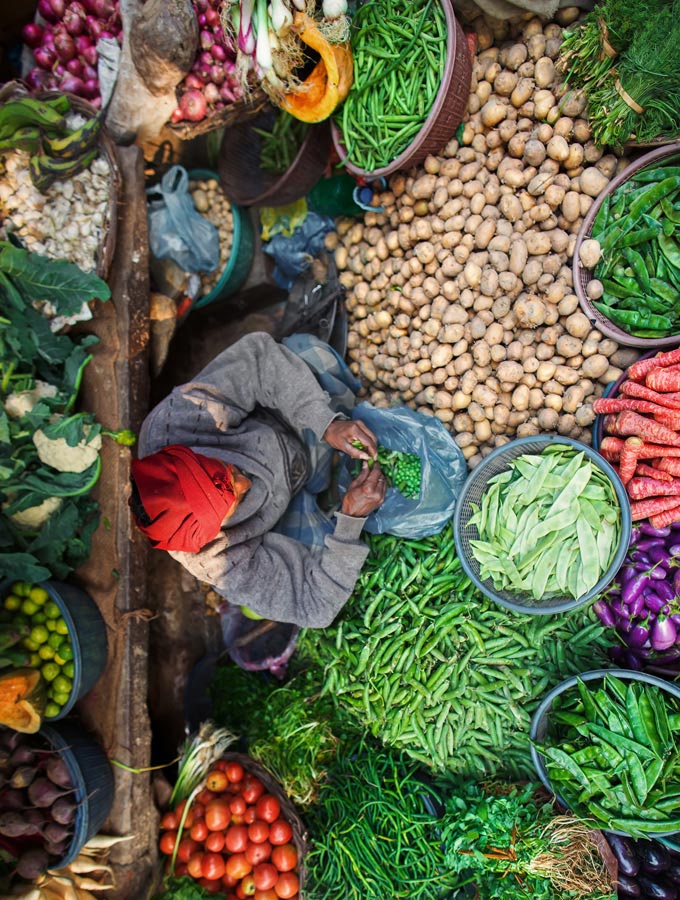
Vegetarianism and Cultural Appropriation: A Deep-Dive Analysis
As more people around the world adopt vegetarianism as a way of life, cultural appropriation is becoming an increasingly important issue to consider. The question arises whether adopting a vegetarian diet from another culture can be considered cultural appropriation or not.
On one hand, vegetarianism has been practiced in many cultures for centuries, including Hinduism, Buddhism, Jainism and some sects of Christianity. In these cultures, vegetarianism is rooted in religious beliefs or ethical principles that go beyond just food choices. For example, Hindus believe in ahimsa (non-violence) towards all living beings and this includes animals. Therefore, being a vegetarian is not just about eating plant-based foods but it also reflects on how they live their lives.
On the other hand, when people from Western cultures adopt vegetarianism without acknowledging its roots in Eastern religions and philosophies or appropriating aspects of those traditions without deeper understanding can be seen as problematic. It is essential to recognize and honor the origins of these practices rather than treating them like trendy fads.
Another aspect to consider while discussing cultural appropriation within the context of vegetarianism is how certain foods are marketed with exotic or foreign names that have no relation to their actual origin or history. For instance, dishes such as “curry” which originated in India are often sold under different names by Western restaurants without any regard for their roots.
Moreover, there is also a risk of perpetuating stereotypes through misrepresentation of certain cuisines. For example – labeling all Indian cuisine as “vegetarian”, even though meat dishes are prevalent too can contribute significantly to generalization.
In conclusion, while it’s essential to celebrate the growing popularity of adopting plant-based diets across various communities worldwide; it’s equally important to acknowledge its historical relevance and respect where it came from rather than reducing it down into something “trendy”. Ensuring diversity within food systems is all about acknowledging our differences and celebrating them rather than ignoring or appropriating them.

Leave a Reply