Low-Carb High-Fiber Foods: A Guide to Healthy Eating
Healthy eating is essential for a healthy life. With the growing awareness of the importance of a balanced diet, people are always looking for ways to improve their health and well-being. The low-carb high-fiber diet is one such approach that has gained popularity in recent years.
A low-carb high-fiber diet involves reducing your carbohydrate intake while increasing your fiber intake. This type of diet can have many benefits, including weight loss, improved blood sugar levels, and better digestion.
In this guide, we will explore some of the best low-carb high-fiber foods that you can include in your daily meals.
1. Avocado
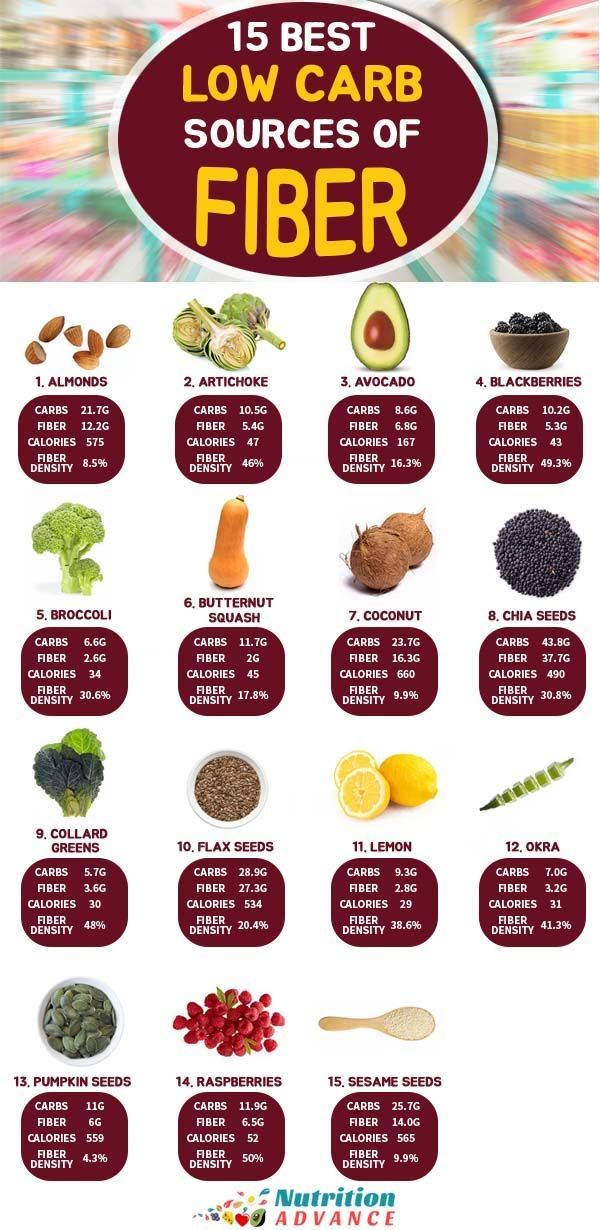
Avocados are an excellent source of healthy fats and fiber. They contain about 9 grams of carbohydrates per serving but are also rich in dietary fiber with approximately 7 grams per serving. Additionally, avocados are packed with vitamins C, E, K, and B6.
2. Broccoli
Broccoli is a nutritious vegetable that contains only 4 grams of carbohydrates per cup but provides up to 3 grams of dietary fiber as well as vitamin C and K nutrients that support collagen synthesis and bone health respectively.
3. Cauliflower
Cauliflower is another cruciferous vegetable like broccoli that provides ample amounts of fiber while being relatively low in carbs- with just 5g net carbs per cupful! It’s also chock-full-of antioxidants such as vitamin C which may help reduce inflammation throughout our body systems.
4. Chia Seeds
Chia seeds are tiny black seeds packed with soluble fiber which helps digestive processes by keeping us fuller for longer periods after consumption; additionally they’re known for being rich in omega-3s which supports heart health among other bodily functions- these superfoods can be added to smoothies or sprinkled on top yogurt/oatmeal regularly!
5. Flaxseeds
Flaxseeds are another great source of fiber, containing up to 3 grams per tablespoon. They’re also rich in omega-3s and can be added to smoothies, oatmeal, or baked goods.
6. Berries
Berries are a great low-carb high-fiber fruit option with many benefits such as antioxidants (which help reduce inflammation due to free radicals), vitamins C & K which promote healthy skin and bone formation respectively. Raspberries have the highest amount of fiber among berries with about 8g per cup while strawberries only contain 2g net carbs per serving.
7. Broth-Based Soups
Broth-based soups like chicken noodle soup are an excellent low-carb high-fiber meal option that is easy on the stomach and fills us up without weighing us down too much. Soups made with vegetable broth instead of meat stock tend to be even lower carb-wise!
8. Nuts
Nuts like almonds, walnuts, pecans provide a delicious snack that’s packed full of nutrients including fiber – they’re perfect for people who need something quick yet satisfying between meals! One ounce (28 grams) of almonds contains approximately 14g fat but just over 2 g net carbs making them ideal for those following low-carb diets.
9. Green Leafy Vegetables
Green leafy vegetables like spinach and kale are some of the best sources for dietary fiber in whole foods; spinach has about four grams net carbs per one-cup serving while being rich in vitamin A which helps maintain healthy eyesight as well as collagen synthesis throughout our body systems.
10. Hard Boiled Eggs
Hard boiled eggs make an excellent protein-rich snack that’s easily portable and convenient when we’re on-the-go; each egg contains around six grams protein along with essential amino acids necessary for muscle repair/recovery after workouts.
Conclusion:
In conclusion, adding more low-carb high-fiber foods to your diet can have many benefits for your health. These types of foods can help you lose weight, improve blood sugar levels and digestion, and even reduce the risk of certain diseases. By incorporating some of the above-mentioned food options into your meals regularly, you are sure to reap all these benefits while enjoying delicious and healthy eating habits!

Leave a Reply