Chlorella is a single-celled, green freshwater algae that is known for its high nutritional value and potential health benefits. It has been studied extensively for its ability to support immune function, detoxification, and digestion. Chlorella is also a sustainable crop that can be grown commercially with minimal environmental impact.
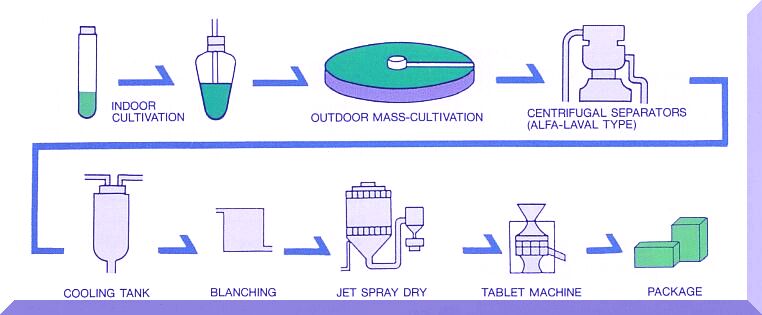
Commercial chlorella production involves several stages, including cultivation, harvesting, drying, and processing. The process begins with the selection of the appropriate strain of chlorella for cultivation. There are hundreds of strains of chlorella available, each with different characteristics such as growth rate and nutrient content.
Once the strain has been selected, it is grown in large-scale ponds or tanks under controlled conditions. These conditions include adequate sunlight exposure, temperature control, pH balance maintenance and nutrient supply optimization (nitrogen and phosphorus). The growth cycles typically last between 10-14 days depending on specific species which allows ample time to accumulate nutrients such as lipids (fats) protein & chlorophyll.
The next stage in commercial chlorella production is harvesting. Once the algae have reached maturity they are harvested by either centrifugation or filtration depending on how dense they are settled at the bottom of your pond/tank . After extraction from water sources , the cells must be washed carefully to remove any excess water or debris before further processing .
After washing comes drying – this step involves removing moisture from the chlorella biomass via lyophilization (freeze-drying), sun-drying or hot-air drying techniques . Freeze-drying produces an excellent quality product but can be costly while sun-drying may expose products to contamination & oxidative damage caused by UV radiation . Hot air drying using low temperatures ensures fast removal of moisture without compromising quality if done correctly
Finally processed into powder form through milling machinery where broken cell walls release valuable constituents like beta-glucans that would have otherwise remained locked up inside their cellular matrix.
Commercially produced chlorella is typically sold as a powder, tablet or capsule. It has a unique, earthy taste that can be somewhat overpowering for some individuals, but the flavor can be masked by adding it to smoothies and other recipes. The shelf life of commercial chlorella varies depending on the processing method used and storage conditions.
One important aspect of commercial chlorella production is its sustainability. Chlorella is an incredibly efficient crop that requires minimal resources to grow. Unlike traditional crops such as corn or wheat, which require large amounts of water, fertilizer, pesticides & herbicides- algae don’t need chemicals to thrive making them ideal for sustainable farming practices.
Additionally , because chlorella can be grown in controlled environments like tanks or ponds – farmers around the world can easily cultivate it regardless of arable land availability . This makes it possible for countries with limited agricultural resources to produce high-quality food products for their populations at low cost .
Chlorella also has significant environmental benefits beyond just being a sustainable crop:
1)Algae are known to absorb CO2 from the atmosphere during photosynthesis which means they help mitigate climate change
2)It’s been shown that Algae cultivation reduces nitrogen and phosphorus pollution in surrounding watersheds.
3)Cultivated algae biomass can even be used as organic fertilizers once processed!
In conclusion , Commercial chlorella production offers many benefits including nutritional value, sustainability & environmental protection benefits . With its high levels of protein (60% dry weight), chlorophyll (a potent antioxidant), vitamins B12 & A along with Omega 3 fatty acids; it’s easy to see why people are so interested in incorporating this superfood into their diets.
However , consumers must understand how much work goes into producing quality products before purchasing them especially when choosing supplements since not all brands deliver quality on promised nutrition profiles . As with anything else you eat or drink – make sure you do your research and choose the right product for you.

Leave a Reply