Nutritional Supplements for Vegans: A Comprehensive Guide
Veganism has become increasingly popular over the years. The reasons behind this trend vary from concerns about animal welfare to health and environmental issues. Regardless of the motivation, veganism requires careful attention to nutrition to maintain a healthy diet. Many essential nutrients that are easily obtained through an omnivorous diet become more difficult to obtain when you eliminate animal products from your meals.
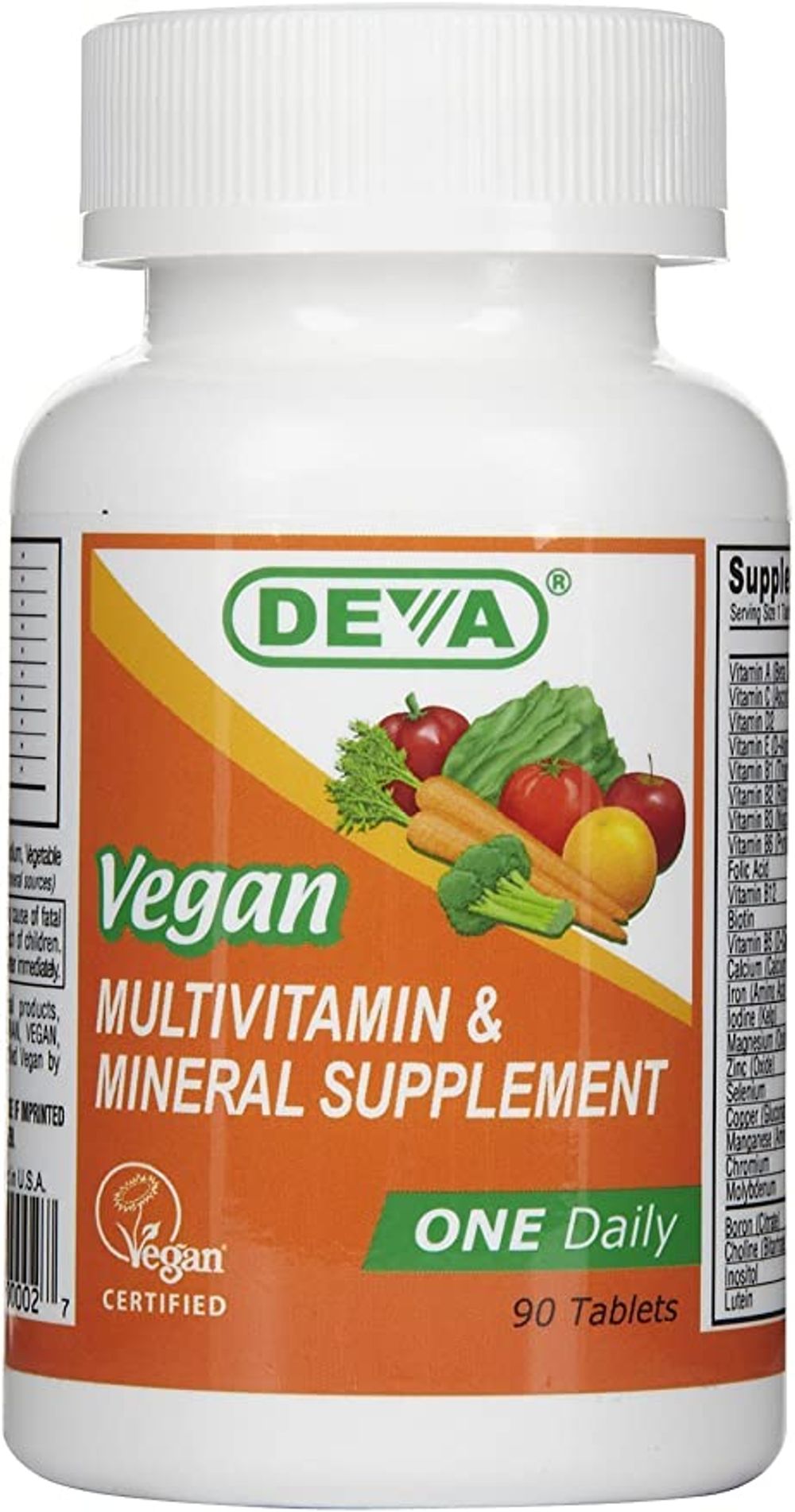
Fortunately, there are many nutritional supplements available that can help vegans meet their nutritional needs. Here is a comprehensive guide on some of the most important supplements for vegans:
1. Vitamin B12
B12 is one of the most important nutrients for vegans because it’s only found in animal products like meat, eggs, and dairy. It plays a vital role in maintaining a healthy nervous system and producing red blood cells. B12 deficiency can lead to serious health problems like anemia and nerve damage.
Vegans should take vitamin B12 supplements regularly or consume foods fortified with B12 like plant-based milk or breakfast cereals.
2. Omega-3 Fatty Acids
Omega-3 fatty acids play an essential role in maintaining heart health by reducing inflammation in the body and improving cholesterol levels. While these fats are typically found in fish, vegans can get them from algae-based supplements.
3. Iron
Iron is crucial for carrying oxygen throughout your body, but it’s often lacking in vegan diets since it’s primarily found in red meat sources such as beef and pork liver or shellfish like clams or oysters.
To avoid iron deficiency, vegans should eat plenty of leafy greens (like kale and spinach) along with iron-fortified cereals but also consider taking an iron supplement after consulting their doctor if needed.
4.Calcium
Calcium is necessary for strong bones; however, many people associate calcium with dairy products alone which makes it challenging for vegans who don’t consume any dairy. Fortunately, many plant-based foods like tofu, almonds, and leafy greens are rich in calcium but taking a supplement can also help meet the daily needs.
5.Vitamin D
Vitamin D is essential for bone health and helps the body absorb calcium. However, this vitamin is primarily found in animal products or synthesized through exposure to sunlight.
Vegans who live in areas with limited sun exposure should consider taking Vitamin D supplements.
6.Zinc
Zinc plays a vital role in maintaining healthy immune function as well as wound healing; it’s typically found in meat and seafood sources. Vegans can get their zinc from legumes (like chickpeas), nuts (such as cashews) or fortified cereals.
It may be necessary to take a supplement if you’re not getting enough zinc from your diet alone.
7.Iodine
Iodine is crucial for thyroid function; however, it’s often lacking in vegan diets since it’s most commonly obtained from iodized salt (which vegans tend to avoid). Seaweed and algae are excellent sources of iodine suitable for those following a vegan diet but keep an eye on serving sizes – excessive amounts can be harmful.
In conclusion, when switching to a vegan lifestyle, it’s essential to focus on proper nutrition especially because some nutrients that are abundant in animal products may be hard to obtain solely from plant-based foods. Nutritional supplements offer an effective way of meeting these nutrient requirements while following specific dietary preferences. Consultation with healthcare professionals before beginning any supplementation regime is important especially if you have underlying medical conditions or allergies that could affect supplementation choices.

Leave a Reply